

Millets (Jowar, Bajra, Ragi)
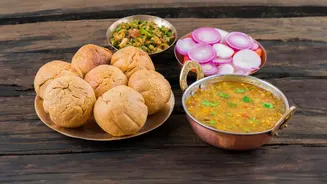
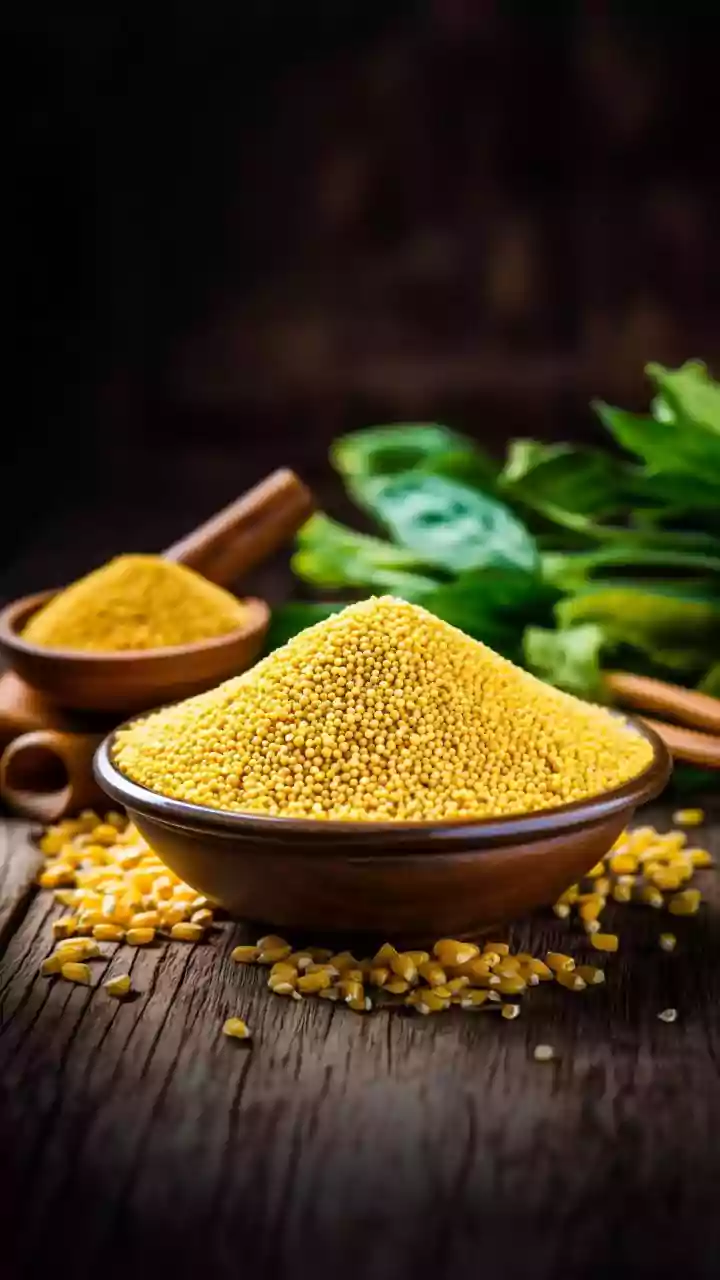
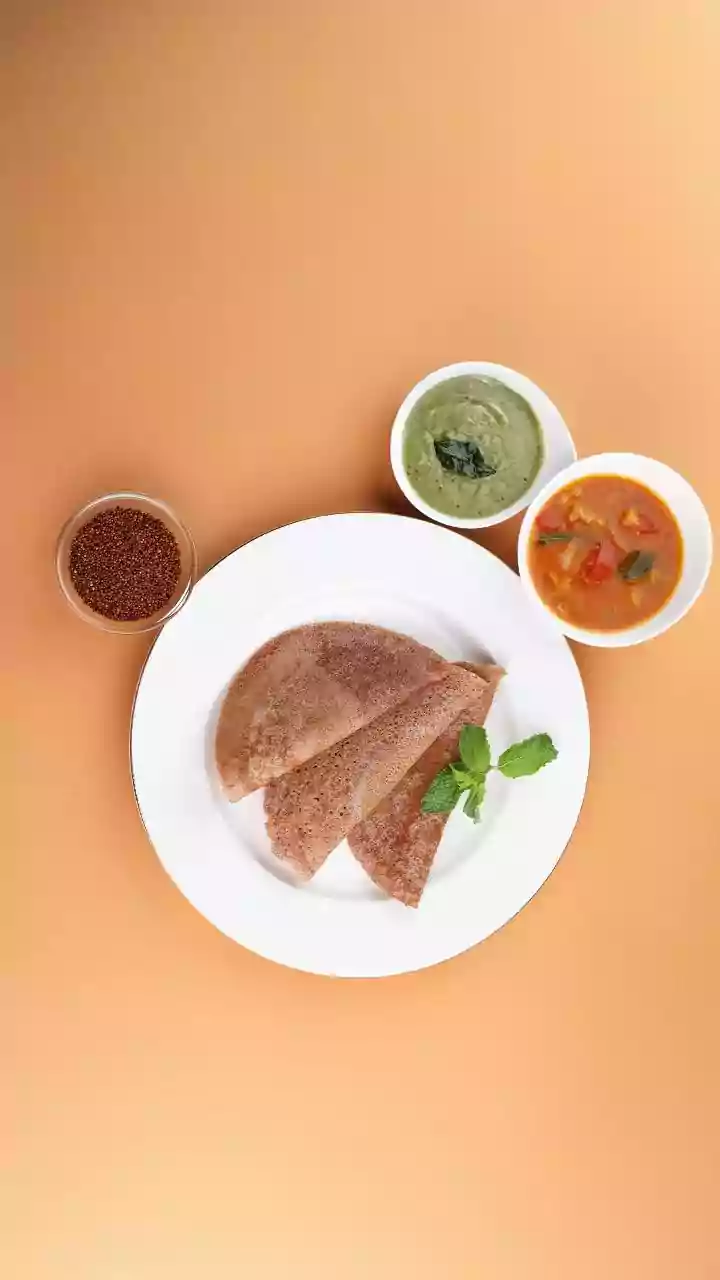
Once staple grains across India, millets like jowar, bajra, and ragi were sidelined by the push for wheat and rice. Now, these nutritional powerhouses are making a triumphant return. Celebrated for being gluten-free, rich in fibre, and packed with essential
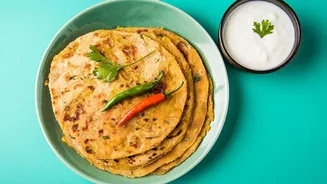
minerals, millets are incredibly versatile. Chefs are using them in everything from trendy cafe salads and breakfast bowls to traditional rotis and porridges. Retail shelves are now stocked with millet flours, breakfast cereals, and snacks, making it easier than ever for home cooks to reintroduce these climate-resilient grains into their daily meals.
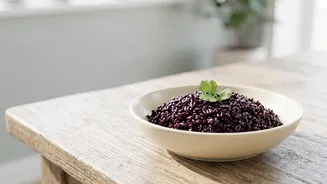
Black Rice (Chak-Hao)
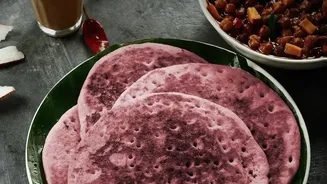
Traditionally known as Chak-Hao in Manipur, this visually stunning black rice was once reserved for royalty and special feasts. Today, it’s gaining global recognition as a superfood thanks to its high antioxidant content, nutty flavour, and numerous health benefits. After receiving a GI tag in 2020, Manipuri black rice has seen a surge in demand, moving from a regional secret to a prized ingredient in gourmet restaurants and health food stores across the country and even in export markets. It’s now used to make everything from kheer and puddings to wholesome main courses, bringing its unique texture and deep purple hue to the modern Indian plate.
Raw Jackfruit (Kathal)
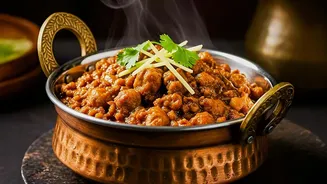
Long before it became a global vegan sensation, raw jackfruit, or 'kathal', was a beloved staple in many parts of India. Its fibrous, meat-like texture makes it a perfect vegetarian alternative in hearty dishes. For years, it was primarily a home-cooked vegetable, but now it’s having a major moment in restaurants. You can find it starring in Kathal Biryani as a delicious stand-in for mutton, minced for flavourful kebabs, and simmered in rich curries from Uttar Pradesh to West Bengal. Its ability to soak up spices makes it a versatile favourite for chefs rediscovering traditional plant-based preparations.
Moringa (Drumstick Leaves)
While the drumstick vegetable is common, its leaves (moringa) were often overlooked in mainstream urban cooking despite being a nutritional goldmine. Traditionally used in South Indian and Ayurvedic preparations for generations, moringa is now being hailed globally as a superfood. This has sparked a revival back home. The leaves are packed with vitamins, iron, and antioxidants, and possess a slightly earthy taste. Once just a backyard green, moringa powder is now sold as a wellness supplement, while chefs are creatively incorporating the fresh leaves into dals, stews, and even savoury pancakes like adai.
Kashmiri Haak (Collard Greens)
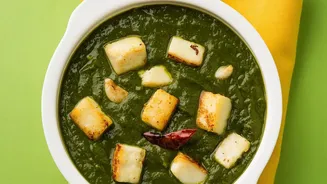
A simple, soulful dish, Haak is a quintessential part of Kashmiri cuisine. Made with collard greens, it is known for its light, soupy texture and is typically cooked in mustard oil with a few gentle spices that let the flavour of the greens shine through. For a long time, this dish remained largely within Kashmiri homes. However, with the growing interest in regional Indian food, Haak is now appearing on the menus of speciality Kashmiri restaurants in major cities, introducing diners to the subtle, comforting flavours of the valley.
Fermented Foods (Gundruk & Sinki)
Gundruk (fermented leafy greens) and Sinki (fermented radish taproot) are traditional foods from the Himalayan regions of India, particularly Sikkim, and also Nepal. These foods were developed as a way to preserve vegetables through the harsh winter months. While they have been staples in local communities for centuries, they are now gaining wider attention for their complex, tangy flavours and probiotic benefits. Food enthusiasts and chefs exploring indigenous culinary practices are introducing these unique ferments to a broader audience through pickles, soups, and as a powerful flavouring agent, celebrating the resourcefulness of Himalayan cuisine.
Heirloom Grains and Flours
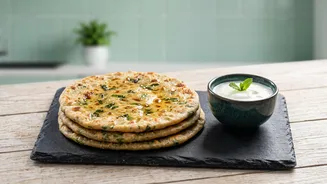
Beyond the mainstream, a quiet revolution is underway to revive heritage wheat varieties like Khapli (emmer wheat) and other traditional grains. These ancient grains were once common but were replaced by modern, high-yield varieties. Now, they are being sought after for their lower gluten content, richer fibre, and distinct, nutty flavours. Small-scale producers and dedicated brands are bringing back stone-milled flours from these grains. This revival is being embraced by home cooks and bakeries looking for more wholesome and flavourful alternatives to conventional flour for making everything from rotis to artisanal breads.