




The Art of Colour-Blocking
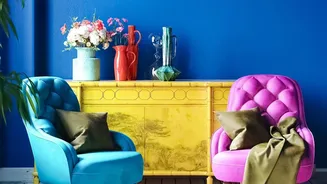
Colour-blocking is an interior design trend that involves using distinct, solid blocks of colour next to each other to create a striking visual impact. Instead of relying on patterns or intricate prints, this technique uses the deliberate placement of bold
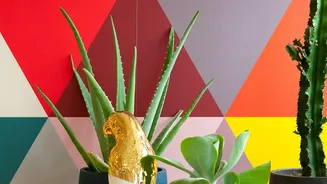
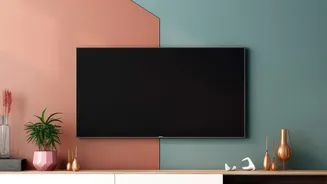
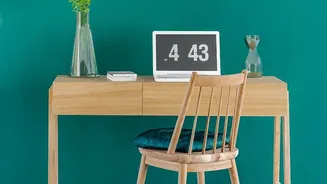
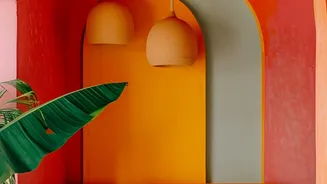
hues to define a space and guide the eye. Think of a single, dramatic accent wall, a brightly coloured headboard against a neutral wall, or geometric shapes painted directly onto a surface. The goal is to create structure and a sense of composition using colour itself. While it sounds simple, the effect is powerful, turning a plain wall into a purposeful piece of modern art that feels both intentional and full of energy.
Enter Removable Panels
This is where the magic happens for anyone who loves to decorate but fears commitment, especially renters. Removable panels are decorative surfaces that can be attached to a wall without permanent fixtures like nails or strong glue. These can range from lightweight, fabric-wrapped frames and peel-and-stick wood slats to decorative PVC or foam tiles. Their key feature is that they can be installed and, more importantly, removed cleanly without damaging the wall underneath. This innovation liberates colour-blocking from the paintbrush, allowing you to create the same bold, geometric effects using modular, damage-free pieces. You get the high-impact look of a custom paint job with the flexibility to change your mind whenever you please.
The Context is Flexibility
The most important context that removable panels add to colour-blocking is freedom. For many living in rental accommodations across India, painting walls is simply not an option. Removable panels provide a landlord-approved way to personalise a space. Beyond the rental market, they cater to our evolving tastes. A colour palette you love today might not fit your style in two years. With panels, you can swap out colours seasonally or whenever you feel the need for a refresh without the hassle of sanding and repainting. This adaptability makes bold design choices less intimidating. You can experiment with that vibrant ochre or deep teal you’ve been eyeing, knowing it’s not a lifelong decision. It transforms your wall from a static surface into a dynamic canvas.
Beyond Colour: Adding Texture and Depth
Another layer of context that panels provide is texture and dimension. While a painted colour block is flat, panels can introduce a three-dimensional quality to your wall. Imagine panels covered in linen, raw silk, or jute, bringing a tactile warmth that paint cannot replicate. Wood-grain panels can add a rustic or sophisticated touch, while fluted or 3D geometric panels play with light and shadow to create architectural interest. These panels stand slightly off the wall, creating a subtle depth that makes the entire composition more dynamic and visually engaging. This elevates the concept from just colour to a multi-sensory design feature.
Choosing Your Colour Story
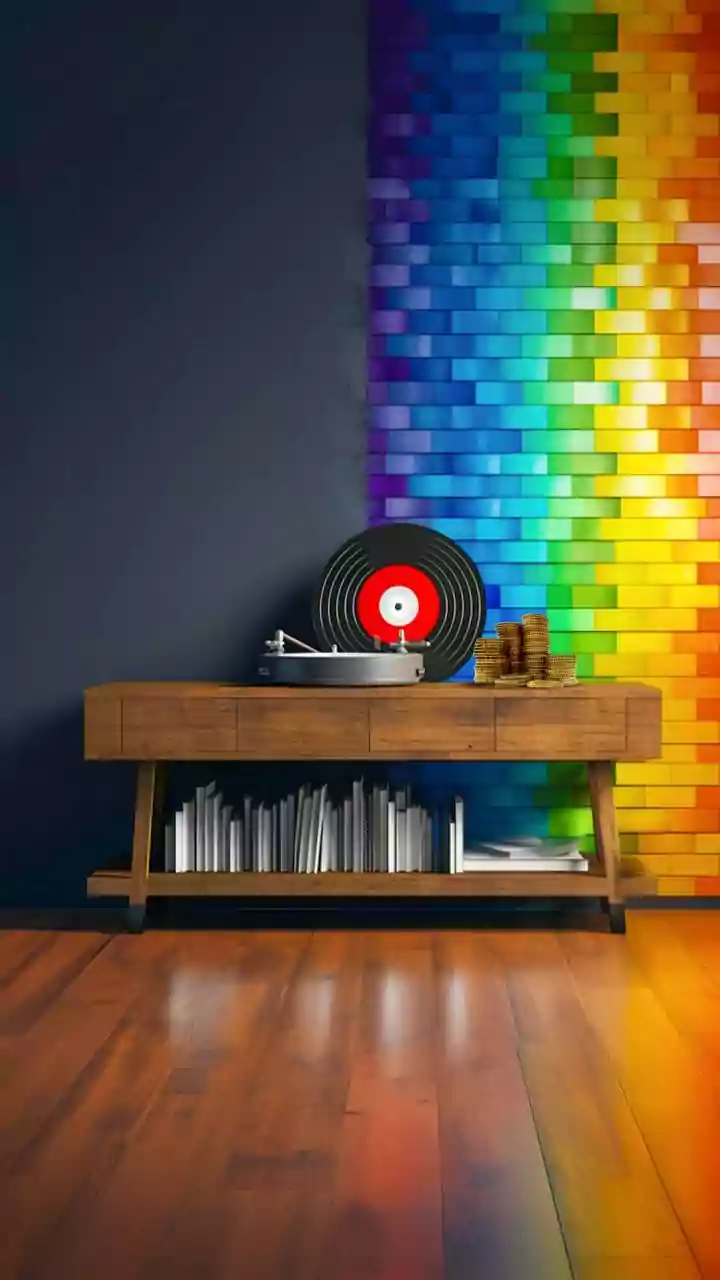
Getting started with colour-blocking feels more approachable when you have a plan. A good starting point is to consider the existing colours in your room, including furniture, textiles, and flooring. You can choose colours that complement this palette for a harmonious look or opt for contrasting shades to create a bold focal point. The 60-30-10 rule is a helpful guideline: 60% of your room is a dominant colour (like your walls), 30% is a secondary colour (furniture, curtains), and 10% is an accent colour. Your panels can serve as that powerful 10% pop. Don’t be afraid to use a colour wheel for inspiration, pairing opposites like blue and orange for high drama, or adjacent colours like blues and greens for a calmer, analogous scheme.
Practical Placement Ideas
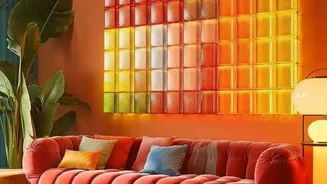
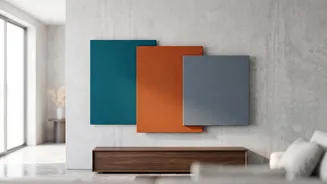
The versatility of removable panels means you can get creative with placement. A large, single-coloured panel or a triptych of three complementary panels can create a stunning, cost-effective headboard in a bedroom. In a living room, arrange a series of panels behind the sofa to anchor the space and create a focal point. An entryway or a dull hallway can be instantly revitalised with a vertical stack of colourful panels. You can also use them to define a specific zone in an open-plan home, such as a work-from-home corner or a reading nook. By thinking of these panels as modular art, you can arrange and rearrange them until the scale and proportion feel just right for your space.