







The Scale of Ambition
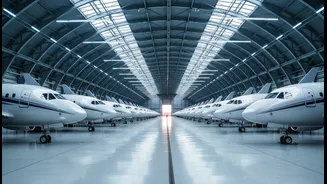
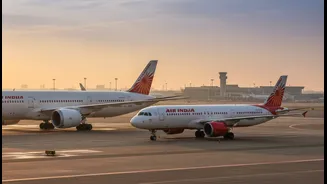
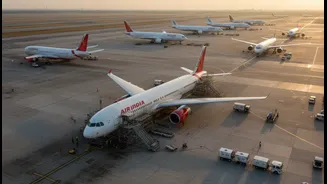
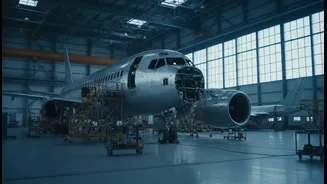
The numbers themselves are breathtaking. In early 2023, Air India, under its new owner the Tata Group, placed a firm order for 470 aircraft—250 from Airbus and 220 from Boeing—with options for more. Subsequent additions and conversions have pushed the total
order book to nearly 600 planes. This historic deal includes a mix of narrow-body jets like the Airbus A320neo family and Boeing 737 MAX, designed for domestic and short-haul routes, and wide-body aircraft like the A350 and Boeing 787 Dreamliner for long-haul international flights. This isn't just about replacing an aging fleet; it's a declaration of intent to dramatically expand the airline's network and capacity, putting it on a path to become one of the world's most modern and efficient carriers.
More Than Just New Planes
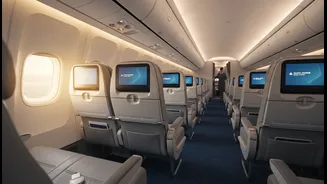
This massive fleet expansion is the most visible part of a comprehensive, five-year transformation plan named 'Vihaan.AI', Sanskrit for the dawn of a new era. Launched in September 2022, the plan is built on five pillars: exceptional customer experience, robust operations, industry-best talent, market leadership, and profitability. The strategy involves a complete overhaul of the airline, from refurbishing existing cabins with a $400 million investment to a $200 million upgrade of its IT systems. The goal is to shed the legacy issues of its past and build a world-class airline with an Indian heart, aiming to capture at least a 30% share of the domestic market and significantly grow its international footprint.
Reclaiming Indian Skies
For years, a significant portion of India's international air traffic has been carried by foreign airlines, particularly Gulf carriers like Emirates and Qatar Airways, which use their hubs in Dubai and Doha to connect Indian travellers to the world. Air India's strategy is a direct challenge to this model. By inducting new, fuel-efficient, long-range aircraft like the Airbus A350, Air India can offer more non-stop flights from Indian cities to destinations in North America, Europe, and Australia. This, combined with the merger of Vistara into Air India and the consolidation of its low-cost arms, creates a powerful, integrated airline group capable of competing head-on for both premium and budget-conscious travellers at home and abroad.
The People Power Challenge
An airline is more than its aircraft, and this rapid expansion creates a monumental human resources challenge. To fly and maintain a fleet growing by 50-60 aircraft annually requires a massive and continuous influx of skilled personnel. Air India is on a hiring spree for thousands of pilots, cabin crew, engineers, and ground staff. The airline has launched extensive recruitment drives and trainee programs for pilots and cabin crew to build a pipeline of talent. Successfully managing this large-scale recruitment and training is as critical to the success of Vihaan.AI as the aircraft deliveries themselves. The airline’s ability to cultivate a new service culture will determine if the passenger experience truly matches the ambition of the new fleet.
Turbulence on the Horizon
The path to transformation is not without its hurdles. Global supply chain issues have already caused delays in aircraft deliveries for airlines worldwide, a headwind Air India has acknowledged. Geopolitical tensions and volatile fuel prices have also impacted operations, forcing temporary network adjustments in mid-2026. Furthermore, intense competition from domestic leader IndiGo and established international players will not ease. While executives insist the transformation is on track, they concede that some timelines may be extended due to these external pressures. Successfully navigating these challenges while integrating a complex merger and managing massive financial outlays will be the ultimate test of the Tata Group's turnaround strategy.