








The High Cost of Waiting
A recent report from the UN Environment Programme (UNEP) and the Climate and Clean Air Coalition (CCAC) puts a number on inaction. Titled 'Hidden Assets: The Economic and Health Case for Climate and Clean Air Action', the report makes a clear-cut case:
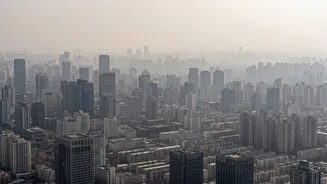
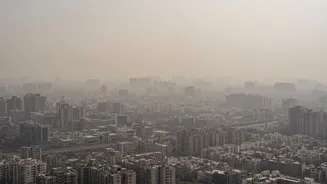
delaying clean air measures is a losing game. The central finding for Delhi is a powerful projection. If the city meets its national air quality standards on schedule from 2026, it could reduce its cumulative PM2.5 exposure burden by a significant 20% by 2040. However, an eight-year delay—which the report notes is a likely global average—would slash that benefit in half, to just a 10% reduction. This isn't just about statistics; it translates to a much greater health crisis for millions.
It's Not Just One Villain
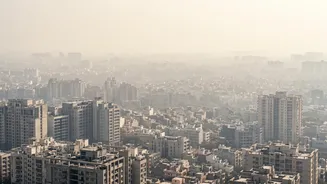
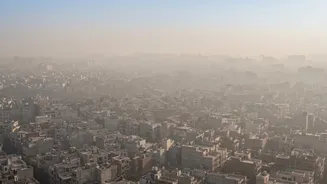
While winter stubble burning often grabs headlines, UN-backed assessments consistently point to a complex web of pollution sources that plague Delhi year-round. The evidence confirms that there is no single culprit. Major contributors include vehicular emissions, industrial activity, coal-fired power plants, construction dust, and the open burning of waste. Household air pollution from cooking and heating also plays a significant role. A 2018 Ministry of Earth Sciences paper attributed 41% of Delhi's air pollution to vehicles, 21.5% to dust, and 18% to industries, highlighting the urban core of the problem. The UNEP report stresses that tackling this requires a multi-pronged approach, not a seasonal blame game.
A Documented Health Emergency
The evidence linking Delhi's air to severe health problems is overwhelming and long-standing. UN agencies like the World Health Organization (WHO) estimate that air pollution causes about 7 million premature deaths globally each year, with India bearing a massive burden. For Delhi, the reality is stark. Studies have found that living in the city leads to a significantly higher prevalence of respiratory symptoms, asthma, and reduced lung function compared to rural areas. Poor air quality in Delhi has been found to have irreversibly damaged the lungs of over 2.2 million children. The latest UNEP assessment connects PM2.5 and ozone pollution to millions of new cases of childhood asthma and dementia worldwide, reinforcing the severe risk to vulnerable populations in high-pollution zones like Delhi.
A 25-Point Action Plan
The report is not just a list of problems; it is a roadmap for solutions. It identifies 25 specific, feasible measures that can simultaneously address air pollution and climate change. These include a rapid transition to renewable energy, improving energy efficiency, promoting clean cooking and heating solutions, and enforcing stricter vehicle emission standards. Other key recommendations involve better management of livestock and manure, more efficient fertiliser use, finding alternatives to crop residue burning, and better solid and wastewater management. For Delhi, this means accelerating the shift to electric vehicles, expanding public transport, and ensuring industrial polluters either switch to cleaner fuels or are shut down. The evidence supports a complete system overhaul, not just temporary fixes like anti-smog guns.
The Return on Investment
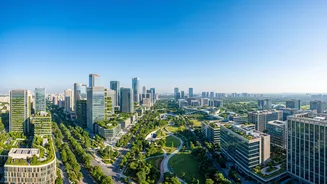
Perhaps the most compelling argument in the UN report is economic. It frames clean air action not as a cost, but as a high-return investment. The report calculates that every US$1 invested in these combined actions could yield around US$15 in economic benefits. These gains come from reduced healthcare costs, increased worker productivity, and avoided market damages. For South Asia, implementing these solutions could avoid damages equivalent to 10% of the region's GDP. Conversely, each year of delay is incredibly expensive, forgoing more than $1.5 trillion in global value. The message is clear: cleaning Delhi's air is not only a health imperative but a massive economic opportunity waiting to be unlocked.