



A Once-in-a-Generation Spectacle
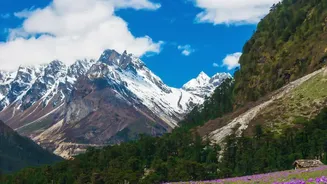
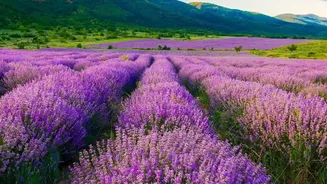
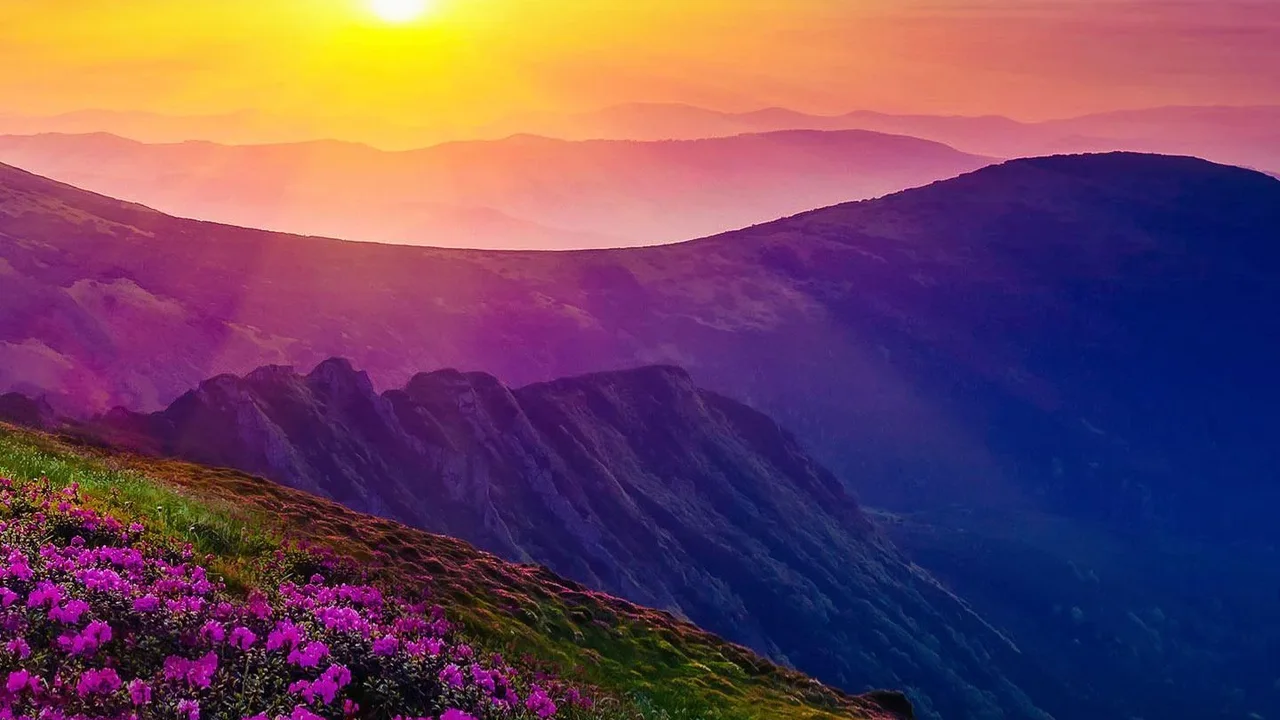
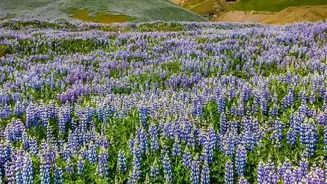
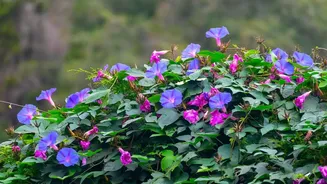
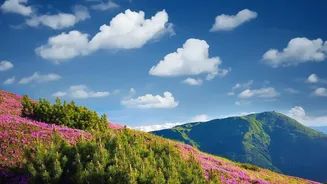
Imagine entire mountainsides awash in a sea of purplish-blue flowers, a sight so vast it redefines the landscape. This is the magic of the Neelakurinji, or Strobilanthes kunthiana, a shrub that follows a remarkably synchronized and lengthy life cycle.
Unlike annual flowers, these plants bloom gregariously, meaning entire populations burst into flower at the same time before setting seed and dying. This year's major bloom is concentrated around the hills of Chokramudi and Mattupetty near Munnar, which last saw this event in 2014. Beginning in August and expected to peak through September and October, the phenomenon offers a brief window to witness one of nature's most breathtaking displays.
Nature’s Intricate Clockwork
The rarity of the Neelakurinji spectacle is rooted in its 12-year flowering cycle. This long interval, known as plietesial flowering, is a survival strategy. By blooming all at once, the plants maximize their chances of pollination and overwhelm seed predators. After this brief, glorious bloom, the plants produce the seeds for the next generation and wither away, not to be seen again for another 12 years. This makes each bloom a significant event; missing it means waiting until around 2038 for this specific population to flower again. It's important to note that different populations of Neelakurinji in the Western Ghats operate on different clocks. The famed bloom in Eravikulam National Park, for example, occurred in 2018 and is not expected again until 2030.
More Than Just a Pretty Flower
The significance of Neelakurinji extends deep into the local culture and ecology. For generations, the indigenous Paliyan and Muthuvan communities have used the blooming cycle to calculate their age and mark significant life events. The flower's name itself is tied to the landscape, with many believing the Nilgiri Hills, or 'Blue Mountains', were named for the hue they take on during a mass bloom. Ecologically, the flowers provide a crucial, abundant source of nectar for native bees and butterflies, leading to a unique 'Kurinji honey' harvested during these seasons. The plant is a cornerstone of the fragile high-altitude shola grassland ecosystem, a habitat that is itself under threat.
The Challenge of Growing Attention
This year, the attention on the bloom is intensifying for several reasons. With an estimated eight lakh visitors expected, authorities in Idukki district are making extensive preparations. This includes managing traffic with special KSRTC bus services, implementing online booking systems to regulate entry, and setting visitor fees to fund conservation. The Chokramudi viewing area, officially opened on August 24, is a focal point for these efforts. However, this surge in interest is a double-edged sword. The influx of tourists puts immense pressure on the fragile ecosystem. Reports from past blooms and even the current one highlight issues like visitors trampling plants, plucking flowers, and leaving behind litter.
A Call for Responsible Tourism
The growing awareness of the flower's vulnerability is a key reason for the increased focus. In 2024, Strobilanthes kunthiana was officially added to the IUCN Red List as a threatened species, highlighting the dangers of habitat loss from plantations and development. In response, conservation efforts are more prominent than ever. Authorities have established protected areas like the Kurinjimala Sanctuary, created in 2006 to safeguard the flower's core habitat. For the 2026 bloom, strict rules are in place: visitors must stay on marked trails, and damaging or plucking the flowers can result in significant fines or even legal action. The message is clear: come and witness the beauty, but do so with respect, ensuring these blue hills can return for generations to come.