






The Soul of Chutney is Freshness
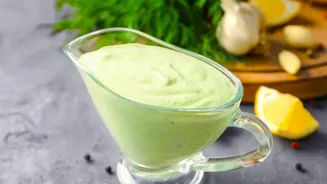
Think of the best green chutney you have ever tasted. What do you remember? It is likely the bright, herbaceous, and almost electric flavour that dances on your tongue. That unforgettable quality does not come from a heavy hand with cumin or chaat masala;
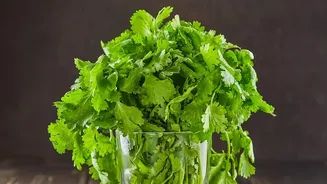
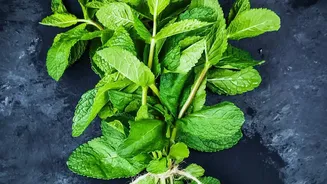
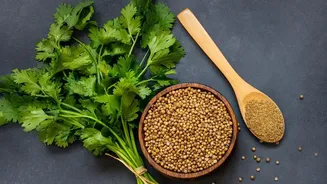
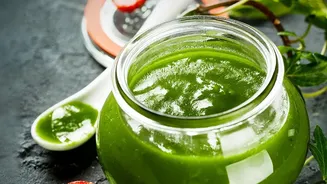
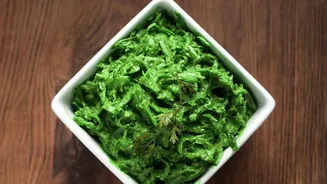
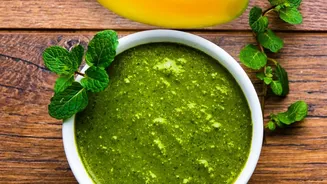
it comes from the soul of the chutney itself: fresh coriander and mint. These herbs are not just ingredients; they are the very essence of what makes green chutney a beloved condiment for everything from samosas to sandwiches. While recipes vary from one home to another, the foundation of a remarkable chutney is always built on the quality and abundance of its fresh greens. The herbs provide the primary flavour profile, the vibrant green colour, and the refreshing aroma that defines this versatile sauce. Spices are there to support and enhance, but the herbs are, and always should be, the stars of the show.
Why Freshness Cannot Be Faked
There is a simple science behind why fresh herbs are irreplaceable. The bright, zesty notes in coriander and the cooling sensation of mint come from volatile aromatic compounds. These compounds are delicate and begin to break down the moment the herbs are harvested, and especially when they are dried. Dried spices, on the other hand, contain more stable compounds, which is why they have a long shelf life. A spice like roasted cumin powder offers a deep, earthy, and nutty aroma, which is wonderful for adding complexity. But it cannot replicate the lively, sharp, and fresh character of just-picked herbs. Using wilted or old herbs will result in a chutney that tastes dull and muddy, no matter how much spice you add to try and save it. The goal is to capture that fleeting, peak freshness in the blender. Some chefs even use ice cubes instead of water while grinding to keep the herbs from 'cooking' from the blender's heat, which helps preserve their vibrant colour and flavour.
The Supporting Role of Spices
This is not to say that spices are unimportant. On the contrary, when used correctly, they are what elevate a good chutney to a great one. Think of it as a musical performance. The fresh herbs are the lead singers, carrying the main melody. The spices—like cumin, chaat masala, black salt, and a hint of sugar—are the backup vocalists and the rhythm section. They provide harmony, depth, and a tangy counterpoint that makes the overall flavour more complex and interesting. Ginger and garlic add a pungent warmth, while green chillies bring a lingering heat that cuts through the richness of fried snacks. The key is balance. The spices should complement the herbs, not overpower them. A chutney that tastes overwhelmingly of chaat masala has lost its way; the goal is a harmonious blend where the freshness of the coriander and mint still shines through brightly.
Tips for Maximum Herb Impact
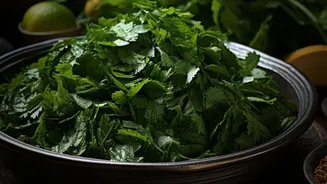
To ensure your chutney is as fresh and flavourful as possible, start with the best ingredients. Choose bunches of coriander and mint that are bright green, crisp, and fragrant. Avoid any that look wilted or have yellowing leaves. When preparing them, many experts suggest using the tender stems of the coriander, as they are packed with flavour, but to discard the thicker, tougher parts which can lend a bitter taste. For mint, it is often best to use just the leaves. The ratio of coriander to mint is a matter of personal taste; a common starting point is two parts coriander to one part mint, but you can adjust this based on your preference. Adding a squeeze of lemon or lime juice at the end not only provides a necessary tangy kick but also helps in preserving the chutney's brilliant green colour by slowing down oxidation.