





The 'Natural' Ingredient Misconception
There's a common belief that if an ingredient is natural and safe to eat, it must be safe to apply to your skin. However, this isn't always true. Many ingredients found in our kitchens, from citrus fruits to spices, can be potent and potentially irritating.
Ingredients like lemon juice and baking soda can disrupt your skin's delicate pH balance, causing irritation, dryness, and even chemical burns with repeated use. Similarly, spices like cinnamon can cause significant irritation for some individuals. Just because a product is 'natural' doesn't mean it's universally gentle or suitable for every skin type; everyone's skin is unique and can react differently.
Understanding the Patch Test
A patch test is a simple procedure to check if your skin will have an adverse reaction to a new product or ingredient before you apply it all over your face. It involves applying a small amount of the substance to a discreet patch of skin to identify potential allergies or irritation. Think of it as a safety check. This quick step helps you avoid widespread redness, itching, or even more severe reactions like contact dermatitis, which is an inflammatory response to an irritant. Taking a day or two to test can save you from days or weeks of discomfort.
How to Perform a Patch Test: A Simple Guide
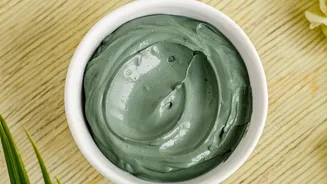
Performing a patch test at home is easy. Follow these steps to ensure your homemade facial is a friend, not a foe, to your skin. First, choose a discreet area of skin, such as behind your ear, on your inner elbow, or along your jawline. Clean and dry the area thoroughly. Apply a small, thin layer of your homemade mixture to this spot. The American Academy of Dermatology recommends leaving the product on for the intended duration, or even repeating the application twice daily for 7 to 10 days to check for delayed reactions. For a face mask, a 24-48 hour observation period is a good rule of thumb. Keep the area dry during this time.
Reading the Results: What to Look For
During and after the test period, keep a close eye on the patch of skin. Signs of an allergic reaction or sensitivity can range from mild to severe. Look for redness, itching, burning sensations, swelling, or the appearance of a rash or small hives. You might also see dry, scaly, or cracked skin. These symptoms can appear within hours or, in some cases, take up to 48 hours to develop. If you experience any of these signs, no matter how mild, you should wash the area immediately with cool water and avoid using the mixture on your face.
When Professional Advice Is Needed
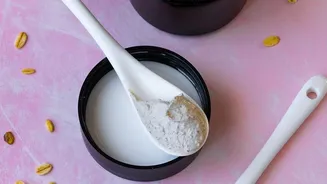
While many homemade masks using ingredients like oatmeal, honey, avocado, and yogurt can be beneficial, it's important to approach DIY skincare with caution. Some ingredients, even natural ones, can be surprisingly harsh. A patch test is your first line of defense, but it’s not a substitute for professional advice. If you have a history of sensitive skin, eczema, or other skin conditions, or if you experience a severe or persistent reaction after a patch test, consulting a dermatologist is always the best course of action. They can help you understand your skin's unique needs and identify specific ingredients you should avoid.