



The Common Chutney Problem
Green chutney, a staple condiment made from fresh herbs like coriander and mint, is beloved for its bright colour and zesty taste. Yet, it often suffers from a frustrating transformation. Within hours, or sometimes minutes, the brilliant green hue can
darken, turning into a murky, brownish shade. This change isn't just cosmetic; it often signals a loss of the fresh, sharp flavours that make the chutney so special. The culprit behind this disappointing change is a natural process that can be easily managed with a little kitchen chemistry.
The Science of Browning
The browning phenomenon is caused by oxidation. The fresh herbs in your chutney, like coriander and mint, are full of an enzyme called polyphenol oxidase (PPO). When you blend or chop these leaves, their cell walls are broken, exposing this enzyme to oxygen in the air. This triggers a chemical reaction that converts the natural phenols in the leaves into brown-coloured compounds, similar to how a sliced apple turns brown. This enzymatic browning is a natural process, but it robs the chutney of its visual appeal and fresh taste.
Lemon Juice to the Rescue
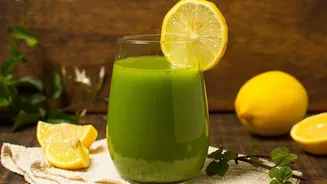
This is where lemon juice works its magic. Lemon juice is a powerful tool against browning for two key reasons. First, it is packed with ascorbic acid, also known as Vitamin C, which is a potent antioxidant. The ascorbic acid essentially sacrifices itself, reacting with oxygen before the browning enzyme gets a chance. Second, lemon juice is highly acidic, with a low pH. The PPO enzyme that causes browning works best in a neutral pH environment and becomes much less effective in the acidic conditions created by the lemon juice. This one-two punch effectively halts the browning process, preserving the chutney's natural green.
Why Timing is Everything
While adding lemon juice during blending can help preserve the chutney, the final, brightening squeeze just before serving is crucial for the most vibrant colour. The green pigment in the herbs is chlorophyll. Over a prolonged period, acid can actually have a different, slower-acting effect on chlorophyll, causing it to degrade and turn an olive-drab colour. By adding that last bit of lemon juice at the end, you get the immediate anti-browning benefits without giving the acid time to dull the chlorophyll. This final splash awakens the flavours, making the chutney taste brighter and zestier right when it hits the table.
Perfecting Your Green Chutney
To make the most of this technique, start with the freshest herbs possible. When blending, some chefs recommend adding a few ice cubes to keep the mixture cold, which also slows down the heat-generating friction from the blades that can accelerate browning. After blending your chutney with ingredients like ginger, garlic, and green chillies, mix in a bit of lemon juice for initial preservation. Store it in an airtight container to minimise air exposure. Then, just before you set it on the table to serve with samosas, chaat, or sandwiches, stir in that final, fresh squeeze of lemon juice for the ultimate pop of colour and flavour.