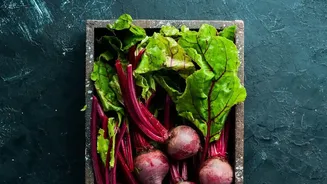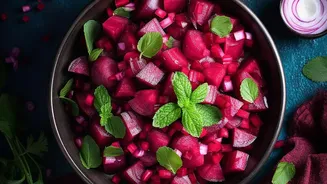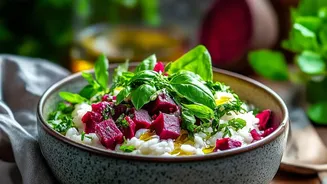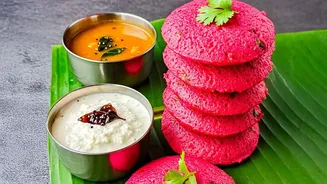




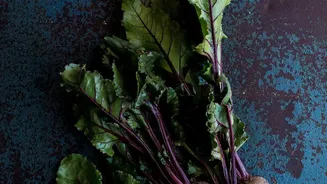
Often relegated to a boiled side dish or pickled in a jar, beetroot is a root vegetable with a vibrant secret. Its earthy sweetness and stunning colour offer a fantastic way to elevate simple, light meals with both visual pop and satisfying texture.
Beyond the Usual Red
When
you think of beetroot, a deep purplish-red likely comes to mind. But the world of beets is far more colourful. Exploring different varieties can add a surprising new dimension to your dishes. Golden beets are milder and sweeter than their red cousins, with a beautiful sunny hue that won't stain everything in sight. Chioggia beets, an Italian heirloom, are a visual treat with their 'candy cane' stripes of pink and white. These are best used raw or lightly cooked, as their stunning pattern can fade with high heat. While standard red beets are delicious and earthy, venturing into these other varieties can make your salads and appetisers truly stand out.
Mastering Texture: Raw vs. Cooked
Beetroot’s texture is wonderfully versatile, changing dramatically depending on preparation. For a crisp, fresh crunch, try using it raw. Grated or spiralised raw beetroot is a fantastic addition to salads and slaws, lending a firm bite and vibrant colour. If you're using young, organic beets, you can simply scrub them well and leave the nutrient-rich skin on. Cooking, on the other hand, brings out beetroot's natural sweetness and creates a tender, yielding texture. Roasting is a popular method that concentrates the flavour beautifully. Simply wrap whole, unpeeled beets in foil and bake until fork-tender. Boiling or steaming are also great options, and once cooked, the skins slide off easily under cool water.
Elevating Salads and Sides
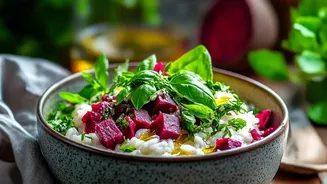
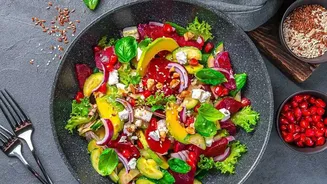
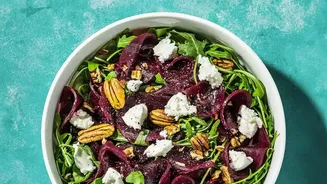
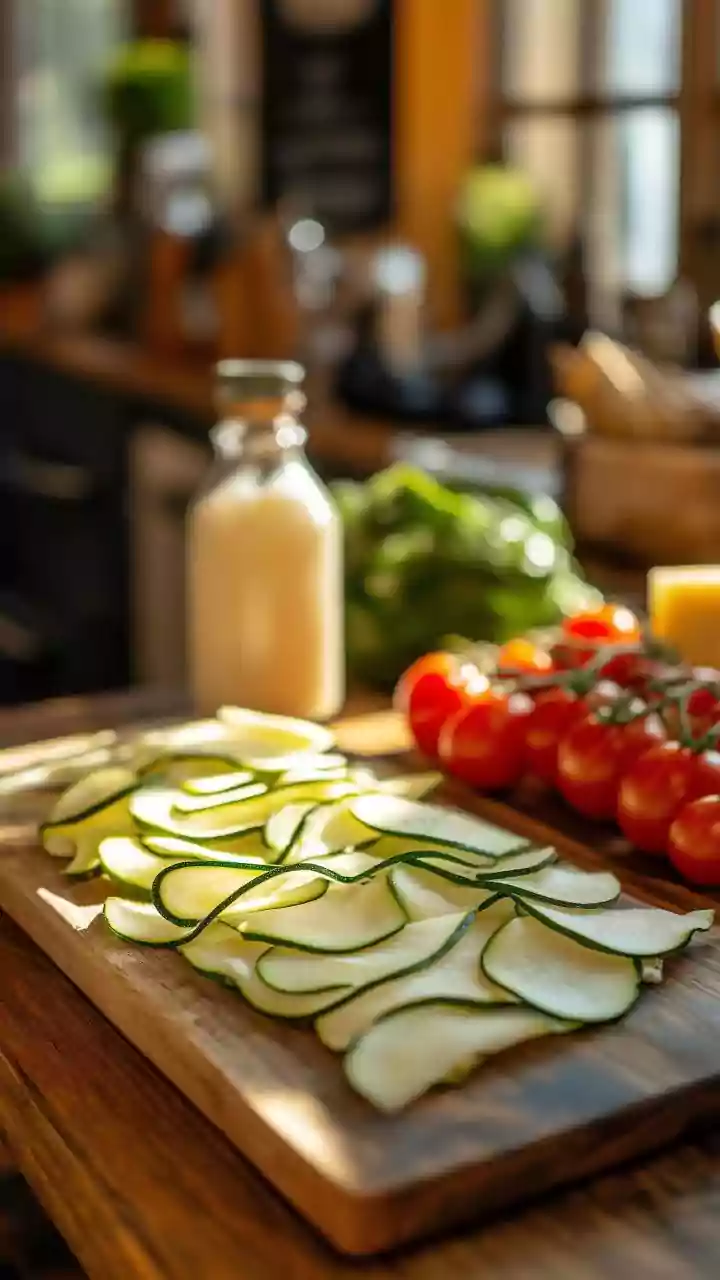
Beetroot can transform a simple salad from mundane to magnificent. For a classic pairing, combine roasted beetroot chunks with crumbled feta or goat cheese, toasted walnuts, and fresh mint. A simple balsamic vinaigrette complements the earthy sweetness perfectly. To prevent the colour from bleeding and turning your entire salad pink, you can toss the beetroot separately in a little dressing before folding it into the other ingredients just before serving. For a lighter side dish, try a beetroot carpaccio: shave raw beets thinly using a mandoline and arrange them on a plate. Drizzle with good quality olive oil, a squeeze of lemon or orange juice, and a sprinkle of salt and herbs.
Vibrant Soups and Dips
Beyond salads, beetroot is a star ingredient for creating stunningly colourful soups and dips. The most famous example is borscht, a hearty yet refreshing soup popular in Eastern Europe. For something simpler, a creamy beetroot soup, served either warm or chilled, makes an elegant light meal. Beetroot also lends itself wonderfully to dips. A beetroot hummus is a brilliant twist on the classic, offering a vibrant fuchsia colour and a subtle sweetness. For a quick and easy Indian-inspired dip, mix grated cooked beetroot into thick curd to make a delicious and visually appealing raita. It’s a simple way to add a healthy and colourful element to your meal.
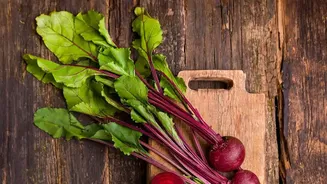
Cooking with red beetroot can be a messy affair, but a few simple tips can help. To avoid stained hands and cutting boards, consider wearing gloves while handling them. Peeling cooked beets under running water also helps contain the colour. When buying fresh beetroot, look for firm, smooth roots with their leafy green tops still attached, as this is a sign of freshness. Don’t throw those greens away; they are edible and can be sautéed much like spinach. Store the roots and leaves separately in the refrigerator to keep them fresh for longer. By prepping your beetroot in advance—roasting a batch at the start of the week, for example—you make it easy to add this nutritious vegetable to meals without any fuss.