




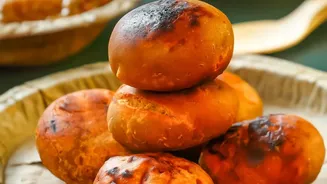
Moong dal is a beloved staple in Indian kitchens for good reason. It's nutritious, cooks quickly, and is incredibly versatile. From comforting bowls of khichdi to savoury pancakes, this humble lentil is a reliable friend for any home cook.
Understanding Your Moong Dal
Before you start
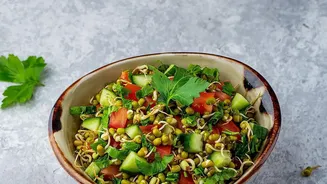
cooking, it helps to know which moong dal you're working with, as they behave differently. There are three main types you'll find. Whole moong dal consists of the small, green, whole mung beans. This type has the most fibre due to its skin, holds its shape well, and is great for salads, sprouts, and heartier curries. Split moong dal with the skin on is often called 'chilka moong dal'. It has a fuller flavour than its hulled counterpart. The most common variety is yellow moong dal, also known as 'dhuli moong'. This is the split and skinned version, which is why it's bright yellow. It cooks the fastest, breaks down into a creamy texture, and is the easiest to digest, making it perfect for simple dals and khichdi.
Recipe Notes: Tips for Perfect Moong Dal
Working with moong dal is straightforward, but a few tips can elevate your dish. While yellow moong dal cooks quickly and doesn't always require soaking, a brief 20-30 minute soak can help it cook faster and achieve an even softer texture. For whole green moong, a longer soak of several hours or overnight is recommended to shorten the cooking time. Always rinse your dal thoroughly under running water before cooking to remove any dust and excess starch. When cooking on the stovetop, you might notice foam rising to the top; skimming this off results in a cleaner flavour. A pressure cooker is a popular tool for cooking dal quickly, often taking just a few whistles. Finally, don't be shy with water. Moong dal thickens considerably as it cools, so it's better to aim for a slightly runnier consistency than you think you need.
The Ultimate Comfort Food: Moong Dal Khichdi
Khichdi is arguably the most famous dish made with moong dal, celebrated as a comforting, nourishing one-pot meal. The classic recipe combines yellow moong dal and rice, typically in a 1:1 ratio, though this can be adjusted to your preference. To make a basic khichdi, start by soaking the dal and rice together for about 20-30 minutes. In a pressure cooker, heat some ghee or oil and add cumin seeds. Once they sizzle, you can add chopped ginger, green chillies, and a pinch of asafoetida (hing) for flavour. Add the drained rice and dal, turmeric powder, salt, and enough water (usually a 1:4 dal/rice to water ratio) to cook until very soft and mushy. For a richer flavour, you can add chopped onions and tomatoes to the initial tempering. Many variations also include vegetables like carrots or peas to make it a more complete meal.
Beyond Khichdi: Simple Moong Dal Tadka
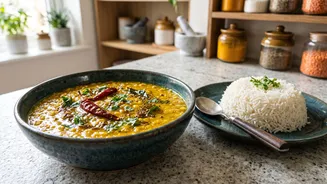
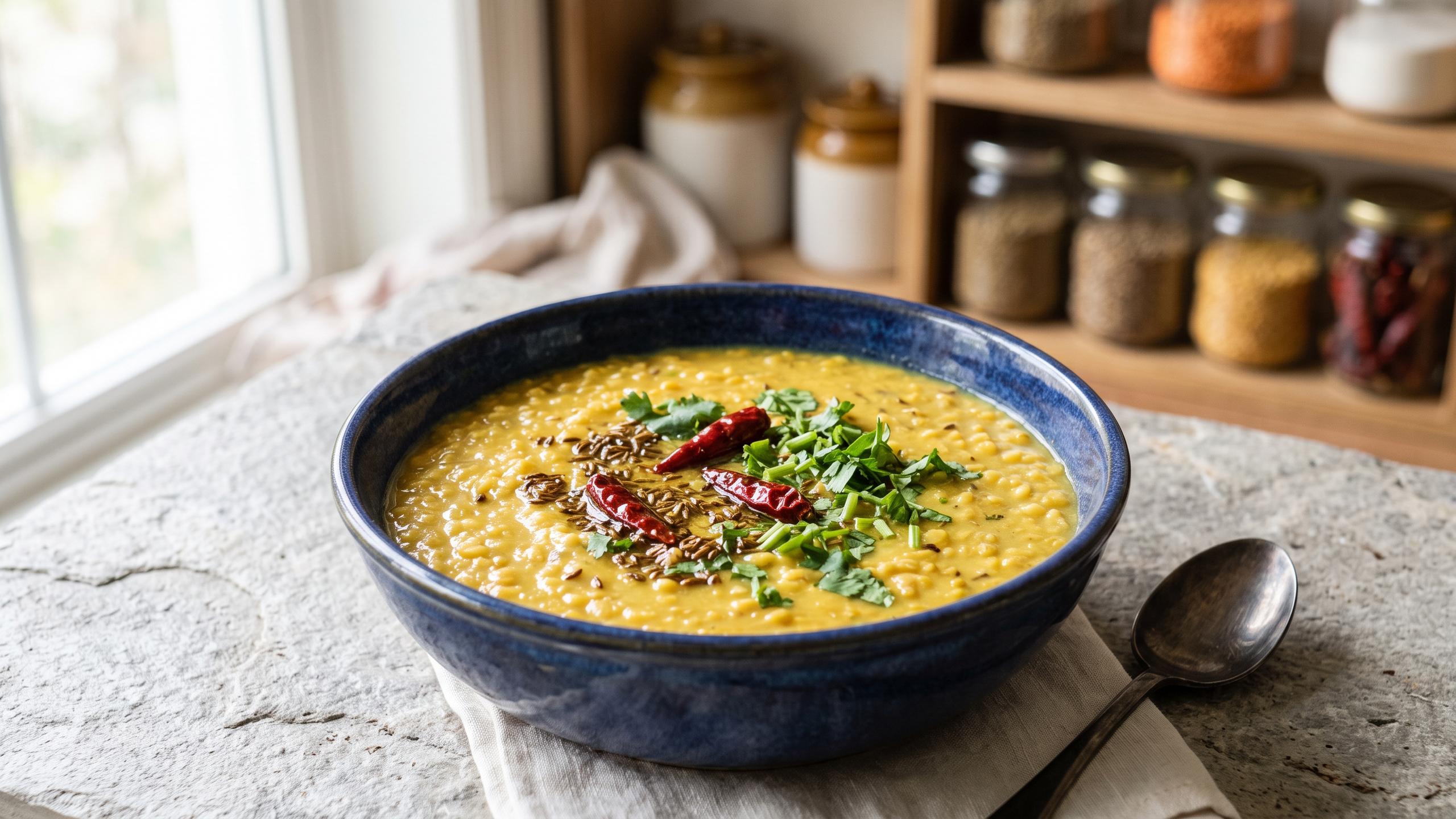
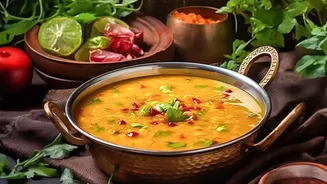
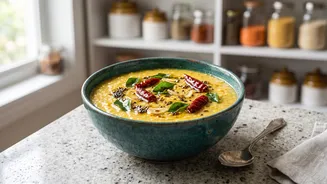
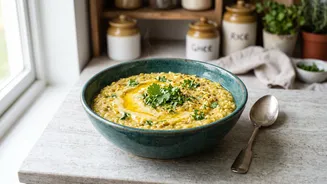
Another everyday favourite is moong dal tadka, a simple lentil soup finished with a flavourful tempering. Start by cooking yellow moong dal with turmeric and salt until it's completely soft. You can do this in a pot on the stovetop or in a pressure cooker. While the dal is cooking, prepare the 'tadka' or tempering. Heat ghee or oil in a small pan and add cumin seeds. When they splutter, add chopped onions, garlic, and ginger, and sauté until golden brown. Add chopped tomatoes and spices like red chilli powder and cook until the tomatoes soften. Pour this aromatic mixture into the cooked dal, stir well, and simmer for a few more minutes to let the flavours meld. A final garnish of fresh coriander leaves adds a burst of freshness.
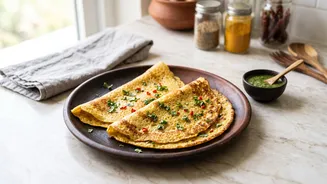
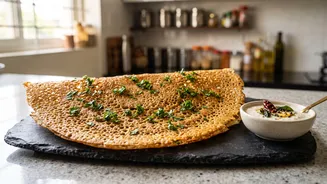
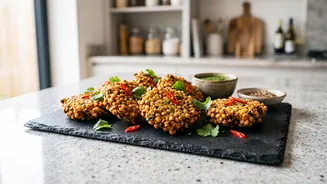
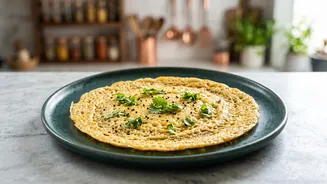
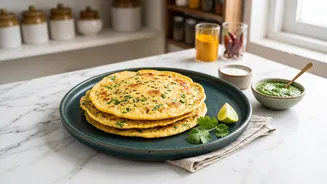
Moong dal's versatility extends beyond soupy dishes. Moong dal cheela, a savoury pancake, is a popular breakfast and snack item. To make the batter, soak yellow moong dal for at least three to four hours, or even overnight. Drain the water and grind the soaked dal in a blender with ginger, green chillies, and a little water to form a smooth, thick batter. To this batter, add salt, turmeric, and finely chopped coriander. Some recipes also include grated vegetables like carrots or finely chopped onions. To cook the cheelas, heat a nonstick tawa or pan,
pour a ladleful of batter,
and spread it into a thin circle.
Drizzle a little oil around the edges and cook on both sides until golden brown and crisp.