






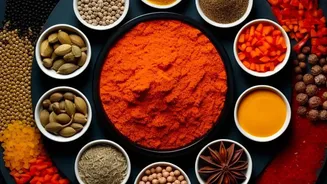
The Power of Pulses
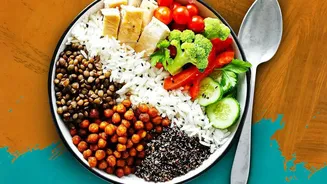
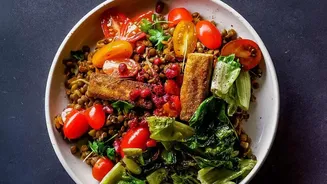
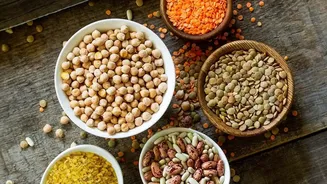
Pulses—the edible seeds of legume plants like lentils, chickpeas, and dried beans—are nutritional powerhouses that have been staples in diets for thousands of years. Evidence shows that incorporating them into your meals offers significant health benefits.
They are packed with plant-based protein, fiber, vitamins, and minerals like iron, zinc, and folate. Research supports that a diet rich in pulses can help manage blood sugar levels, making them beneficial for people with diabetes. Their high fiber content promotes a feeling of fullness, which can aid in weight management. Furthermore, studies have linked regular pulse consumption to improved heart health, including better serum lipid profiles and lower blood pressure. Keeping canned or dried pulses on hand is a cost-effective way to boost the nutritional value of soups, salads, and main dishes.
Why Whole Grains Are Superior
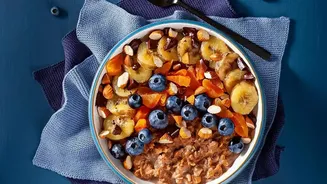
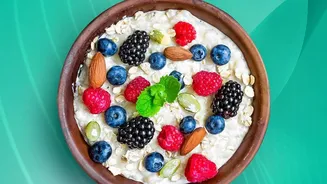
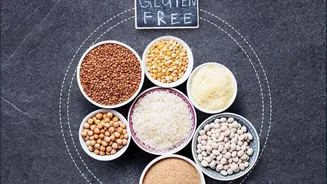
The evidence is clear: choosing whole grains over refined grains is one of the most impactful dietary choices you can make for your long-term health. A whole grain contains all three parts of the kernel—the bran, germ, and endosperm—which together provide fiber, healthy fats, vitamins, and antioxidants. In contrast, the refining process strips away the bran and germ, removing most of these crucial nutrients. A large body of research, including meta-analyses of numerous studies, demonstrates that diets rich in whole grains are associated with a lower risk of cardiovascular disease, type 2 diabetes, and certain cancers. A 2026 meta-analysis published in the European Heart Journal found that consuming four to six servings of whole grains daily was linked to improvements in body weight, cholesterol, and blood pressure. Swapping white rice for brown rice, white bread for whole-wheat, and incorporating oats, quinoa, and barley into your meals are simple yet effective ways to harness these benefits.
Versatile, Flavor-Building Basics
Beyond pulses and grains, a truly useful pantry is equipped with versatile basics that bring meals to life. These are the ingredients that provide flavor, healthy fats, and cooking functionality. Healthy fats are essential for brain function and heart health. Stocking quality cooking oils like olive, avocado, or coconut oil is a great start. Nuts and seeds—such as almonds, walnuts, chia seeds, and flaxseeds—offer a quick source of protein and omega-3 fatty acids, perfect for snacking or adding to meals. Canned tomatoes, low-sodium broths, and various vinegars create the foundation for countless sauces, soups, and dressings. Finally, a well-curated spice rack is non-negotiable. Spices not only add depth and complexity without adding salt or calories but also possess their own health-promoting properties.
Putting It All Together
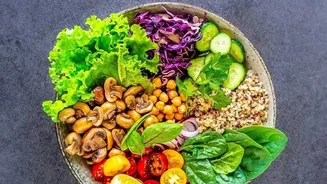
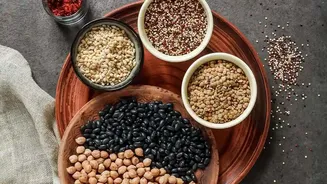
The magic of a well-stocked pantry lies in how these components work in harmony. A simple meal can be created by combining a whole grain like quinoa with a pulse like black beans, then elevating it with pantry basics. Sauté some onions and garlic in olive oil, add spices like cumin and chili powder, and finish with a can of diced tomatoes. Suddenly, you have a flavorful and nutritious base for tacos, bowls, or salads. This approach transforms cooking from a chore into a creative and stress-free process. Knowing you have the building blocks for a healthy meal at your fingertips removes the decision fatigue that often leads to less healthy choices. It empowers you to create balanced dishes that include protein, fiber-rich carbohydrates, and healthy fats, even on the busiest of weeknights.