


In every Indian kitchen, 'saunf' is a staple, a familiar friend after meals. But what about its origin, the crunchy fennel bulb? Let's explore the delightful pairing of crisp fennel and zesty lemon, a culinary match waiting to be discovered.
From Familiar Saunf to Fresh Fennel
For many in
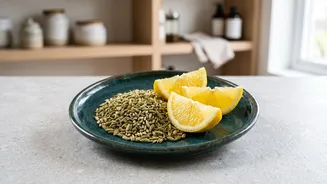
India, 'saunf' or fennel seeds are a household staple, chewed after meals as a digestive aid and breath freshener. These small, aromatic seeds come from the fennel plant, Foeniculum vulgare. But there is more to this plant than just its seeds. The fennel bulb, with its overlapping white layers, is a vegetable with a crisp texture and a mild, sweet, anise-like flavour. While the seeds have a more potent taste, the bulb offers a subtle and refreshing crunch that is highly versatile in the kitchen. If you love the aroma of saunf, think of the fennel bulb as its fresh, vegetable counterpart—a bridge between a familiar spice and new culinary territory.
A Perfect Pair: The Flavour Science
Fennel and lemon are a classic combination for a reason. Fennel's characteristic flavour comes from a compound called anethole, which gives it a subtle sweetness reminiscent of licorice. When eaten raw, fennel is crisp and peppery. Lemon, on the other hand, provides bright, sharp acidity. This citrusy tang cuts through and balances the fennel's sweetness, creating a harmonious and refreshing taste profile. Roasting or braising the fennel transforms its flavour entirely; the heat breaks down its complex sugars, making it tender, sweeter, and more mellow. When paired with lemon, this caramelised sweetness is elevated, resulting in a dish that is both complex and comforting.
Crisp & Bright: Salads and Starters
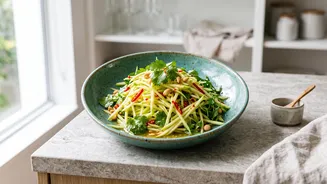
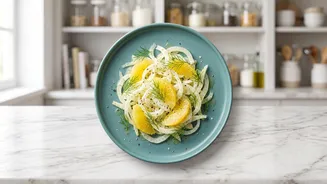
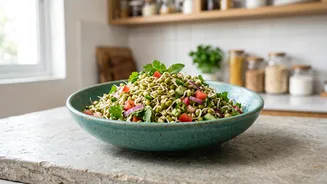
One of the easiest ways to enjoy fennel and lemon is in a raw salad. Thinly slicing the fennel bulb, perhaps with a mandoline, and tossing it with fresh lemon juice, olive oil, and a pinch of salt makes for a simple yet elegant side dish. The lemon juice not only adds flavour but also helps to tenderise the fennel slightly. This combination can serve as a base for more complex salads. Consider adding peppery arugula, nuts, and shaved Parmesan for a textural contrast. An Indian-inspired kachumbar can also be made by combining finely diced fennel with lemon juice, green chillies, and sprouted methi (fenugreek seeds), creating a refreshing salad that is sweet, spicy, and tangy.
Warm & Comforting: Roasted and Braised Dishes
Cooking unlocks a new dimension of fennel's flavour. When roasted, fennel wedges become tender and caramelised at the edges, their sweetness intensified. A simple preparation involves tossing fennel wedges with olive oil, salt, and pepper, then roasting at a high temperature (around 200°C) until golden brown and fork-tender. A squeeze of fresh lemon juice just before serving brightens up the rich, roasted flavour. Braising is another excellent method. Searing fennel wedges in a pan before slow-cooking them in the oven with a mixture of lemon juice, garlic, and herbs results in a meltingly tender and aromatic side dish that pairs wonderfully with fish, chicken, or lentils.
Beyond the Plate: Refreshing Drinks
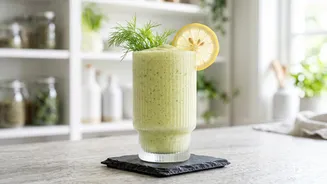
The combination of fennel and lemon extends beyond food into refreshing beverages. Fennel water, made by soaking saunf in water, is a traditional digestive and body_cooling drink in India. You can create a more flavourful version by preparing a fennel and lemon sharbat or juice. One method involves creating a powder from fennel seeds, rock sugar (mishri), cardamom, and black pepper. To make the drink, you simply mix this powder with water and fresh lemon juice for an instant cooler. Another simple option is fennel tea. Steeping crushed fennel seeds in hot water for a few minutes, then adding a squeeze of lemon, creates a soothing beverage known to aid digestion and freshen breath.