






A Relentless Cycle of Calamity
The past dozen years in the Indian Himalayas have been marked by a devastating drumbeat of disasters. The period since the catastrophic 2013 Kedarnath floods, which claimed over 5,700 lives, has seen a relentless succession of calamities. This includes
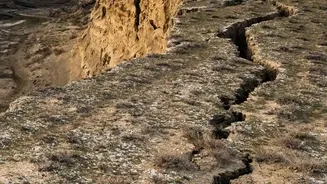
the Kashmir floods in 2014, the Chamoli flash flood in 2021 that swept away two hydropower projects killing over 200, and the unseasonal heavy rains later that year that caused widespread destruction in Uttarakhand. More recently, the slow-motion disaster of land subsidence in Joshimath in 2023 saw hundreds of buildings develop cracks, leading to mass evacuations. In the same year, a glacial lake outburst flood (GLOF) in Sikkim killed 179 people, while intense monsoons have repeatedly battered states like Himachal Pradesh, causing hundreds of deaths and colossal damage to infrastructure. This pattern of destruction is no longer a series of isolated incidents, but a clear trend of escalating frequency and intensity.
Climate Change: The Great Destabiliser
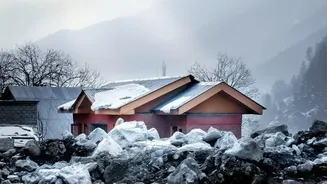
The Himalayas are warming at a rate nearly double the global average, a fact that is supercharging its natural fragility. This accelerated warming has profound consequences, leading to the rapid retreat of glaciers, which act as Asia's water towers, feeding its major rivers. This melt doesn't just threaten long-term water security for over a billion people; it creates immediate dangers. The formation of unstable glacial lakes has increased the risk of GLOFs, where natural dams burst, unleashing catastrophic downstream floods, as seen in Sikkim. Furthermore, changing weather patterns result in more erratic and extreme rainfall. Instead of steady snowfalls that replenish glaciers, the region is experiencing intense cloudbursts and downpours on destabilised slopes, dramatically increasing the frequency of flash floods and landslides.
The Development Dilemma
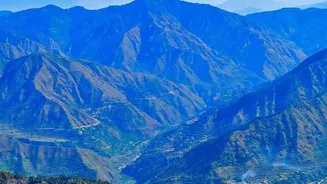
While climate change provides the fuel, a model of aggressive and often unplanned development has created the conditions for disaster. In the quest for economic growth, tourism, and strategic connectivity, vast infrastructure projects like the Char Dham highway and numerous hydropower dams have been pushed forward. Experts have repeatedly warned that this kind of development, which involves unscientific slope cutting, blasting tunnels through fragile rock, and dumping debris in rivers, severely compromises the region's delicate geological balance. The crisis in Joshimath, a town built on ancient landslide debris, is a stark example, with many geologists and residents blaming rapid construction for weakening the land. This approach creates a paradox: the very roads and dams built for progress often become the first casualties in a disaster, and their construction can amplify the destructive power of natural hazards.
The Myth of Bouncing Back
In the face of these recurring tragedies, the notion of 'resilience' is being critically questioned. For years, resilience often meant simply rebuilding what was destroyed—the same roads, the same buildings, in the same vulnerable locations. The 12-year disaster record suggests this approach has failed. The cycle of destruction and reconstruction incurs massive economic and human costs, demonstrating that simply bouncing back is not enough. True resilience requires a fundamental shift in mindset, moving from a reactive to a proactive approach. This involves integrating climate risk into all planning, enforcing stricter building codes, and respecting the geological limitations of the mountains. There is a growing call for development to be guided by scientific hazard mapping and to incorporate nature-based solutions and indigenous knowledge to create a more sustainable and less intrusive path forward. Community-led initiatives in water management and disaster preparedness are emerging as vital components of a new resilience strategy.