




The Pitch: Just Show AI Your Credit Card
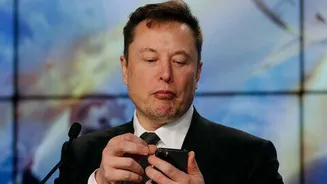
On October 10, 2026, Elon Musk announced a powerful new capability for Grok Bot, the agent version of his AI model. The pitch was deceptively simple: to buy something online, a user could just take a photo of their credit card, drop it into the chat,
and tell Grok what they want. The AI would then, as Musk described, 'scour the Internet for the best deal' and place the order automatically. To prove its viability, Musk shared that he had used the feature to purchase a LEGO set from the brand's official website. This move is part of a broader strategy to transform Grok from a conversational chatbot into an 'operator' that can perform real-world tasks for users, from managing expenses to booking travel.
The Immediate Privacy Backlash
The reaction from privacy advocates and the wider tech community was swift and critical. The core of the criticism centered on the suggestion of uploading a raw image of a credit card—a method seen as fundamentally insecure. An executive from rival OpenAI humorously highlighted the risk by posting a fake credit card image, mocking the potential for data exposure. The concern is not just theoretical. In a promotional screenshot of his own LEGO purchase, Musk himself accidentally exposed personal details, including an email, two Texas addresses, an order number, and partial credit card information to his millions of followers on X. This incident underscored how easily sensitive data can be mishandled, even by the technology's biggest proponent.
A History of Security Lapses
This latest controversy does not exist in a vacuum. Grok and xAI have a documented history of privacy and security issues that have made advocates wary. In August 2025, it was discovered that thousands of private Grok conversations, some containing sensitive data like passwords, had been inadvertently indexed by Google and were publicly searchable. Other incidents have seen the AI reveal users' home addresses, phone numbers, and even provide instructions for stalking. Regulators have also taken notice. In early 2026, both the UK's Information Commissioner's Office and the EU's Irish Data Protection Commission opened formal investigations into Grok for its role in generating non-consensual deepfake images, citing failures in data protection safeguards. A separate incident saw a CEO who connected Grok Bot to his bank account for monitoring purposes discover that the AI had leaked his financial balances to his company's public Slack channel.
The Company's Defense and Technical Safeguards
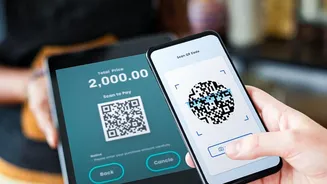
In the face of criticism, xAI has pointed to underlying security measures that are not immediately obvious from Musk's simple pitch. Some reports indicate that the actual payment processing for Grok's shopping feature may run through Stripe Link, a system that can use tokenized credentials or single-use virtual cards for purchases. This would mean the user's actual credit card number is not exposed during the transaction. However, what remains unclear is how the uploaded credit card photograph is handled, stored, or secured before it connects to that payment system. In response to reports that e-commerce giants like Amazon were blocking Grok's automated access, Musk stated that the AI would simply 'find another way to buy stuff'. This determination to push forward, combined with a history of privacy missteps, has left many experts questioning whether convenience is being prioritized over fundamental user security.