


The Philosophy of Slowing Down
So, what is slow travel? It’s more than just moving at a leisurely pace; it's a mindset. Stemming from the 'slow food' movement, which championed local ingredients and traditional recipes over fast food, slow travel prioritises connection over consumption.
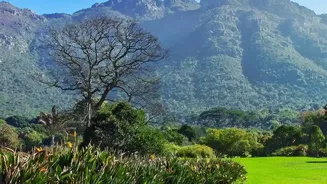
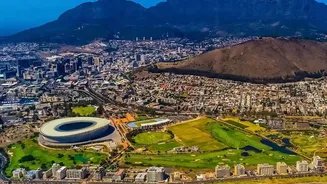
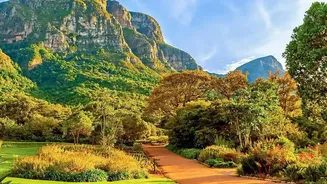
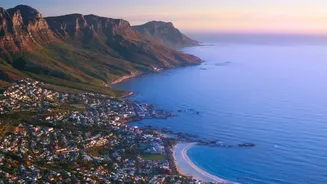
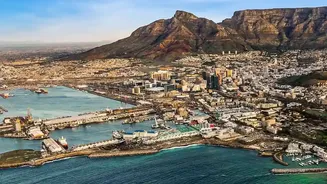
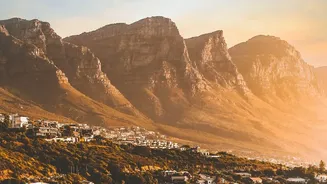
It’s about trading a frantic, multi-city sprint for a deeper, more meaningful stay in fewer places. Instead of seeing a country through a bus window, you immerse yourself in it. This philosophy encourages you to ask questions, engage with local communities, and appreciate the journey as much as the destination itself. In South Africa, this means you don't just 'see' Table Mountain; you feel the morning mist on a longer hike, learn its flora, and watch the city lights flicker to life from its summit.
The Journey as the Destination
Perhaps nothing embodies the spirit of slow travel in South Africa quite like its iconic luxury trains. Journeys on Rovos Rail or the Blue Train are not about getting from Pretoria to Cape Town quickly; they are the experience. Rovos Rail offers a vintage, Edwardian-style trip with wood-panelled suites and open-air balconies, perfect for photographers and those who want to feel the breeze and hear the sounds of the landscape. The Blue Train provides a more modern, five-star hotel-on-wheels experience, known for its sleek design and formal service. Onboard these trains, the ever-changing scenery of the Karoo desert, dramatic mountain passes, and lush Winelands is not just a view but a constant, mesmerizing companion. You dine, sleep, and socialize as the heart of the country unfolds outside your window.
Freedom on Four Wheels
For ultimate flexibility, a self-drive journey is unparalleled. Routes like the world-renowned Garden Route are not just a highway from one point to another; they are a collection of possibilities. A self-drive allows you to linger over a coffee in a charming town like Swellendam, take an impromptu detour to a secluded beach, or spend an entire afternoon watching whales in Hermanus during the season. You set the pace. You can decide to hike in the Tsitsikamma National Park, explore the Cango Caves near Oudtshoorn, or simply find a viewpoint and watch the sunset. This freedom from a rigid schedule allows for spontaneity and discovery, turning a simple road trip into a personal adventure. The route becomes a tapestry of experiences you weave yourself, thread by thread.
An Intimate Encounter with the Wild
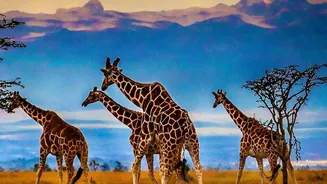
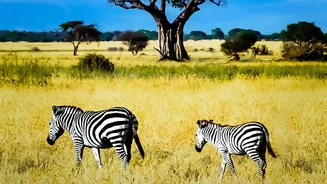
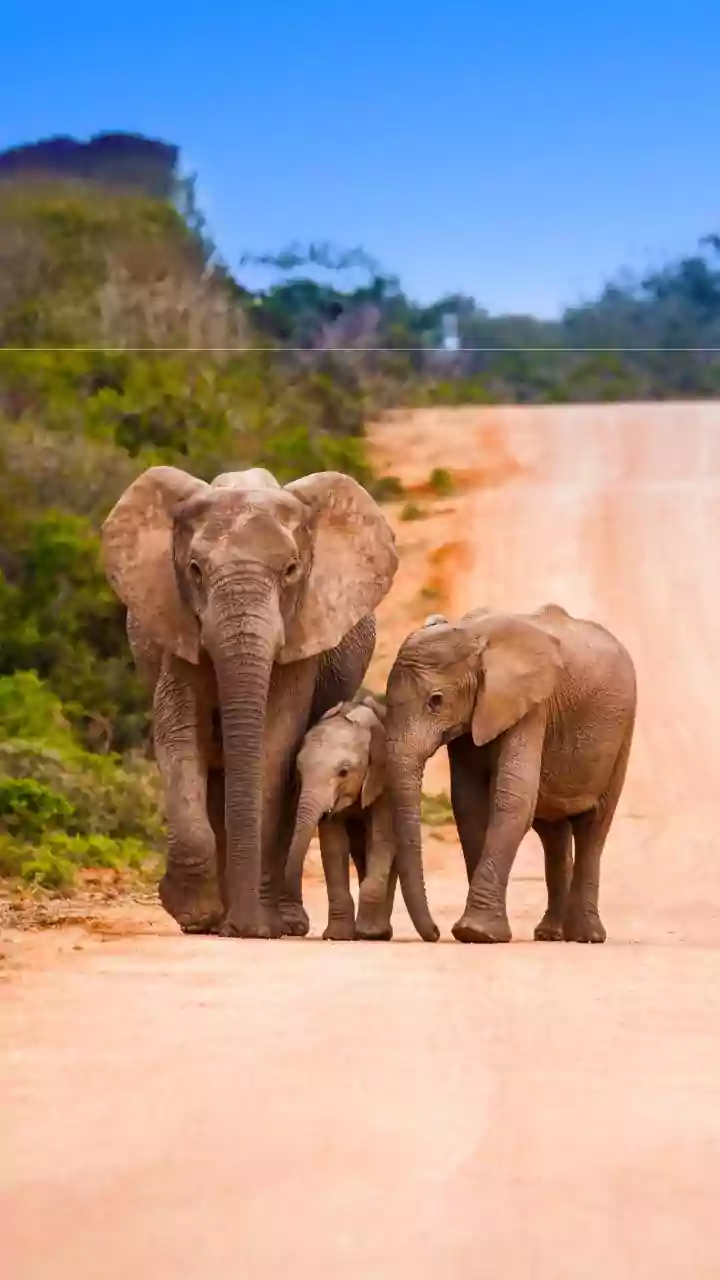
Slow travel fundamentally changes the safari experience. While game drives are thrilling, a walking safari offers a completely different perspective. On foot, guided by an expert ranger in reserves like Kruger National Park, you move at nature’s pace. Suddenly, you are not just an observer but a participant in the ecosystem. You learn to track animals, identify birds by their calls, and understand the intricate relationships between the flora and fauna. The focus shifts from simply spotting the 'Big Five' to appreciating the smaller wonders—the industrious dung beetle, the complex structure of a termite mound, the scent of wild sage. This quiet, deliberate approach fosters a profound respect for the environment and offers a humbling, more intimate connection to the wild.
Beyond the Tourist Trail
Ultimately, slowing down gives you the time and space to connect with the soul of South Africa: its people. It allows for experiences that go beyond a transactional tour. You can spend a morning at a local market, share stories with a guesthouse owner, or participate in community-led initiatives that support conservation and local economies. This type of travel fosters genuine cultural exchange and ensures that tourism benefits the communities being visited. It's about seeing the country not as a series of attractions, but as a living, breathing place full of diverse cultures and stories. By moving slowly and intentionally, you create memories rooted in authentic connection, which last far longer than any photograph.