


The Science of the Mush
To understand the solution, we first need to understand the problem. When vegetables are frozen, the water inside them turns into ice crystals. These crystals can puncture the cell walls of the vegetable. When you thaw vegetables before cooking, or boil
them for too long, this damaged structure releases excess water, resulting in a limp, waterlogged texture. Most frozen vegetables are also blanched (partially cooked) before being flash-frozen, which means they need significantly less cooking time than their fresh counterparts. Overcooking is the primary culprit behind mushy results.
Rule Number One: Cook from Frozen
Unless a recipe specifically instructs otherwise, do not thaw your frozen vegetables before cooking. Thawing is the enemy of good texture, as it allows the vegetables to become soft and release too much moisture before they even hit the pan. Cooking them straight from the freezer is not only faster but also crucial for preserving their structure. If you notice large clumps of ice, simply break them apart before cooking. The goal is to cook off the surface moisture as quickly as possible.
Embrace High-Heat Roasting
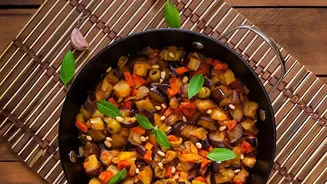
Roasting is arguably the best method for transforming frozen vegetables. High heat helps the excess moisture evaporate quickly, allowing the vegetables to brown and caramelize rather than steam. For the best results, preheat your oven to a high temperature, around 220-230°C. It's also effective to preheat the baking sheet itself. Toss the frozen vegetables in a generous amount of oil and your chosen seasonings, then spread them in a single, even layer on the hot pan. Don't overcrowd the pan, as this will cause them to steam. Roast for 20-30 minutes, flipping halfway through, until you see golden, crispy edges.
Fast and Flavourful Sautéing
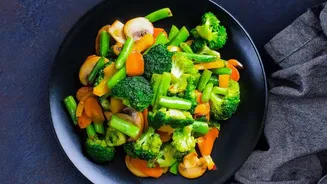
For a quick stovetop option, sautéing is an excellent choice. The key is to get your pan very hot before adding the frozen vegetables. Add a bit of oil or butter, then toss in the veggies. Keep the heat on medium-high and stir frequently. This method cooks them in about five to seven minutes, preserving a pleasant bite. Avoid covering the pan, as that will trap steam and lead to sogginess. Once the excess liquid has evaporated, you can season them. This technique works wonderfully for mixed vegetables, peas, corn, and green beans.
Master the Gentle Steam
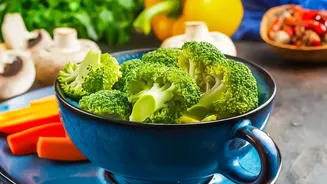
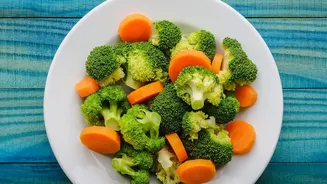
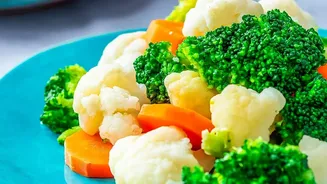
While boiling is generally discouraged because it leads to nutrient loss and a mushy texture, steaming is a fantastic alternative. It’s a gentle cooking method that preserves the vegetables' texture and nutrients. Use a steamer basket over a pot of boiling water, ensuring the vegetables do not touch the water. Most smaller vegetables like peas and corn need only 2-5 minutes, while heartier ones like broccoli and cauliflower florets take about 5-7 minutes. This method is perfect when you want a clean, simple side dish without added oils.
A Note on Seasoning
Seasoning can make all the difference. Because salt draws out water, some chefs recommend adding it halfway through the cooking process, especially when roasting, to help the vegetables crisp up instead of becoming wet. For other methods, seasoning after the initial moisture has cooked off is a good rule of thumb. Don't be shy with flavour. Garlic powder, smoked paprika, dried herbs like thyme or rosemary, and a final squeeze of lemon juice can elevate frozen vegetables from a simple side to a highlight of the meal.