




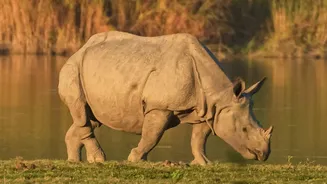
The Rhino Capital of the World
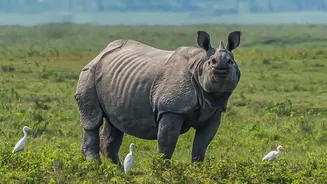
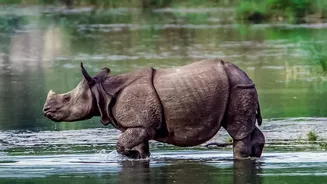
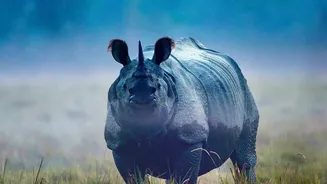
When you think of rhinos in Assam, one name stands above all: Kaziranga National Park. This UNESCO World Heritage Site is the undisputed global stronghold for the greater one-horned rhino, hosting more than two-thirds of the world's population. A recent
census counted over 2,600 rhinos within its sprawling grasslands and wetlands, a testament to its status as a premier wildlife destination. The park's landscape, a stunning mosaic of tall elephant grass, marshlands, and dense tropical forests on the floodplain of the Brahmaputra River, provides the perfect habitat for these magnificent creatures. For any traveller hoping to see a rhino, a visit to Kaziranga is practically a guarantee. Its success has made it the epicentre of rhino conservation and the primary draw for wildlife enthusiasts visiting the state.
A Conservation Comeback Story
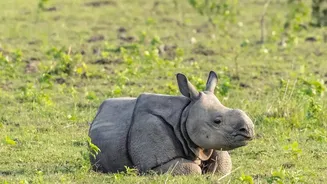
Seeing a one-horned rhino today is witnessing one of Asia's greatest conservation triumphs. At the beginning of the 20th century, due to rampant hunting and habitat loss, fewer than 200 of these animals remained in the wild. The population in Kaziranga itself had dwindled to just a handful of individuals. Through decades of strict protection, dedicated anti-poaching efforts, and habitat management by Indian authorities, the species was brought back from the brink of extinction. This incredible recovery has seen the total population climb to over 4,000 across India and Nepal. Programs like the Indian Rhino Vision 2020 have also been instrumental, not only in protecting existing populations but also in translocating rhinos to other parks to establish new, viable groups. Visiting Assam's parks is more than just a safari; it’s an opportunity to appreciate a living, breathing conservation success story.
Planning Your Rhino Safari
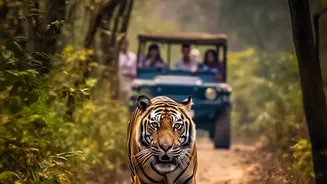
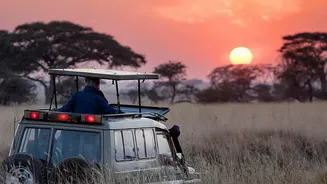
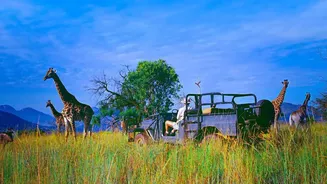
To make the most of your trip, timing is key. The best time to visit Kaziranga is from November to April, as the park remains closed during the monsoon season (May to October) due to flooding. The winter months, from December to February, offer pleasant weather and are ideal for birdwatching, while the hotter months of March and April often lead to better wildlife sightings as animals congregate around water bodies.Visitors have two main safari options: Jeep and elephant. Jeep safaris cover more ground across the park's different zones—Central (Kohora), Western (Bagori), Eastern (Agoratoli), and Burapahar. The Central and Western ranges are particularly popular for rhino sightings. Elephant safaris, available in the Central and Western zones, offer a unique, up-close perspective, allowing you to move through the tall grasses where rhinos often graze. It is highly recommended to book safaris in advance, especially during the peak season, to secure your preferred time and zone.
Beyond Kaziranga: Other Rhino Havens
While Kaziranga is the star, Assam offers other excellent options for rhino viewing. Orang National Park, often called 'Mini Kaziranga' due to its similar landscape of grasslands and wetlands, hosts a thriving population of over 125 rhinos. Its smaller size (around 79 sq km) means it has a high density of animals, offering a fantastic chance to see rhinos, and even tigers, on the northern bank of the Brahmaputra.Further west lies Manas National Park, another UNESCO World Heritage Site with a poignant rhino story. Once home to a large population, its rhinos were wiped out by poaching during a period of civil unrest. Through an ambitious reintroduction program, rhinos were brought back to Manas starting in 2008. Today, the population is successfully breeding and has grown to over 50 individuals, marking a powerful story of ecological restoration.
More Than Just Rhinos
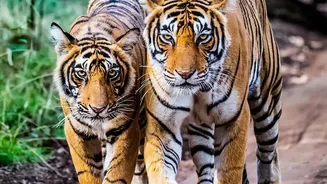
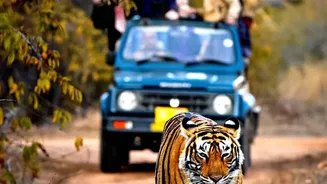
A trip to see the rhinos of Assam is also a chance to witness a spectacular array of other wildlife. Kaziranga is famous for its 'Big Five': the greater one-horned rhino, the Royal Bengal tiger, the Asiatic elephant, the wild water buffalo, and the eastern swamp deer. The park boasts one of the highest densities of tigers in the world and is a vital habitat for elephants and wild water buffalo. Birdwatchers are also in for a treat, with over 470 species recorded, including migratory birds in the winter. From the rare hoolock gibbon, India’s only ape, to herds of hog deer and countless species of reptiles and birds, the biodiversity here is simply astounding. Exploring Assam's national parks reveals a complete and vibrant ecosystem thriving around its most famous resident.