


From Sightseeing to 'Feeling'
A quiet revolution is reshaping Indian tourism. The old model of rushing through a checklist of sights is giving way to what the industry calls "experiential travel". This new approach prioritises connection over consumption. Instead of just seeing a place,
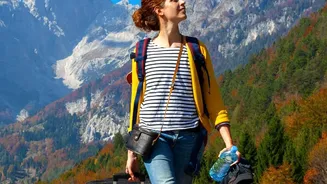
travellers want to feel it—by participating in local life, learning a new skill, or embarking on an adventure that challenges them personally. It’s a move from passive observation to active immersion. This isn't about luxury in the traditional sense; it's about the richness of the experience itself, whether that means sharing a meal with a local family, learning a traditional craft from an artisan, or meditating in a centuries-old monastery. This trend is particularly strong among younger demographics, who are driving a significant portion of this market growth.
Why Kashmir and Ladakh Resonate
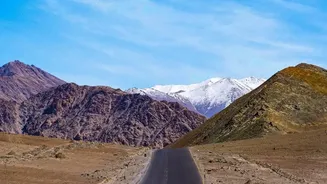
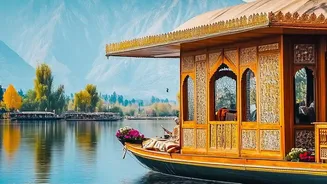
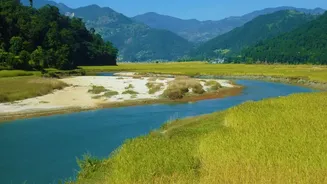
Kashmir and Ladakh have become the epicentres of this new travel mindset. Their unique combination of breathtaking natural landscapes, distinct cultural identities, and abundant opportunities for adventure makes them perfectly suited for the modern traveller. The regions offer a powerful sense of escape and authenticity that feels worlds away from urban life. For adventure seekers, there's high-altitude trekking, mountain biking, and white-water rafting. For those seeking cultural immersion, there are ancient monasteries, vibrant festivals, and unique local traditions to participate in. The recent surge in tourism is a testament to this growing appeal; in 2026, Ladakh saw tourist arrivals in the first seven months nearly match the total for all of 2025, with dramatic year-on-year growth.
The New Himalayan Itinerary
So, what does an experience-led trip here actually look like? It means swapping a standard hotel for a homestay, where travellers can gain insight into the daily lives of local families. The number of registered homestays in Ladakh, for instance, has grown dramatically, providing a direct source of income for residents. An itinerary might include a multi-day trek to a remote village, a cooking class focused on regional cuisine, or a workshop with local artisans making pashmina shawls or carpets. It could also involve attending a local event like the Hemis Festival or Ladakh Astro Week, which offer deep dives into the region's spiritual and natural wonders. These activities provide a more profound understanding of the destination than any guidebook could offer.
A Sustainable Shift
This trend has significant positive impacts. When travellers prioritise authentic experiences, their money is more likely to flow directly into the hands of local guides, small business owners, and host families, rather than large, impersonal corporations. This fosters a more sustainable and equitable model of tourism that helps preserve cultural heritage by placing a tangible value on it. In regions like Ladakh, where tourism can account for a significant portion of the local GDP, this shift is crucial. It encourages the preservation of the very things that make the destination unique—its environment, its culture, and its communities—by making them central to the economic model.
The Mindset of the Modern Traveller
The desire for experience-led travel is driven by a broader cultural shift. In a digitally saturated world, there's a growing hunger for genuine, unfiltered moments. Young Indian travellers, in particular, are increasingly prioritising travel and personal growth, sometimes even over traditional savings goals. Reports indicate that for Gen Z, the experience itself—be it cultural exploration or outdoor adventure—is often more important than the destination. This search for authenticity, combined with improved connectivity and infrastructure in formerly remote areas, has created the perfect conditions for Kashmir and Ladakh to capture the imagination of a new generation of Indian explorers.