





What is a Plant Wall?
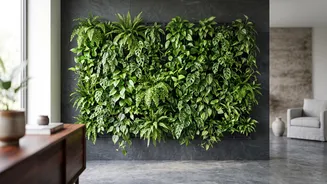
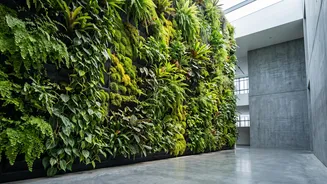
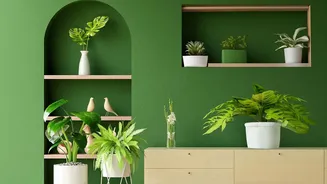
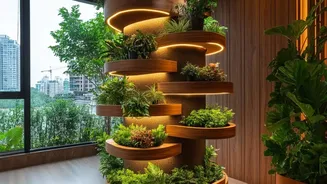
A plant wall, also known as a living wall or vertical garden, is a method of growing plants on a vertically suspended panel. These structures can be freestanding or attached to a wall and contain a growing medium like soil, felt, or water for the plant roots.
It’s an innovative way to introduce dense greenery into a space without sacrificing a single square foot of floor area, transforming a plain surface into a dynamic, textured feature. Systems can range from simple, DIY pocket planters to sophisticated, professionally installed modular panels with built-in irrigation.
More Than Just Decoration
The benefits of a plant wall extend far beyond aesthetics. They are natural air purifiers, filtering common indoor pollutants like benzene and formaldehyde and converting carbon dioxide into fresh oxygen. Studies have shown that being around plants can improve your mood, enhance concentration, and reduce stress levels, creating a calmer and more productive environment. A dense wall of plants also acts as a natural sound barrier, absorbing noise and reducing echo in a room. Furthermore, by acting as natural insulators, they can help regulate indoor temperatures, potentially leading to energy savings.
Choosing Your System
There are several types of vertical garden systems to suit different needs and budgets. The most common are panel/modular systems, where plants are inserted into containers on a panel, and felt systems, which use pockets made of a sturdy, porous fabric. For those who love a weekend project, DIY options using wooden frames, hanging planters, or even repurposed rain gutters can be a cost-effective starting point. For a more advanced setup, hydroponic systems grow plants soil-free in nutrient-rich water, which can encourage faster growth and require less maintenance once established.
The Best Plants for an Indoor Wall
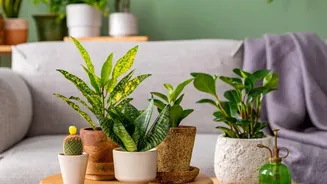
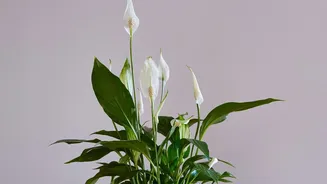
Choosing the right plants is crucial for a thriving plant wall. For Indian homes, especially in lower-light conditions, hardy varieties are a great choice. The Money Plant (Pothos) is a forgiving and fast-growing favourite that trails beautifully. Ferns, like the Boston Fern, add a soft, feathery texture and thrive in humidity. Other excellent options include the elegant Peace Lily, known for its air-purifying qualities, the hardy Snake Plant, and various types of Philodendron and Syngonium. For a pop of colour, consider Aglaonema (Chinese Evergreen) or certain varieties of Anthurium.
Installation and Maintenance
Before you begin, assess your wall. Ensure it can support the weight of the system, plants, and moist soil. For DIY systems, securely mount your frame or planters. Once your system is in place, fill the pockets or containers with a suitable potting mix and gently place your plants. Watering is key. Gravity pulls water downwards, so top pockets may dry out faster. Many modular systems come with integrated drip irrigation, which automates watering and ensures even distribution. Otherwise, you'll need to water manually every 7-10 days, depending on the plants and humidity. Regularly check for pests, prune away dead leaves, and provide a balanced liquid fertiliser every few weeks during the growing season to keep your wall lush and healthy.
What Will It Cost?
The cost of a plant wall in India varies widely. A simple DIY setup with a few fabric pockets can cost under ₹2,000. Mid-range modular systems for a feature wall might fall between ₹5,000 and ₹15,000. For a large, professionally installed system with automated irrigation, prices are often calculated per square foot and can range from ₹700 to over ₹3,000 per sq ft, leading to costs of ₹50,000 or more for a significant installation.