





The Tricolour on Your Plate
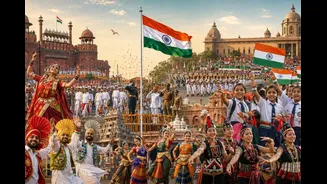
The simplest and most visually striking way to begin an Independence Day meal is by invoking the Tiranga. The colours of saffron, white, and green are not just symbolic of our nation's strength, peace, and growth; they are also a feast for the eyes. This
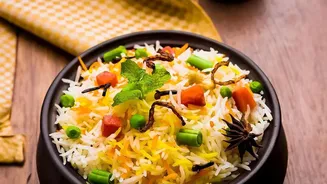
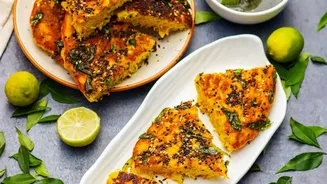
theme can be adapted to any course. Think of a simple starter like a tricolour sandwich with carrot, paneer, and mint chutney, or idlis and dhoklas tinted with natural colours. Even a simple pulao or biryani, layered to reflect the flag, becomes a conversation starter. This isn't just about aesthetics; it's a creative way to engage children and talk about the meaning behind the flag, making the celebration both delicious and educational. It’s a tasty tribute to the values that unite us.
A Taste of Resilience from the North
No dish tells a story of survival and new beginnings quite like Chole Bhature. This beloved North Indian staple is deeply intertwined with the history of the Partition of India in 1947. Punjabi refugees who crossed the border into Delhi brought their culinary traditions with them, introducing the dish to new audiences and forever shaping the capital's food scene. What began as a hearty, affordable meal sold from bicycles by families starting over, grew into a cultural icon. Serving Chole Bhature on Independence Day is more than just enjoying a delicious meal; it's a tribute to the resilience of those who rebuilt their lives and, in doing so, enriched India's cultural fabric. It represents hope and the ability to create something beautiful and enduring out of shared struggle.
A Western Classic of Comfort and Tradition
From Maharashtra comes Puran Poli, a sweet flatbread that is the very definition of festive comfort food. This dish, a delicate bread stuffed with a sweet mixture of chana dal and jaggery, is a staple during festivals like Holi and Ganesh Chaturthi. Its significance goes beyond its delicious taste; making Puran Poli is often a family affair, a labour of love where techniques are passed down through generations. Each step, from simmering the dal to carefully rolling the poli, is part of a cherished ritual. Including it in an Independence Day feast honours the quiet, steadfast traditions that form the backbone of Indian family life. It symbolizes prosperity, togetherness, and the sweet rewards of patience—values that are central to our cultural identity.
The Unifying Aroma of Biryani
Few dishes represent India's 'unity in diversity' better than Biryani. With roots in Persian cuisine, it was introduced by the Mughals and has since evolved into countless regional variations, each with its own unique character. From the spicy Hyderabadi version to the milder, potato-laden Kolkata style, Biryani tells a story of cultural assimilation. It is a dish for celebration, synonymous with weddings, festivals, and joyous gatherings across the subcontinent. It has the power to bring people from all walks of life to the same table. Serving Biryani on August 15 celebrates this beautiful intermingling of cultures that defines modern India. It is a delicious reminder that our strength lies in our ability to absorb, adapt, and create something new together.
A Sweet Bengali Blessing
For a perfect end to a celebratory meal, we turn to the East for Mishti Doi. In Bengali, 'mishti' means sweet and 'doi' means curd. This traditional dessert is made by thickening milk, sweetening it with jaggery or sugar, and allowing it to ferment, often in earthenware pots that lend it a distinct, earthy flavour. Mishti Doi is more than just a dessert; it's a part of Bengali culture and is considered an auspicious treat. Much like the practice of having dahi-shakkar before an important task, Mishti Doi is believed to bring good fortune. Ending your Independence Day meal with this creamy, caramel-flavoured yogurt is like offering a sweet blessing for the nation's future—a hope for sweetness, prosperity, and well-being for all.