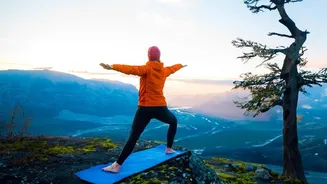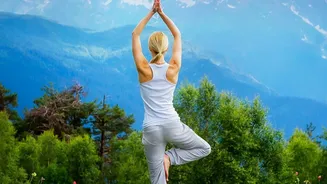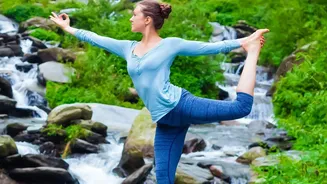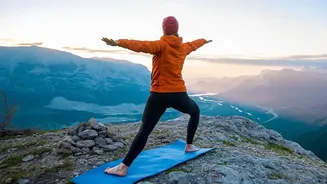






Yoga: The Art of Daily Maintenance
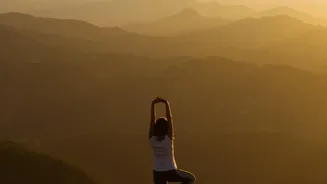
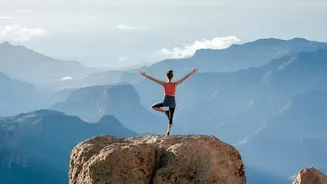
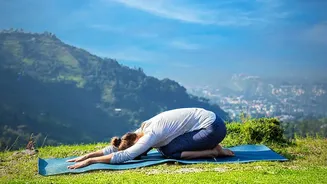
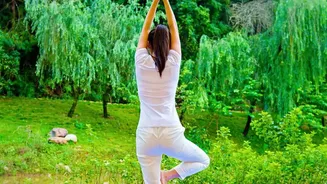
Yoga is an ancient practice originating from India that focuses on the union of mind, body, and soul. Its power in managing daily stress lies in its consistency. A regular yoga practice, even just for a few minutes each day, builds a foundation of inner
calm. By combining physical postures (asanas), controlled breathing (pranayama), and meditation, yoga trains the nervous system to shift from a state of fight-or-flight to one of rest-and-digest. This isn't about escaping your reality; it's about becoming more present within it. The practice encourages body awareness, helping you notice and release physical tension before it builds. Studies have shown that this consistent engagement lowers cortisol, the body's primary stress hormone, leading to improved mental clarity, emotional stability, and resilience in the face of everyday pressures.
Building Inner Resilience, Breath by Breath
Think of yoga as a form of mental and physical maintenance. It doesn't eliminate stress, but it equips you with the tools to navigate it more effectively. The focus on the present moment quiets the mental chatter and anxiety about the future. Research has shown that yoga can increase levels of a brain chemical called GABA, which is associated with better mood and decreased anxiety. This creates a cumulative effect. Over time, the mat becomes a reliable sanctuary where you can process the day's events, regulate your emotional responses, and center your attention. It’s a practice of integration, teaching you to carry a sense of balance with you long after you've rolled up your mat.
Trekking: The Call of the Grand Escape
If yoga is about managing the 'now', trekking is about completely changing it. The act of journeying through nature—whether on a mountain trail or through a forest—is a powerful form of interruption. It provides a physical and mental reset by removing you from the environments and triggers of your daily life. The benefits are multifaceted. Physically, trekking is a cardiovascular workout that releases endorphins, the body's natural mood-enhancers. Mentally, being immersed in nature has been scientifically shown to reduce stress, anxiety, and mental fatigue. This concept, sometimes called ecotherapy or 'forest bathing', calms the nervous system through natural sights and sounds.
A Journey That Broadens Perspective
Trekking offers a unique psychological benefit: a change of perspective. The physical challenge of a long hike builds resilience and self-confidence. Overcoming obstacles on a trail provides a tangible sense of accomplishment that can make daily problems seem more manageable. Spending time in vast, natural landscapes can get you out of your own head and foster a sense of being part of something larger than yourself. This disconnect from digital distractions and daily to-do lists allows your brain to rest and recharge, which can enhance creativity and problem-solving skills. The escape isn't just about running away from stress; it's about running toward a clearer, more resilient mindset.
Integration vs. Interruption: Finding Your Fit
Ultimately, the choice between yoga and trekking isn't about which is superior, but about what kind of relief you need. Yoga is a practice of integration. It provides a daily, low-impact tool to build mental fortitude and manage stress in real-time. It’s about building a stable foundation from within. Trekking is a practice of interruption. It offers a periodic, profound escape to reset your system, gain perspective, and reconnect with the natural world. One helps you live better within your daily life, while the other helps you step outside of it to return refreshed and renewed. Both have their place in a holistic approach to well-being, catering to different needs and lifestyles.