



An Island of Ice Is Born
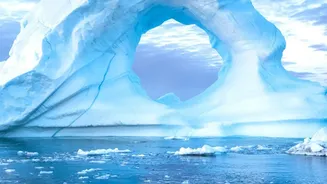
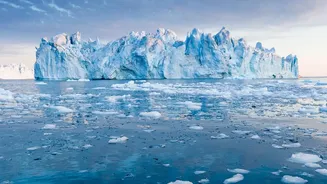
On August 4, 2026, satellite imagery confirmed what scientists had been anticipating for years: a massive fracture in the Petermann Glacier had finally given way. A section of its floating ice tongue, measuring approximately 76 square kilometres, detached
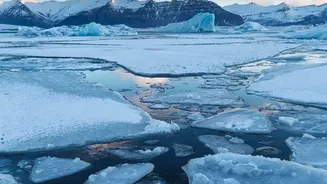
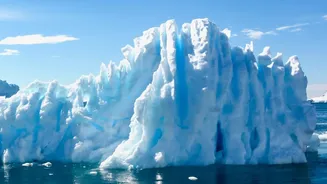
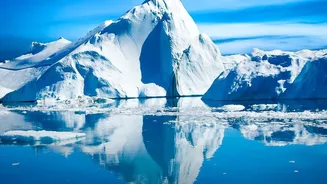
to form a new, free-floating iceberg. To put its scale into perspective, the newly formed ice island is roughly the size of Manhattan and is estimated to be up to 150 metres thick. The European Space Agency noted it as the glacier's most significant loss of ice since 2012 and the largest single calving event in the entire Arctic since 2020. Researchers had been monitoring growing cracks and signs of instability since 2019, making the break remarkable, but not surprising.
What is the Petermann Glacier?
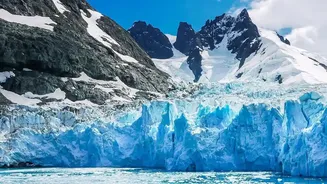
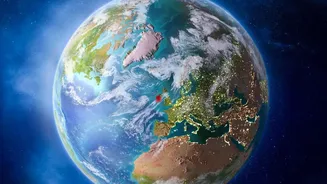
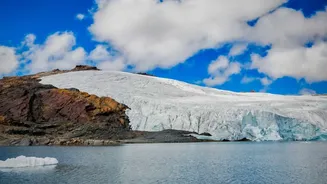
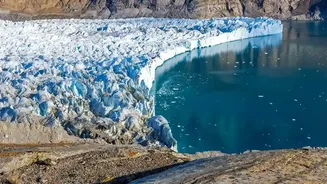
Petermann is one of Greenland's largest and most significant glaciers, acting as a crucial drainage channel for the island's massive interior ice sheet. It is distinguished by its long floating ice tongue, a vast platform of ice that extends from the land and floats on the surface of a deep fjord. This tongue, which was once one of the longest in the Northern Hemisphere, acts like a cork in a bottle, providing a buttressing effect that slows the flow of ice from the land into the ocean. When large sections of this tongue break off, as they did in this event and previously in 2010 and 2012, this braking effect is weakened, potentially accelerating the glacier's contribution to sea-level rise.
The Journey Begins
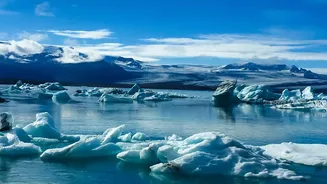
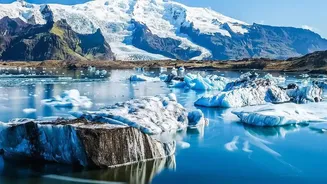
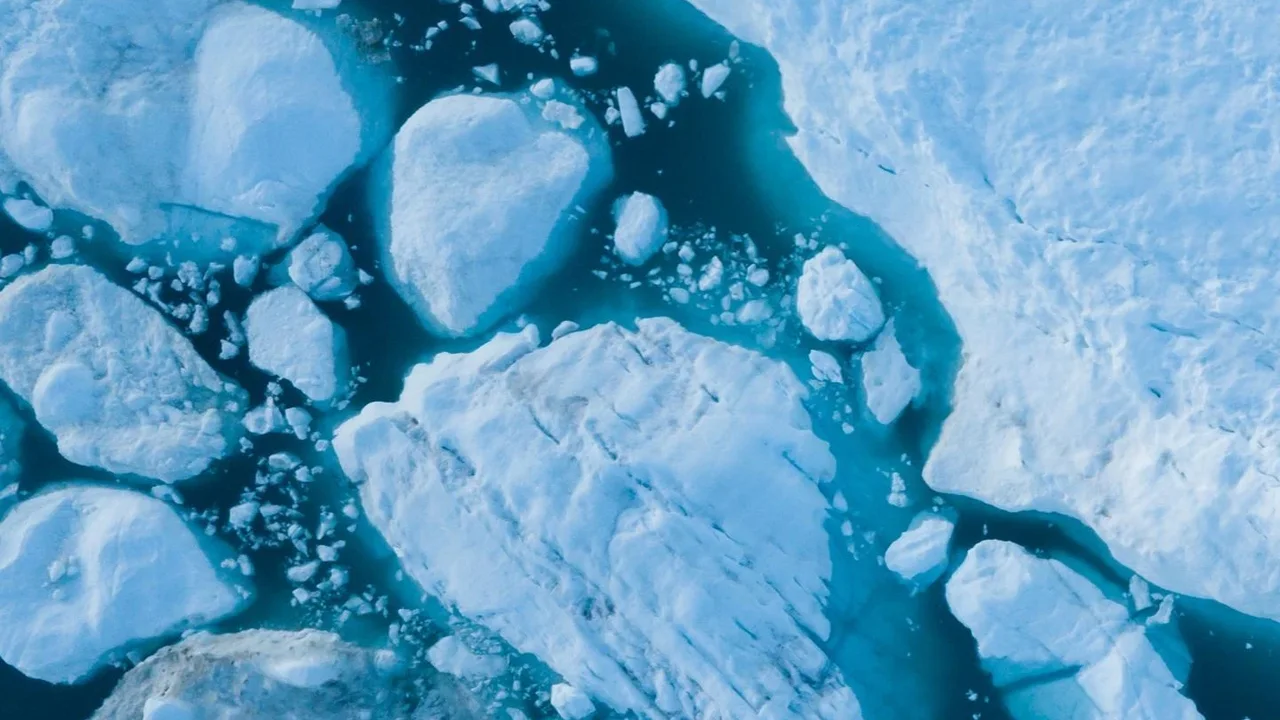
The new ice island has already begun its slow but steady journey. Carried by ocean currents, it will drift south from the glacier's fjord and into the Nares Strait, a narrow channel between Greenland and Canada. From there, its path will likely take it into Baffin Bay and eventually the North Atlantic Ocean. This journey is fraught with peril, both for the iceberg and for maritime activity. As the massive berg travels, it will gradually fracture into smaller, more difficult-to-track pieces, posing a significant hazard to shipping lanes and offshore infrastructure for years to come. The Canadian Ice Service is actively monitoring the iceberg's trajectory to assess these potential risks.
A Signal of a Warming World
While glacier calving is a natural process, the scale and frequency of these events at Petermann are a cause for concern among scientists. The instability is driven by the dual impact of a warming planet. Warmer ocean waters are melting the base of the ice tongue from below, while rising air temperatures melt it from the surface. This combined assault weakens the ice, making it more susceptible to large-scale fractures. This event, therefore, is more than just a spectacular geological occurrence; it serves as a clear and visible indicator of the profound impact of climate change on the Arctic. Scientists have also warned that this may not be the end, as other large rifts in the remaining ice tongue suggest two more large islands could break away in the near future.
Why an Arctic Event Matters in India
What happens in the Arctic doesn't stay in the Arctic. The Greenland Ice Sheet is the single largest contributor to global sea-level rise today. Every ton of ice that melts or breaks off and enters the ocean adds to the global water volume. If the entire Greenland Ice Sheet were to melt, it holds enough water to raise global sea levels by over 7 metres, or about 23 feet. While that is a long-term scenario, the current accelerated melting has direct consequences. Rising sea levels increase the frequency and severity of coastal flooding for hundreds of millions of people worldwide, including in densely populated coastal regions across India. Events like the Petermann calving are a direct link in a chain that connects the frozen north to shorelines everywhere.