




The Rise of the Micro-Cation
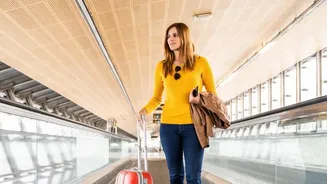
For years, the ultimate holiday was seen as a long, sprawling affair. But a significant shift is underway. Travellers are increasingly embracing the “micro-cation”—a shorter trip of about four to five days, often tacked onto a long weekend. This trend
is driven by a desire to take more frequent breaks throughout the year rather than waiting for one single annual holiday. According to a 2027 trends report by Hilton, time has become one of our most valuable resources, prompting travellers to fit smaller, easier-to-plan trips into their busy lives. Rather than seeing this as a compromise, travellers are finding that these shorter bursts of travel can be just as enriching, helping to regularly break from routine and reduce stress.
From Sightseeing to Soul-Searching
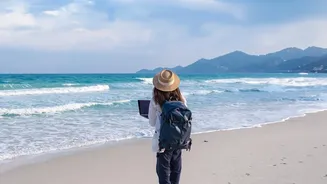
The other half of this evolution is the growing emphasis on “personal meaning.” Post-pandemic reflection has led many to question what they truly want from their time off. The answer, it seems, is no longer about ticking off a checklist of landmarks. Instead, travellers are seeking experiences that offer personal growth, wellness, and a genuine connection to their destination. A recent report notes that travel is increasingly viewed as a catalyst for personal development. This can manifest in various ways: a wellness retreat focused on resetting body and mind, a trip to learn a new skill like cooking or pottery, or simply spending quiet time in nature to recharge. The focus is shifting from what you see to how you feel, with 65% of travellers now actively seeking experiences that calm the nervous system.
What's Driving This Shift?
Several factors are fuelling this change. The rise of remote and hybrid work has untethered many from the traditional office calendar, offering more flexibility. Economic realities also play a part; shorter, domestic trips are often more budget-friendly than long-haul international journeys. There's also a growing awareness of overtourism, which is encouraging people to explore less-crowded destinations and travel during off-peak seasons, a practice that aligns well with the shorter-trip model. Ultimately, many people are tired of feeling like they need a vacation from their vacation. The pressure to have a “perfect” trip is being replaced by a desire for authenticity and rest. Travel is becoming less about performance and more about personal restoration.
What a Meaningful Micro-Trip Looks Like
So, what does this new style of travel look like in practice? It’s about quality over quantity. Instead of a whirlwind tour of multiple cities, it might mean a four-day deep dive into one neighbourhood, exploring local cafes, markets, and parks. For those in India, it could be a long weekend at an Ayurvedic retreat in Kerala, a yoga-focused getaway in Rishikesh, or a quiet hiking trip in the Himalayan foothills. It could also mean a trip centred around a specific passion, like attending a music festival, a literary fair, or a food workshop. The key is intention. These trips are planned around a personal goal, whether it's relaxation, learning, or connection. According to one report, luxury is no longer defined by expense, but by privacy, nature, and the kind of restoration that is hard to find in daily life.