




A Menu of National Pride
The fourth private astronaut mission from Axiom Space, Ax-4, is not just a scientific endeavor but also a cultural one. The crew features astronauts from four different nations: Commander Peggy Whitson from the U.S., Pilot Shubhanshu Shukla from India,
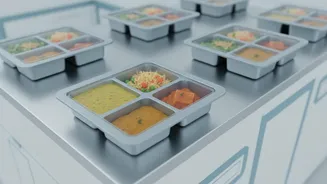
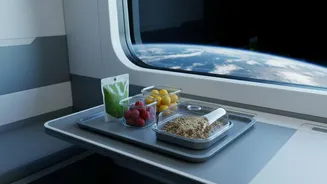
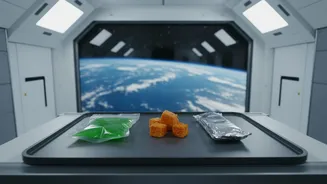
and Mission Specialists Sławosz Uznański of Poland and Tibor Kapu of Hungary. Fittingly, their menu is a culinary tour of the globe. Shukla, a Group Captain in the Indian Air Force, brought along moong dal halwa, carrot halwa, and mango nectar. His Polish crewmate Uznański worked with a celebrity chef to pack pierogis and a hearty stew, while Kapu opted for spicy Hungarian paprika pastes and a specially made 'space chocolate'. These choices provide psychological comfort and a taste of home, which is crucial for morale during missions far from Earth.
The Zero-Gravity Problem
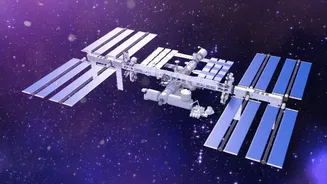
Before any food can be approved, it must be proven safe for the unique environment of the International Space Station (ISS). In microgravity, simple things become major hazards. For example, you can't have bread because crumbs would float away, potentially clogging critical air vents and equipment. This is why astronauts often use tortillas instead. Similarly, salt and pepper are used in liquid form to prevent tiny grains from floating into an astronaut's eyes or sensitive machinery. Liquids themselves are usable because surface tension keeps them bound to their packaging. Another surprising challenge is the absence of refrigerators, which are impractical because the heat they generate wouldn't dissipate properly in zero gravity, creating dangerous hot spots. As a result, all food must be shelf-stable.
The Gauntlet of Certification
Every food item destined for the ISS goes through a demanding certification process overseen by NASA and its partners. Foods are typically either freeze-dried (rehydrated with water in space) or 'thermostabilized'—heat-processed in a pouch to destroy any harmful microbes, much like canned goods on Earth. The process ensures a shelf life of at least two years, a necessity for long-duration missions without frequent resupply. Items are tested for nutritional stability, as vitamins like folic acid and thiamin can degrade over time. They also undergo sensory evaluation to make sure they remain palatable, as 'menu fatigue' from a repetitive diet is a significant psychological hurdle for astronauts. Even the packaging is engineered to be lightweight, easy to use, and safe.
Taste, Spice, and Everything Nice
Even after passing certification, there's another twist: food often tastes bland in space. The fluid shift that occurs in an astronaut's body in microgravity causes congestion, similar to having a cold, which dulls the sense of smell and, by extension, taste. This is why astronauts often crave spicy, intensely flavored foods. Tibor Kapu noted this when explaining his choice of spicy Hungarian pastes, adding that they help make food more enjoyable when salt intake is reduced for bone health. Food scientists at Axiom Space and NASA work with astronauts in tasting sessions to select meals that are not only safe and nutritious but also flavorful enough to be appealing in orbit. So, while an astronaut can't just request their favorite dish, their preferences are a key factor in selecting from the pre-approved list of options, balancing personal taste with the unyielding laws of physics and food science.