



Why the Lunar South Pole?
The choice of the Moon's South Pole is no accident. This region is a scientific goldmine, offering two critical resources that are scarce elsewhere on the lunar surface: near-continuous sunlight and water ice. Unlike the Apollo landing sites, which endured
long, dark, and frigid lunar nights, the rims of some craters at the South Pole are bathed in sunlight for the majority of the day. This provides an invaluable source for solar power, essential for running a long-term outpost. Even more tantalizing are the permanently shadowed regions within these craters, which are among the coldest places in our solar system. Scientists believe these dark, frigid pockets hold significant deposits of water ice, a resource that could be harvested to provide drinking water, breathable air (by splitting it into hydrogen and oxygen), and even rocket propellant. This concept, known as In-Situ Resource Utilization (ISRU), is a cornerstone of the plan, as it would drastically reduce the cost and complexity of resupplying the base from Earth.
The Blueprint for Artemis Base Camp
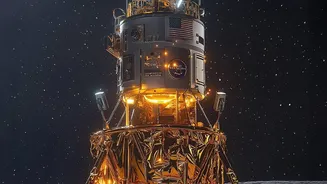
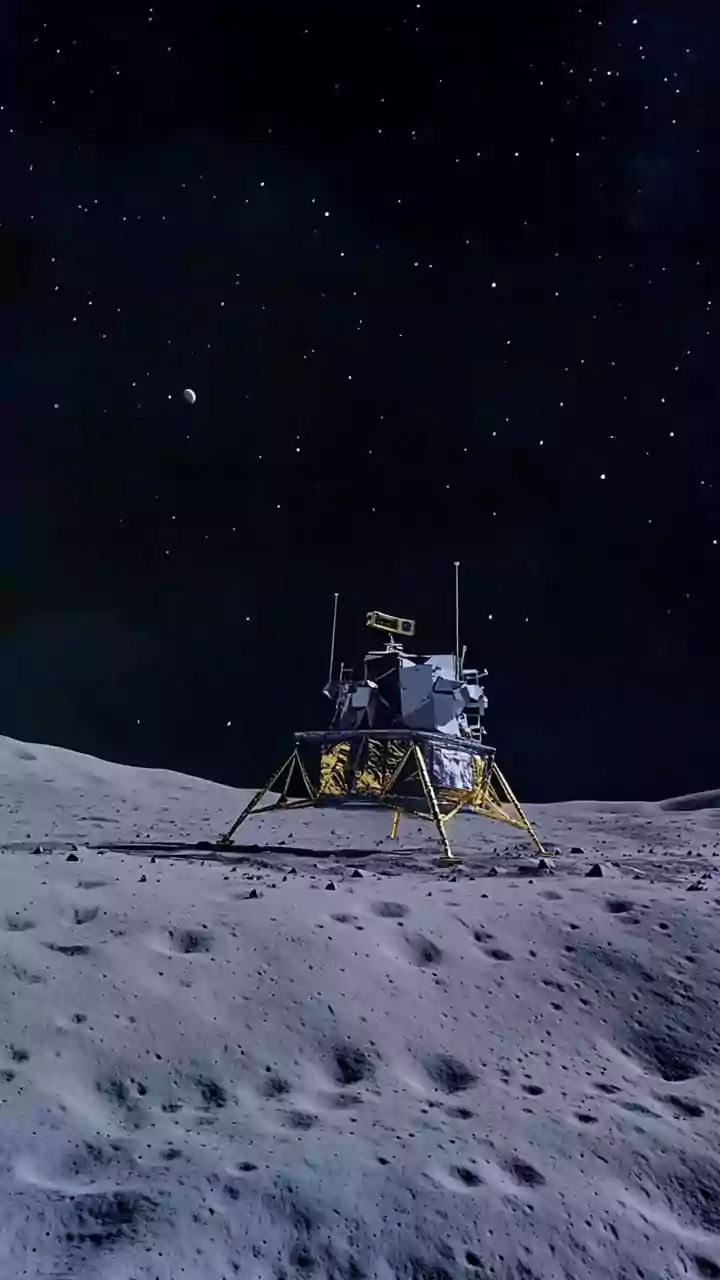
So, what will this lunar outpost actually look like? NASA's vision for the 'Artemis Base Camp' is a modular, evolving settlement built up over several missions. It’s not a single structure but a collection of essential systems working together. The initial core elements include a foundational surface habitat, a sort of lunar cabin designed to house up to four astronauts for extended stays of a month or more. Mobility is also key. Plans call for an unpressurized Lunar Terrain Vehicle (LTV), akin to an advanced, open-top jeep, allowing astronauts in spacesuits to explore the surrounding area. For longer-range expeditions, a pressurized rover, essentially a mobile habitat or 'camper van', is also planned. This vehicle, being developed with the Japan Aerospace Exploration Agency (JAXA), would allow two astronauts to live and work on trips lasting up to 30 days, far from the main base. Finally, a reliable power system is needed to survive the darkness, with NASA exploring advanced solar power storage and even a small nuclear fission unit.
A Phased, Multi-Mission Rollout
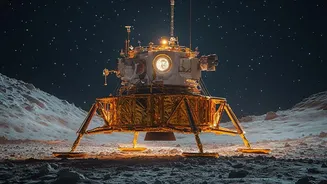
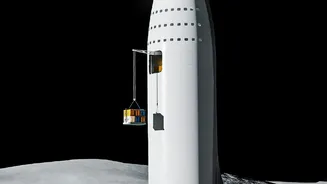
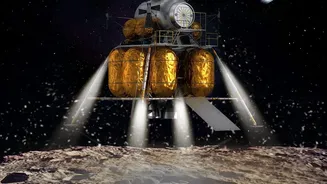
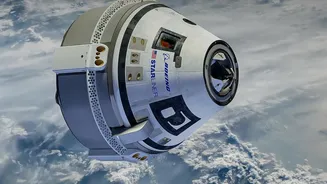
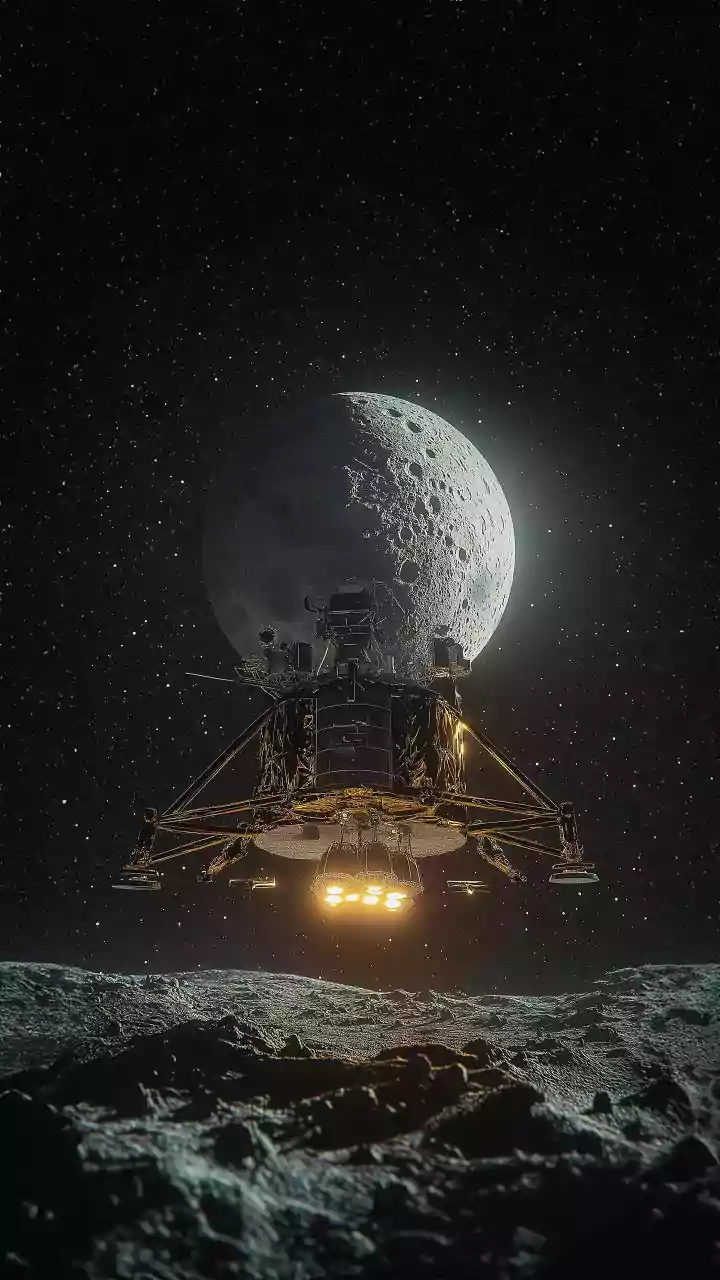
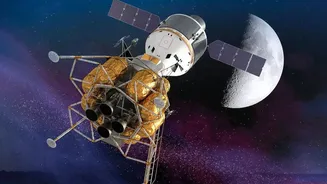
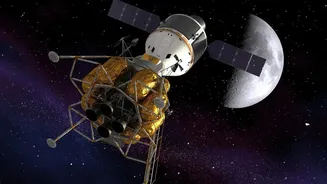
Building a base on another world doesn't happen overnight. The strategy is incremental, with each Artemis mission building upon the last. Following the successful uncrewed Artemis I and crewed Artemis II flyby missions, the program has been updated to reduce risk. Artemis III, now scheduled for 2027, will be a mission in low-Earth orbit to test the crucial docking procedures between the Orion spacecraft and the commercial lunar landers being built by partners like SpaceX and Blue Origin. The first human landing since 1972 is now targeted for Artemis IV in early 2028. The first steps toward building the base are slated to begin with Artemis V later in 2028. NASA aims to establish a cadence of crewed landings about once or twice a year thereafter, delivering more infrastructure, scientific equipment, and personnel to gradually expand the base's capabilities. This phased approach relies heavily on commercial and international partnerships to deliver cargo and develop key technologies, distributing the cost and accelerating the timeline.
Overcoming Immense Challenges
Establishing a foothold on the Moon is one of the greatest engineering challenges humanity has ever faced. The environment is relentlessly hostile. The lunar surface is covered in regolith, a fine, abrasive dust that is electrostatically charged and highly toxic. It can damage equipment, clog seals, and pose serious health risks to astronauts. The temperature swings are dramatic, and without an atmosphere, radiation from space is a constant threat. Power generation is a significant hurdle, as even the most sunlit areas experience periods of darkness that require robust energy storage solutions. Every system, from life support to rovers, must be designed for extreme reliability and maintainability, as a single failure in the fragile supply chain could become a crisis. These challenges, however, are also drivers of innovation, pushing advancements in robotics, power systems, and sustainable living technologies that will not only enable life on the Moon but also have applications back on Earth.