

India's Land of the Rising Sun
Tucked away in the Anjaw district, near the tri-junction where India, Myanmar, and China meet, lies the picturesque Dong Valley. Its geographical claim to fame is not just marketing hype; its position on India's extreme eastern longitude means it is scientifically
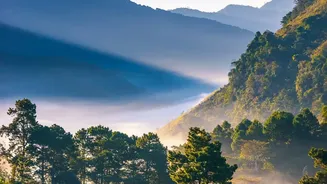
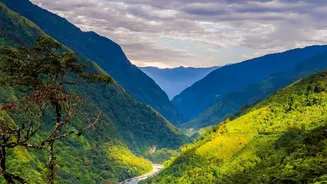
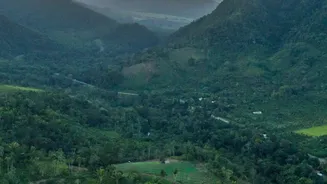
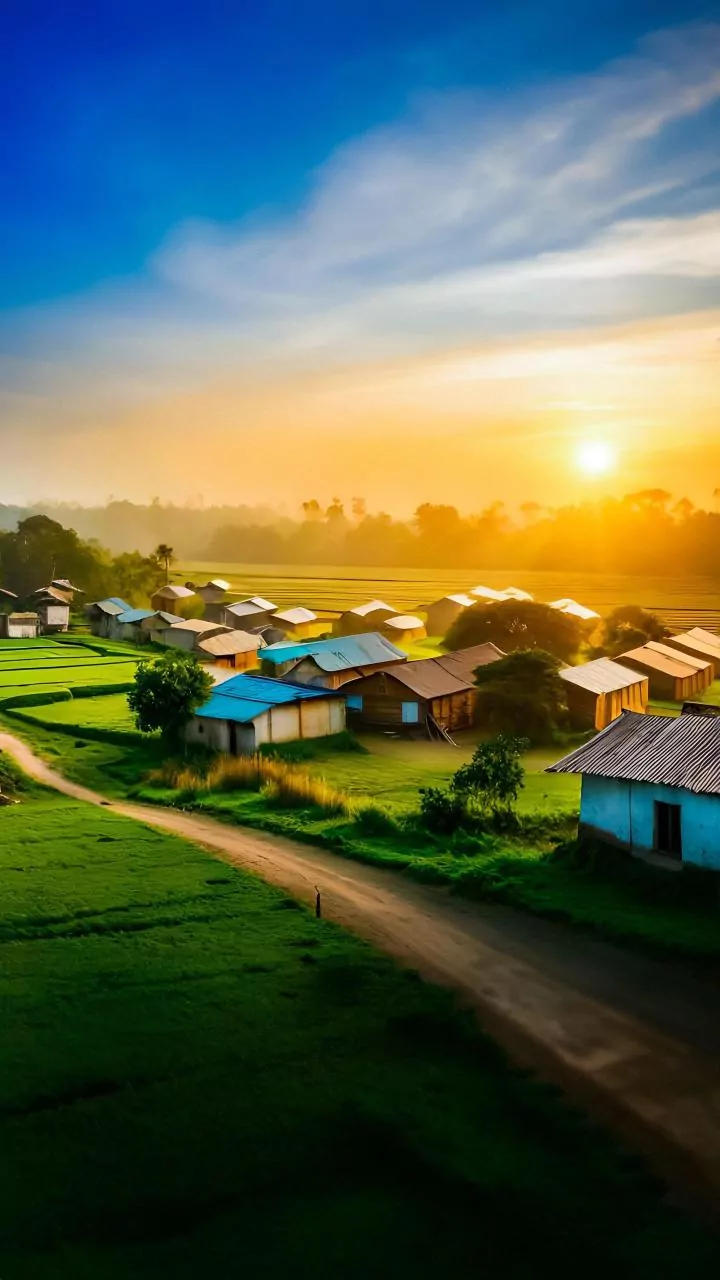
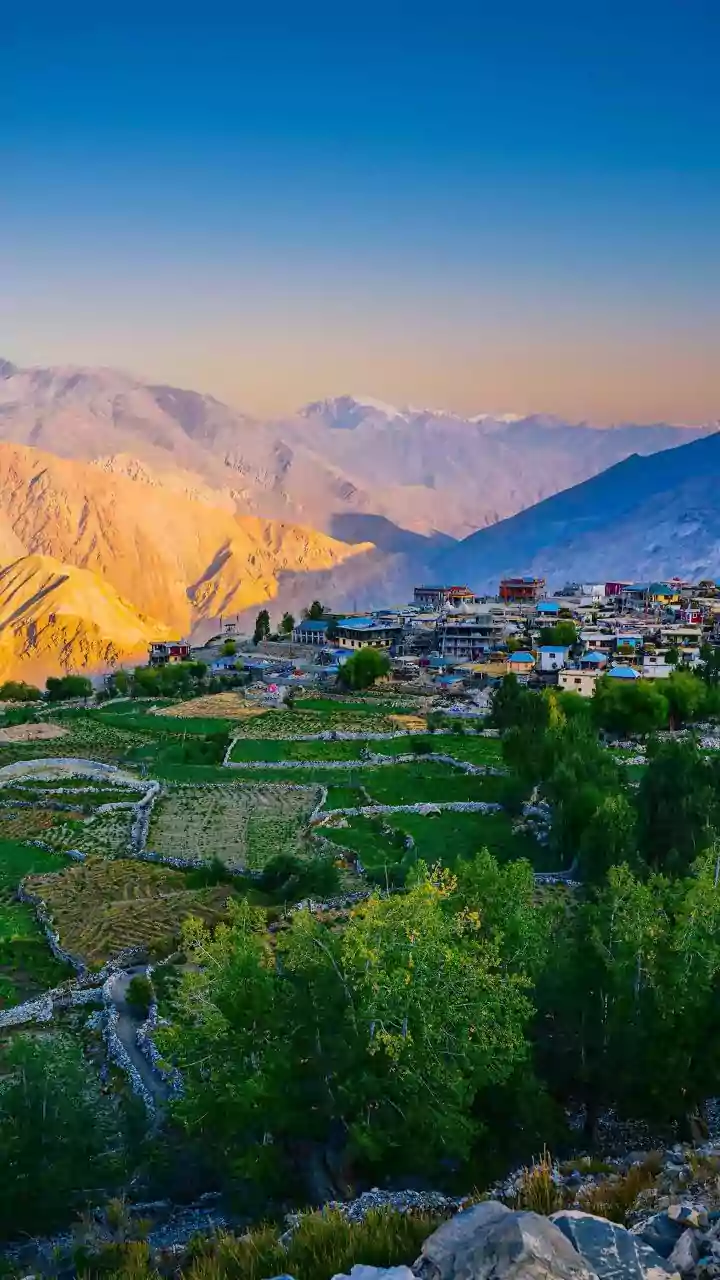
the first inhabited place in the country to be kissed by the morning sun. This unique distinction was officially recognised around the turn of the millennium, which brought a brief flash of global attention to this otherwise secluded hamlet, home to the Meyor tribe. The main village, with a population of just a few families, sits on the bank of the Lohit River, surrounded by soaring mountains and dense pine forests, creating a landscape of immense natural beauty.
The Journey to the Frontier
Reaching Dong Valley is an adventure in itself, typically starting from Dibrugarh in Assam, which has the nearest major airport and railway station. From there, it's a multi-day road journey into Arunachal Pradesh. The drive takes you through Tezu, the last major town with reliable services, and then to Hayuliang, which has the last ATM on the route. The final base for the trek is the small cantonment town of Walong. Travellers must plan ahead, as accommodation here is limited to a few government guesthouses and local homestays, which offer a basic but authentic experience. Securing a room in advance, especially at the PWD Guest House in Tilam right at the trailhead, can save you a walk in the dark.
The Midnight Trek
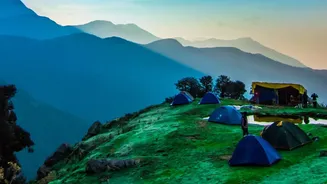
The trek to the sunrise viewpoint is what makes the experience so memorable. The journey begins in the dead of night, typically around 2 a.m., to ensure you reach the summit in time. It is a short but steep guided hike, around 8 kilometres, that takes roughly two hours to complete. Armed with headlamps and clad in warm layers to combat the pre-dawn chill, trekkers ascend through fragrant pine forests and open meadows under a canopy of stars. While some choose to hike up and down the same morning, others opt to camp overnight at the viewpoint for a more immersive experience. A local guide is considered essential for navigating the trail in complete darkness.
The Spectacle at Dawn
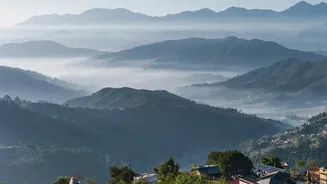
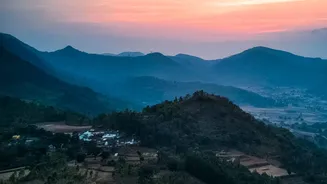
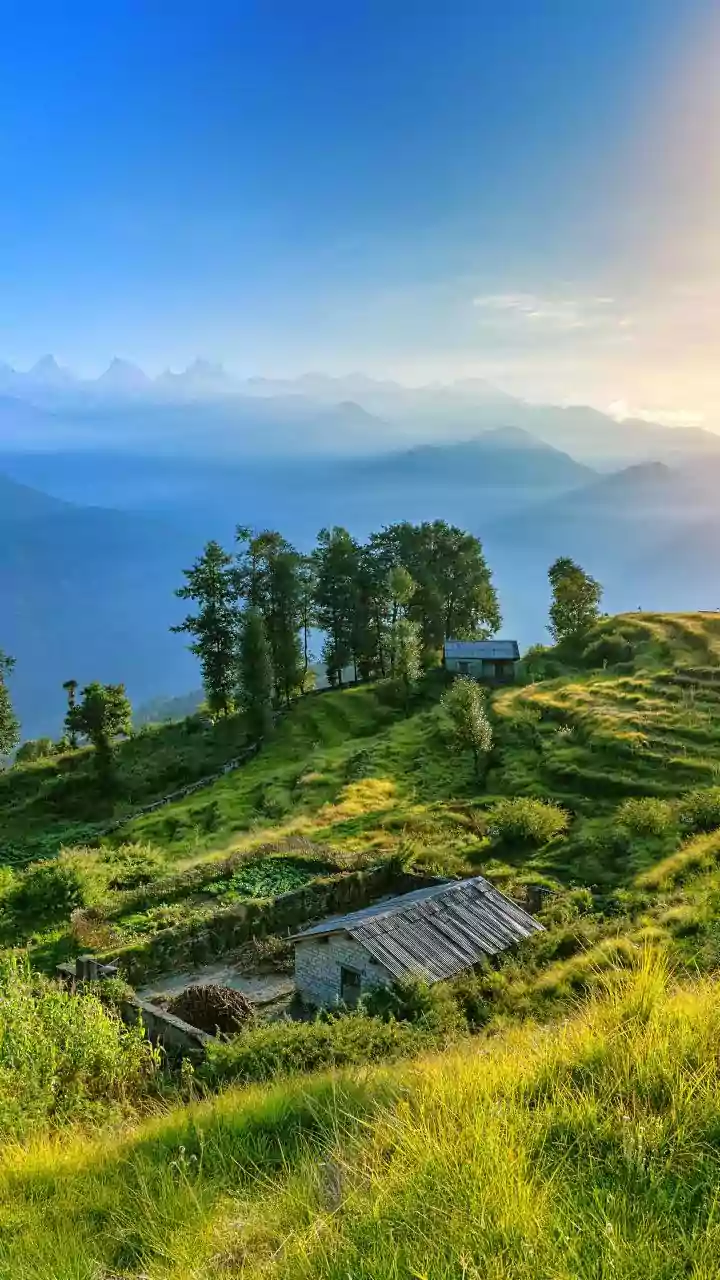
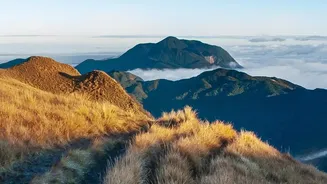
The reward for the early start is a breathtaking panoramic view from a ridge elevated at 1,240 metres. As dawn approaches, around 4:30 a.m., you can watch the first rays of the sun illuminate the snow-capped peaks in the distance, painting them in golden hues. Below, the valley remains draped in mist, with the stunning confluence of the Lohit and Sati rivers slowly revealing itself. This vantage point offers a unique perspective of three countries unfolding before you. The serene, otherworldly beauty of the moment, far from the hustle of modern life, is what travellers describe as the true highlight of the trip, making the strenuous climb entirely worthwhile.
How to Plan Your Visit
The best time to visit Dong Valley is between October and May, when the weather is pleasant and the skies are generally clear, offering optimal visibility for the sunrise. The monsoon months, from June to September, are best avoided due to heavy rain and the risk of landslides. Indian nationals require both an Inner Line Permit (ILP) and a Protected Area Permit (PAP) to visit this border region, which should be arranged well in advance. Essentials to pack include multiple copies of your permits, sufficient cash withdrawn at Hayuliang, very warm clothing, a reliable headlamp or torch with extra batteries, and sturdy trekking shoes. Mobile networks are unreliable past Hayuliang, so it’s wise to inform someone of your itinerary before you head into this remote region.