


What Are Plastic Notes?
Unlike the current paper notes made from cotton fibre, the proposed banknotes are crafted from a thin, flexible plastic called Biaxially Oriented Polypropylene (BOPP). Often called polymer notes, this material was first introduced commercially in Australia
in 1988 and is now used by over 60 countries, including the UK and Canada. The primary motivation for the switch is durability. Polymer notes are non-porous, meaning they don't absorb water, oil, or dirt. This makes them far more resilient to wear and tear, especially in India's diverse and often humid climatic conditions.
A Long and Winding Road to Trial
The idea of plastic currency in India is not new. The Reserve Bank of India first floated the concept back in 2009, with a plan to introduce one billion ₹10 polymer notes. By 2012, a pilot was planned for five cities with varying climates—Kochi, Mysuru, Jaipur, Shimla, and Bhubaneswar—to test their resilience. However, due to various challenges, including technological hurdles and shifting priorities after demonetisation in 2016, the project never moved beyond the planning stage. This new approval from the Centre marks the most concrete step forward in over a decade, reviving the ambitious plan to modernise India's physical cash.
The Case for Polymer Currency
The RBI's primary argument for polymer notes is their significantly longer lifespan. International studies and experiences from other countries show that plastic notes can last between 2.5 to 4 times longer than their paper counterparts. For denominations like ₹10 and ₹20, which change hands frequently and get worn out quickly, this increased durability could lead to substantial long-term savings in printing and replacement costs. Another major advantage is security. Polymer substrates allow for advanced anti-counterfeiting features that are difficult to replicate, such as transparent windows and complex holographic elements. This could be a crucial tool in the fight against fake currency. Finally, they are cleaner and more hygienic as they do not absorb moisture and can be wiped clean.
What Happens Next in the Pilot?
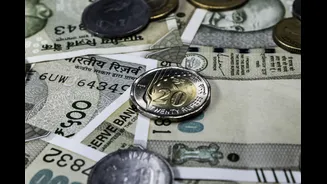
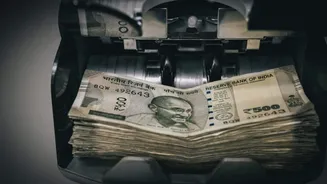
The government has approved the RBI's proposal for a field trial involving one billion pieces each of ₹10 and ₹20 polymer notes. This pilot is designed to assess how these new notes perform under real-world Indian conditions before any decision on a wider rollout is made. Minister of State for Finance Pankaj Chaudhary clarified in the Lok Sabha that there is no proposal to replace all paper currency. If the pilot is successful, polymer banknotes will be issued alongside the existing paper notes, not as a replacement. This means citizens will likely see both types of notes in circulation for the foreseeable future, complementing each other and the country's expanding digital payment systems.
Potential Hurdles and Concerns
Despite the benefits, the transition is not without challenges. The initial manufacturing cost of polymer notes is higher than that of paper notes, though this is expected to be offset by their longer life. There are also logistical considerations, such as the potential need to recalibrate ATMs and cash-counting machines to handle the new material. Some users in other countries have noted that the notes can feel slippery or may deform if exposed to extreme heat. The RBI will be closely monitoring all these factors during the field trial to determine the overall feasibility and cost-effectiveness of a broader implementation across the country.