


Another Year, Another Low
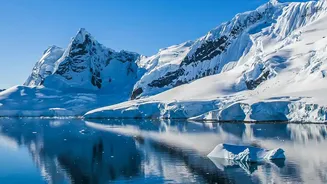
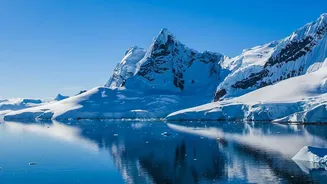
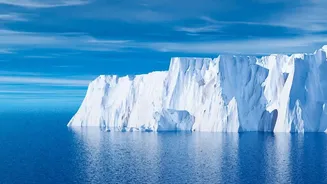
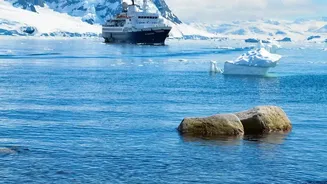
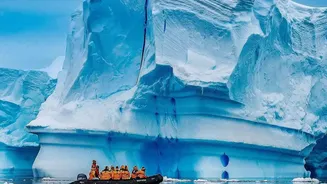
This September, as winter in the Southern Hemisphere drew to a close, the sea ice floating around Antarctica reached its maximum extent for the year. But it was no cause for celebration. Data confirmed it was the third-lowest winter peak since satellite
records began in 1979. The ice covered about 17.59 million square kilometres, which sounds vast, but is a staggering one million square kilometres less than the long-term average—an area roughly twice the size of Spain is missing. More concerning is the pattern: the four lowest winter ice maximums have all occurred in the last four years. Scientists say this is a clear indication that the system has changed and that these lows are no longer a one-off event.
What is the Winter Ice Maximum?
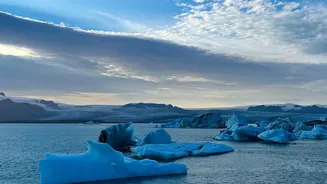
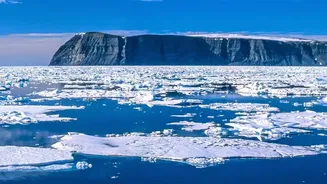
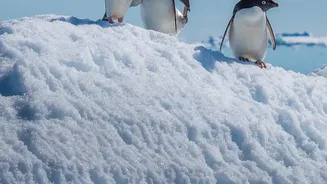
Antarctica's sea ice breathes with the seasons. During the summer, much of it melts, shrinking to its smallest size around February. As autumn and winter arrive, the frigid temperatures cause the ocean surface to freeze and expand outwards, reaching its greatest extent—the winter maximum—typically in late September. This vast sheet of floating ice is crucial. It acts as a gigantic mirror, reflecting the sun's energy back into space, which helps to keep the planet cool. It also serves as a critical habitat for wildlife, from the krill that form the base of the food web to the penguins and seals that rely on the ice for breeding and hunting.
Why is This Happening?
For decades, Antarctic sea ice was a puzzle. Unlike the Arctic, where ice has been in a steep decline for years, the southern ice cover was relatively stable, and even grew slightly. But since 2016, that trend has dramatically reversed. Scientists believe a combination of factors is at play. Warmer ocean water, driven by global climate change, is now reaching Antarctica and melting the ice from below. Changes in strong westerly winds that circle the continent are also playing a role, pushing ice around and bringing warmer, deeper ocean water to the surface. While natural climate patterns like El Niño can influence the ice in any given year, the consistent run of record-low years suggests a more fundamental shift is underway.
A Ripple Effect Across the Globe
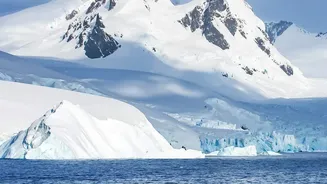
What happens in Antarctica does not stay in Antarctica. The loss of sea ice has far-reaching consequences. With less white ice to reflect sunlight, the darker ocean absorbs more heat, creating a dangerous feedback loop that accelerates warming. While melting sea ice doesn't directly raise sea levels (as it's already floating), its absence has a critical knock-on effect. The sea ice acts as a protective buffer for the colossal land-based ice shelves that fringe the continent. Without it, these shelves are exposed to warmer ocean water and destructive waves, making them more vulnerable to melting and collapse. It is the melting of this land-based ice that poses a dire threat to global sea levels, impacting coastal communities everywhere, including India's extensive coastline.
A 'Now Problem'
The scientific community is watching with concern, moving from viewing this as a future possibility to a current reality. The persistent lows suggest the continent may have tipped into a new, less stable state. This isn't just a physical change; it's a biological one, too. The loss of ice is already affecting krill populations, which in turn impacts the entire Antarctic food web, including whales, seals, and penguins. Researchers are now racing to understand how sensitive the entire global climate system is to this rapid loss of Antarctic ice. The consensus is clear: the alarm bells ringing at the South Pole are a warning for the whole planet.