






A High-Speed Spiritual Corridor
The latest expansion plan for the Vande Bharat network reportedly includes a significant new route connecting Delhi to Varanasi. While a service already exists, the new proposal focuses on a dedicated high-speed corridor that could slash travel time even
further. Currently, the journey takes approximately eight hours. The goal of the new infrastructure is to bring this down to under six hours, making a same-day return trip a feasible option for business travellers and pilgrims alike. This route would serve as a vital artery, linking the country's political and commercial centre with its spiritual capital. By prioritising this corridor, Indian Railways aims to bridge distances not just physically, but also culturally, making the sacred city more accessible than ever before.
The Vande Bharat Experience
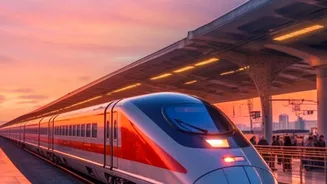
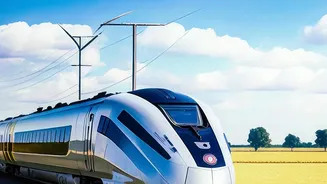
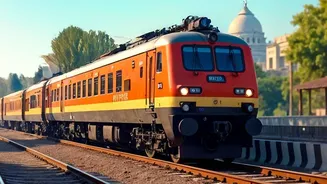
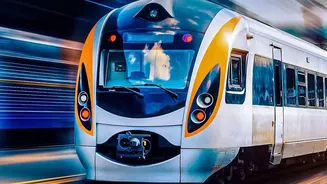
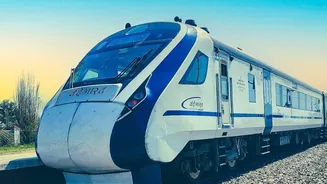
What makes this prospect so exciting is the Vande Bharat train itself. These sleek, semi-high-speed trains have become synonymous with a modern, comfortable, and efficient travel experience. Passengers on the new Delhi-Ganga route can expect chair-car services in both AC Chair Car and Executive Class configurations. The trains are designed for speed and comfort, boasting superior acceleration that reduces journey times. Onboard, travellers can enjoy amenities like GPS-based passenger information systems, bio-vacuum toilets, and Wi-Fi services. The large windows offer panoramic views, a feature that will surely be appreciated as the landscape shifts from the urban sprawl of Delhi to the historic plains of Uttar Pradesh. Safety is also a key feature, with the indigenously developed Kavach (Train Collision Avoidance System) being integrated into the new fleets.
Boosting Pilgrimage and Tourism
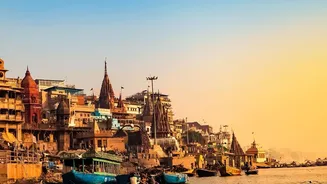
Varanasi is one of the oldest living cities in the world, drawing millions of pilgrims and international tourists annually. However, travel to the city can often be time-consuming. A faster, more reliable Vande Bharat service would be a massive boon for the tourism sector. It would enable weekend spiritual retreats for residents of the National Capital Region and make multi-city tours more appealing for international visitors. Travel agents and hospitality providers in Varanasi are anticipating a significant uptick in footfall. A more accessible city means more demand for hotels, guides, and local crafts, providing a direct stimulus to the regional economy. This enhanced connectivity empowers pilgrims to undertake the sacred journey with greater ease and comfort, potentially encouraging more frequent visits.
Economic Ripple Effects
The benefits of such a route extend far beyond tourism. Major infrastructure projects like this have a powerful ripple effect on the local economy. The development of a high-speed rail corridor stimulates ancillary industries, from manufacturing and construction to services and logistics. Intermediate cities and towns along the route, such as Prayagraj and Kanpur, would also experience enhanced connectivity. This can attract investment, create jobs, and foster regional development. For business travellers, a sub-six-hour journey makes day trips for meetings a practical reality, fostering stronger economic ties between Delhi and the commercial centres of Uttar Pradesh. The movement of goods could also see a potential shift, as faster rail services offer a reliable alternative to road transport for certain types of cargo.