







An Ocean Running a Fever
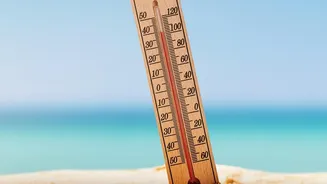
The Indian Ocean is warming at a rate faster than any other tropical ocean. Recent years have seen sea surface temperatures reach unprecedented highs, with large swathes of the Arabian Sea and the Bay of Bengal experiencing prolonged marine heatwaves.
These are not fleeting spikes but sustained periods where the water is significantly warmer than the historical average. Scientists from institutions like the Indian Institute of Tropical Meteorology have noted that temperatures in the Arabian Sea have risen by as much as 1.2 to 1.4 degrees Celsius in recent decades, a considerable jump compared to global ocean warming. This relentless heating, fueled by global climate change and intensified by phenomena like El Niño, is fundamentally altering the marine environment.
A Crisis for Coastal Fisheries
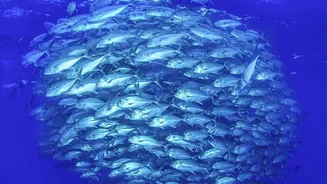
For India's more than four million fishers, warmer seas mean emptier nets. Commercially vital species like oil sardines and mackerel are temperature-sensitive and are moving away from traditional coastal fishing grounds into deeper, cooler waters. This forces fishermen to travel farther from shore, increasing their fuel costs and exposing them to greater dangers. Studies have documented a steep decline in Kerala's sardine catch as sea temperatures exceed the species' optimal range. The problem is compounded by the impact of warming on the very base of the food chain. Phytoplankton populations in the Indian Ocean have dropped significantly, meaning there is less food available for the fish that larger commercial species, and human communities, depend on.
More Frequent and Fierce Cyclones
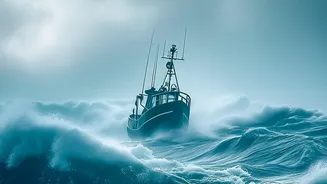
Warmer oceans provide more fuel for tropical storms, making them more intense and longer-lasting. The Arabian Sea, historically calmer than the Bay of Bengal, has seen a dramatic increase in cyclone activity. Studies show a 52% rise in the frequency of cyclonic storms in the Arabian Sea between 2001 and 2019, with their duration increasing by 80%. These powerful storms not only pose a direct threat to the lives of those in coastal communities but also destroy fishing boats and critical infrastructure. The trend of cyclones rapidly intensifying—growing from a lower category to a major storm in less than 24 hours—is a particularly dangerous development linked to the increased heat energy in the ocean.
Coral Bleaching and Ecosystem Collapse
Beyond the immediate economic impact on fisheries, record sea temperatures are causing catastrophic damage to marine ecosystems. Coral reefs, which act as vital nurseries for countless fish species, are exceptionally vulnerable. When water temperatures remain too high for too long, corals expel the algae living in their tissues, causing them to turn white—a phenomenon known as coral bleaching. A single marine heatwave event bleached up to 85% of corals in the Gulf of Mannar. Widespread coral death destroys critical fish habitats, further reducing fish stocks and undermining the long-term health of the ocean. This loss of biodiversity has cascading effects, disrupting the entire marine food web.
The Human and Economic Ripple Effect
The impacts of rising sea temperatures ripple outwards, affecting food security, employment, and the stability of coastal communities. The decline in fish catch directly threatens the livelihoods and nutritional security of millions who depend on fish as a primary source of protein. Research has already shown a link between marine heatwaves and increased unemployment in coastal India. As traditional fishing becomes less viable, it places immense strain on local economies. Furthermore, with nearly a third of India's coastline experiencing erosion, the combination of sea-level rise and more intense storm surges fueled by ocean heat puts homes, businesses, and infrastructure at ever-increasing risk.