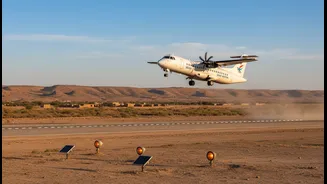










What Was the UDAN Promise?
Launched in 2016, the Ude Desh ka Aam Nagrik (UDAN) scheme was a game-changer. The goal was simple but ambitious: connect India’s underserved and unserved towns and make flying accessible to the common citizen. Airlines were given subsidies, known as Viability
Gap Funding (VGF), to operate on routes that wouldn't otherwise be profitable. In return, they had to offer a number of seats at capped, affordable fares—initially around ₹2,500 for a one-hour flight. For young professionals, students, and families, it promised a new era of mobility, cutting down long train and bus journeys and opening up new opportunities for work and leisure.
The Reality: Half of All Routes Grounded
Fast forward to today, and the reality is sobering. According to recent official data from July 2026, of the 669 routes made operational since 2017, only 336 are currently active. That means almost 50% of the routes that were launched are no longer flying. This mass discontinuation highlights a significant challenge in sustaining regional air travel. Airports in cities like Bidar and Kalaburagi in Karnataka, for instance, lost their daily flights once the three-year subsidy period for the airline ended, rendering the routes commercially unviable.
Why Are These Flights Stopping?
The reasons for the shutdown are a mix of economic and operational hurdles. Many routes became unprofitable for airlines once the initial three-year government subsidy ran out. Low passenger numbers on certain routes meant airlines couldn't justify the operational costs without financial support. Additionally, airlines have faced challenges like a scarcity of suitable aircraft, delays in making small airstrips ready for flights, and a lack of landing slots at major hub airports like Delhi and Mumbai, which are crucial for creating a viable network.
Your Travel Plans: What This Means for You
For young Indians, this has a direct impact. A discontinued flight could mean that a weekend trip home from your city of work is no longer feasible. It could make attending a job interview in a Tier-2 city a logistical nightmare involving overnight train journeys. The affordable flight that made it possible to explore a remote tourist destination might now be gone. This uncertainty makes planning difficult and can force you back to slower, more arduous modes of transport. It also affects the local economies and job opportunities that were beginning to sprout around these newly connected towns.
How to Navigate Regional Travel Now
With the network in flux, smart planning is more crucial than ever. First, always double-check flight availability and don't assume a route that existed last year is still active. Second, compare prices with railways. With some UDAN routes becoming more expensive or disappearing, revamped train services can be a competitive alternative. Third, consider a hub-and-spoke model for your travel: fly to the nearest major airport and then take a bus or cab for the final leg. Finally, booking well in advance and being flexible with your travel dates can help you find the best fares on the routes that are still operational.
Is This the End for UDAN?
Not quite. The government is aware of the problems and has recently launched a new phase called 'Viksit UDAN'. This revamped scheme comes with a significantly larger budget of over ₹28,000 crore and aims to address the key issues. The subsidy period for airlines is being extended from three to five years to give routes more time to become self-sufficient. The plan also includes developing 100 more regional airports and improving infrastructure to prevent the bottlenecks that plagued the earlier phases. So, while many routes have been cut, the government is doubling down on its commitment to regional connectivity.