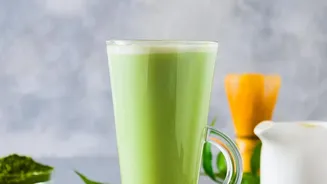










The Green Wave Hits, But It's Changing
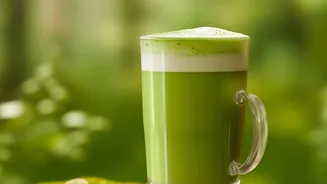
For the last few years, specialty coffee shops have been the primary gateway for Indians to discover matcha. Chains like Blue Tokai and Third Wave Coffee introduced the finely ground Japanese green tea to urban millennials, positioning it as a premium,
craft alternative to coffee. The visual appeal—that bright, unmistakable green—made it an instant hit on social media, cementing its status as a trendy, 'Instagrammable' beverage. But recent data shows a significant evolution. The initial curiosity is shifting from simply ordering a pre-made drink to understanding and creating it. According to Google Trends data from August 2026, searches for “how to make matcha” skyrocketed by 1,300% in the past year, signaling a major move from the cafe counter to the kitchen counter.
A Superfood for the Modern Indian
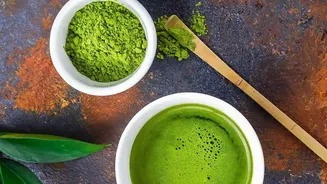
A huge driver of this deeper interest is wellness. Unlike regular green tea where leaves are steeped and discarded, with matcha, the entire leaf is consumed as a powder. This delivers a more potent dose of antioxidants, particularly EGCG, and an amino acid called L-theanine, which is known for promoting a state of calm alertness. This unique combination of caffeine for energy without the jitters associated with coffee is resonating with health-conscious consumers. The search data tells a compelling story: searches for “matcha health” increased by 1,000% and “matcha protein” by a staggering 2,500% over the past year. Queries like “matcha vs coffee” also saw breakout interest, showing that people are actively evaluating its place in their daily wellness routines.
From Barista to Home Brewer
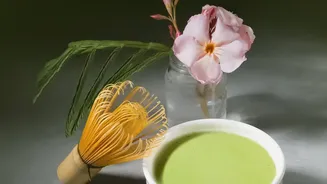
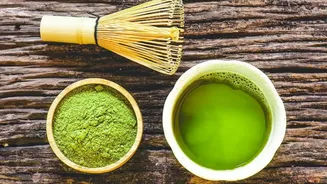
The transition to home consumption marks a pivotal moment for the trend. It suggests matcha is becoming a ritual, not just a one-off purchase. In August 2026, “matcha whisk” and “matcha bowl”—the traditional tools for its preparation—became breakout search terms. This indicates that a growing number of enthusiasts are investing in the experience of making matcha themselves. The market for matcha is growing at nearly double the rate of the broader Indian tea market, with a projected value of over USD 96 million by 2033. This growth is increasingly supported by direct-to-consumer brands that source high-quality matcha from Japanese prefectures like Shizuoka, Kagoshima, and Kyoto, making authentic products more accessible.
Beyond the Cup: A Flavour for Everything
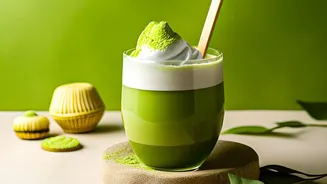
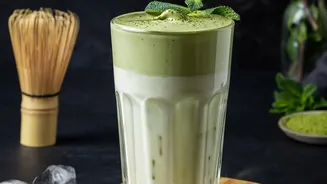
Indians are not just adopting matcha; they are adapting it. The versatility of the powder is sparking culinary creativity. Search trends show a significant rise in interest for flavoured matcha drinks, with “mango matcha” and “strawberry matcha” searches jumping 200% and 400%, respectively. These fruit-forward combinations make its earthy flavour more approachable. But the experimentation doesn't stop at drinks. The ingredient is now being used in everything from desserts and smoothies to protein bars. This move into food and even beauty—with searches for “matcha face wash” and “matcha perfume” also on the rise—shows its identity has expanded from a beverage to a full-blown lifestyle aesthetic.