

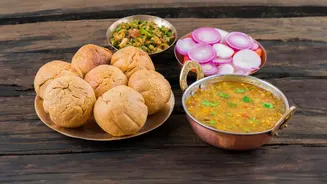
The Great Kitchen Homecoming
For a long time, the modern Indian pantry seemed to be looking outwards, embracing imported sauces, refined flours, and quick-fix meals. Now, the culinary compass is pointing firmly back home. There's a growing movement to rediscover the wisdom stored
in ancestral kitchens. This isn't just about recreating old dishes; it's a conscious shift towards ingredients and methods that are healthier, more sustainable, and deeply connected to our identity. Urban consumers who once saw traditional ingredients as old-fashioned are now seeking them out on shelves and in restaurants, from heirloom rice varieties to regional spices.
Millets: The Mighty Grains Return
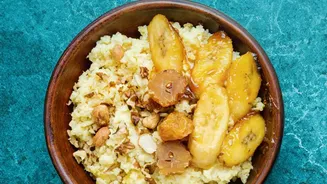
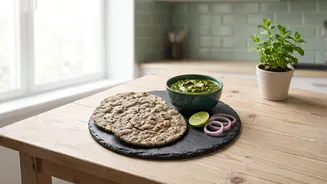
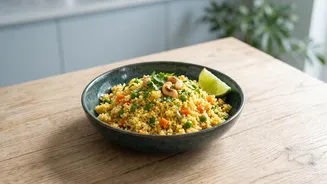
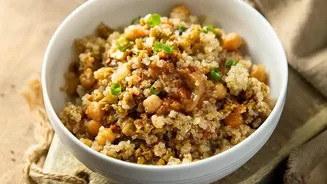
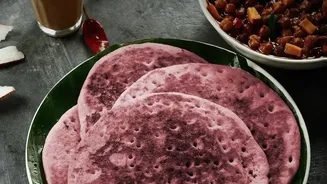
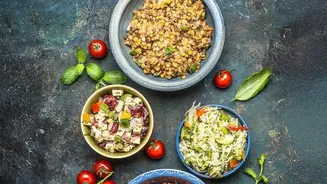
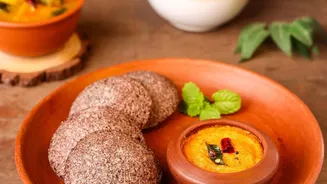
Millets are the poster child of this revival. Once dismissed as 'coarse grains' and food for rural areas, varieties like jowar, bajra, and ragi are now celebrated as superfoods. This resurgence was significantly boosted by government initiatives and the UN's declaration of 2023 as the 'International Year of Millets', following a proposal by India. Valued for being climate-resilient crops that require little water, millets are also nutritional powerhouses packed with fibre and minerals. They are no longer just for traditional rotis; they are now found in everything from breakfast cereals and dosa mixes to cookies and bread, showing up in urban grocery carts as a healthy replacement for refined flour products.
Beyond Grains: The Chutney and Pickle Chapter
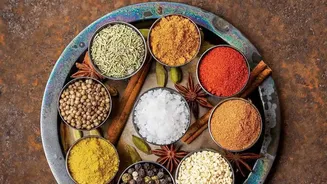
This trend extends far beyond staple grains. Homemade chutneys, pickles (achaar), and spice powders are reclaiming their place from mass-produced sauces and dips. Traditional Indian meals have always featured these accompaniments, which do more than just add a burst of flavour. Many traditional chutneys and pickles are rich in probiotics, vitamins, and antioxidants. Ingredients like ginger, garlic, amla, and turmeric, commonly used in these preparations, are known for their digestive and immune-boosting properties. As consumers become more health-conscious, they are appreciating these flavourful additions not just for their taste but for their functional health benefits.
Chefs and Consumers Driving the Change
This movement is being propelled by two key forces: a new generation of chefs and increasingly mindful consumers. Across India, innovative chefs are championing indigenous ingredients and heirloom recipes, reinterpreting them for modern palates. They are building menus around hyperlocal produce, from unique regional greens to forgotten varieties of vegetables, creating a deeper cultural connection through food. At the same time, consumers are becoming more ingredient-aware, seeking out foods that are natural, locally sourced, and offer clear health benefits. This demand for authenticity and wellness is encouraging brands to innovate with traditional ingredients in convenient, modern formats.
A Plate of Identity and Sustainability
Ultimately, the return to traditional foods is about more than just what we eat. It's a return to a more sustainable way of living. Millets and other native crops are better for the environment, promoting biodiversity and reducing water consumption. Supporting these foods often means supporting local farmers and preserving agricultural heritage that has been passed down through generations. Every meal featuring these ingredients becomes a celebration of regional identity and a vote for a food system that is kinder to the planet. Every dish tells a story, connecting us to our roots in a delicious and meaningful way.