






The Allure of Colour-Blocking
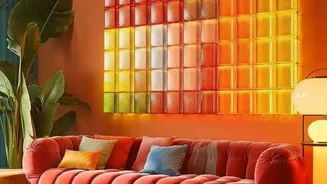
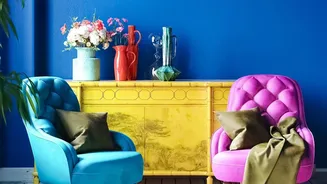
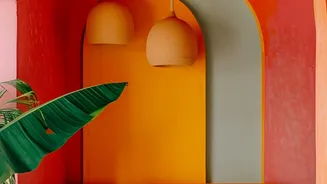
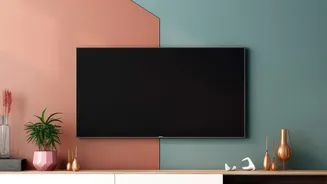
Colour-blocking is an interior design technique that uses two or more solid blocks of colour to create a bold, intentional statement. It can define a space, create a focal point, or simply inject a dose of personality into a room that feels too plain.
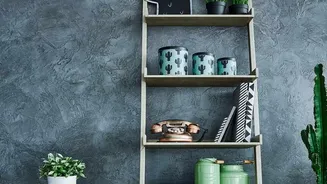
The trend has moved beyond just paint, with homeowners now exploring different materials to achieve the look. Current trends favour warm, earthy palettes like terracotta and olive green, as well as textured and 3D art, making panels a versatile option for modern Indian homes.
Removable Panels: The Simple Promise
Removable wall panels, often sold as peel-and-stick products, are pitched as the ultimate DIY solution. They come in various materials, including vinyl, fabric-covered acoustic foam, and rigid PVC, offering a range of textures and finishes. The main appeal is their supposed ease of installation and damage-free removal, making them a favourite for renters and those who love to frequently update their decor. The promise is simple: transform a wall in an afternoon with minimal mess and no long-term regrets.
Reality Check: What the Hype Skips Over
While the promise is tempting, reality can be more complicated. The biggest concern is potential wall damage. Low-quality adhesives can bond too strongly, pulling off paint or even the top layer of drywall upon removal. Conversely, some cheaper panels may have weak glue that causes edges to lift, especially in humid conditions or on walls that aren't perfectly smooth. Not all panels are truly reusable; many will lose their adhesion once peeled off. The condition and finish of your wall matter immensely—matte or flat paints are more susceptible to damage, while semi-gloss or satin finishes offer a better surface for clean removal.
Choosing the Right Panels
To avoid disappointment, smart selection is key. First, consider the material. Vinyl panels are easy to clean but be wary of those that don't explicitly state they use a removable adhesive, as some can damage walls. Fabric or acoustic panels add texture and sound absorption but may be harder to clean. Second, always check the quality. Higher-priced, reputable brands often use better adhesives designed for clean removal. If possible, order a sample to test on a small, inconspicuous area of your wall first. Let it sit for a few days before removing it to see how it affects your paint.
Installation for a Flawless Finish
Proper preparation is the secret to a professional-looking result. Start by cleaning your wall thoroughly to remove any dust or grime, as this can interfere with adhesion. The wall must be completely dry and smooth. If your paint is fresh, wait at least three to four weeks for it to fully cure before applying any panels. When you're ready to install, measure your layout and mark it lightly with a pencil. When applying peel-and-stick panels, pull the backing off slowly as you smooth the panel onto the wall to avoid air bubbles. For a clean removal later, pull gently and slowly at a 45-degree angle.
Designing Your Colour-Blocked Wall
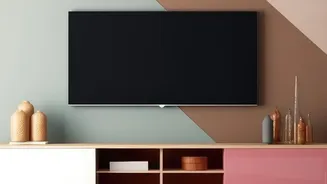
The creative possibilities are endless. For a subtle look, you can create a two-tone effect by applying panels to the bottom half of a wall. To create a focal point, arrange panels in a geometric pattern behind a sofa or bed. Don't be afraid to mix textures—a set of soft, fabric-covered panels can contrast beautifully with a smooth, painted wall. To keep the look cohesive, stick to a palette of two or three colours, which could include a neutral. This ensures the design feels intentional rather than chaotic.