




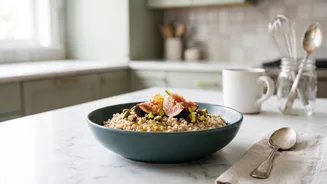
Choosing a meal often feels like a trade-off. Do you go for the huge plate that offers quantity, or the smaller, pricier dish that promises quality? Understanding how these two factors work together is key to getting the best value for your health.
The Foundation of Flavour and Fuel
When
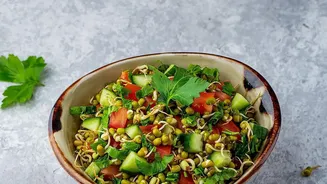
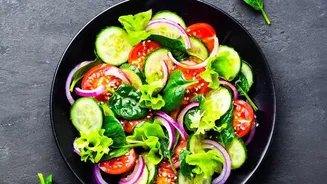
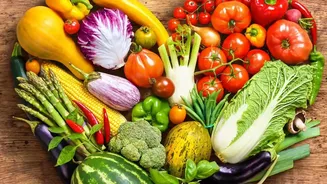
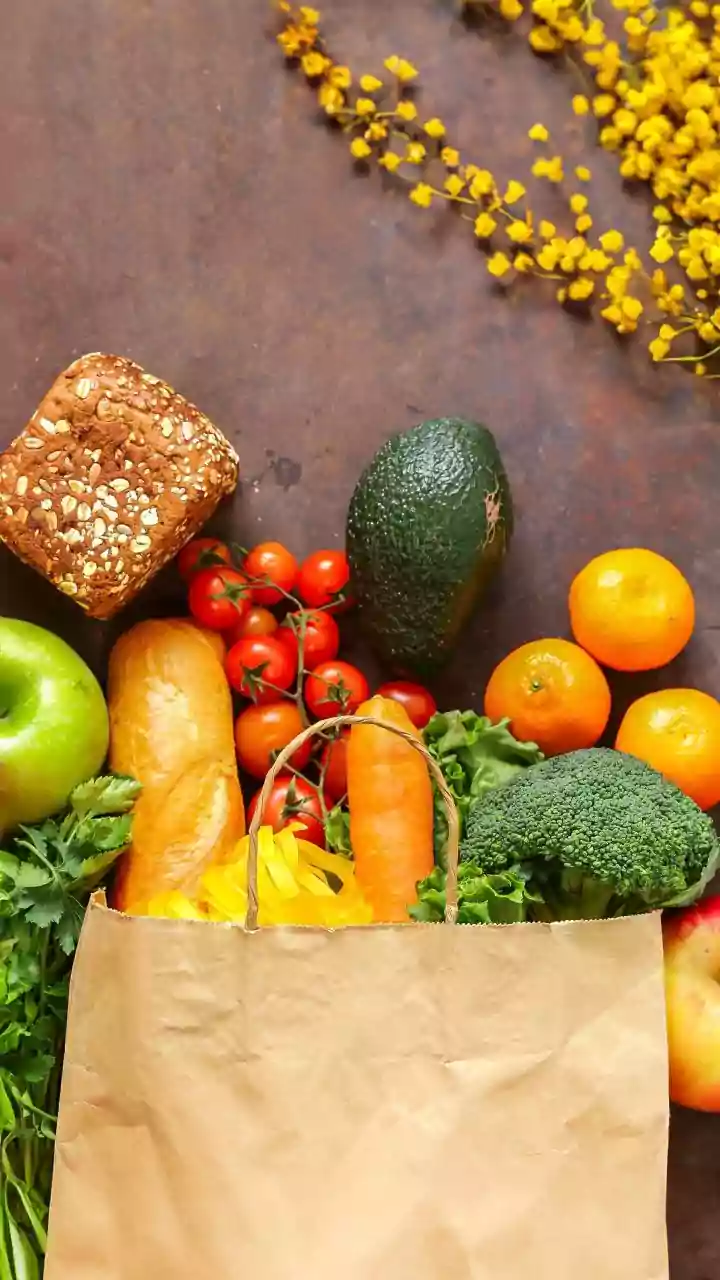
we talk about 'ingredient quality', it’s about more than just a fancy label. High-quality ingredients are those that are fresh, minimally processed, and packed with nutrients. Think of a bright red, juicy tomato from a local farm versus a pale, watery one from a long supply chain. The first is not only bursting with flavour but also with vitamins and antioxidants. Quality ingredients are 'nutrient-dense', meaning they provide a high amount of beneficial compounds like vitamins, minerals, and fibre relative to their calorie count. In contrast, low-quality, highly processed foods are often 'calorie-dense' or contain 'empty calories', offering energy primarily from sugar and unhealthy fats with few nutritional benefits. Consistently choosing high-quality foods supports better overall health, from stable energy levels to a reduced risk of chronic diseases.
Why Size Really Does Matter
On the other side of the plate is portion size. Over the last few decades, what we consider a 'normal' serving has grown dramatically, a phenomenon known as 'portion distortion'. From super-sized fast-food meals to ever-larger dinner plates, we've been conditioned to expect more food. The problem is that our bodies are wired to eat what's in front of us. When served a larger portion, we tend to eat more, often overriding our natural feelings of fullness. This habit can lead to consuming more calories than our bodies need, which contributes to weight gain and increases the risk of health issues like heart disease and type 2 diabetes over time. Managing portions isn't about restriction; it's about aligning what you eat with what your body actually requires.
It's Not a Competition
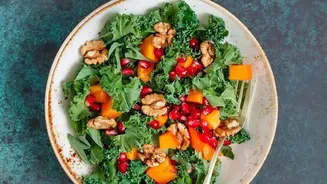
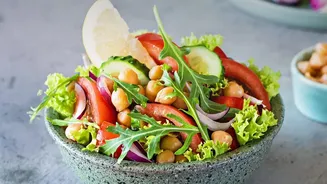
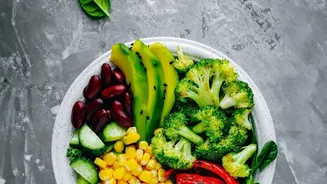
The real magic happens when you stop seeing quality and quantity as an either/or choice and start seeing how they interact. A smaller portion of a high-quality, nutrient-dense meal can be far more satisfying and beneficial than a massive plate of low-quality food. Nutrient-rich foods, particularly those with protein and fibre, are more satiating, meaning they help you feel fuller for longer. For instance, a grilled chicken salad packed with fresh vegetables, nuts, and a light vinaigrette will likely keep you satisfied for hours. A giant serving of greasy fries, while high in calories, might leave you feeling hungry again relatively soon. The satiety provided by quality food can naturally help control overall calorie intake without feeling deprived. Choosing a smaller, well-crafted meal often means you're getting more nutritional bang for your buck.
Your Guide to Smarter Choices
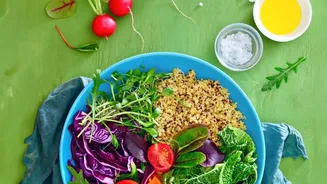
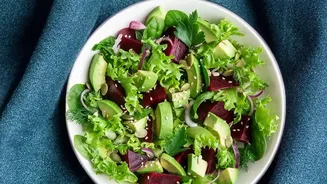
Becoming a savvy diner means learning to evaluate meals beyond just price and size. When eating out, look for clues. Menus that highlight ingredient sourcing or seasonal items often signal a commitment to quality. Don't be shy about asking where the food comes from. At the same time, be mindful of portion sizes. Some restaurants use oversized plates to make servings look standard when they are actually very large. Consider sharing a large main course or taking half of it home. At home, you have complete control. Focus on filling your plate with whole foods: lean proteins, whole grains, and lots of colourful vegetables. Using smaller plates and bowls can also psychologically trick your brain into feeling satisfied with less food. By paying attention to labels and cooking for yourself, you become the master of both ingredient quality and portion size.
An Investment in Your Well-being
Ultimately, prioritising both ingredient quality and appropriate portion sizes is an investment in your long-term health. While a large, cheap meal might seem like a good deal financially, the hidden costs can show up later in the form of poor health outcomes. A diet built on high-quality, nutrient-dense foods in reasonable portions supports a healthy weight, provides sustained energy, and protects against chronic illness. It's about shifting your definition of 'value'. Instead of asking 'How much food can I get for my money?', try asking, 'How much nourishment and satisfaction can I get from this meal?'. The answer often lies in finding the perfect balance between the quality of the ingredients and the quantity on your plate.