
The Return of Ancient Grains
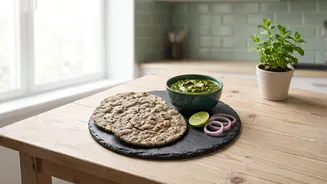
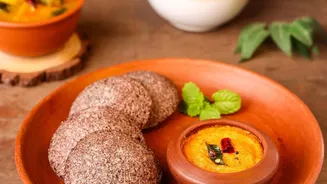
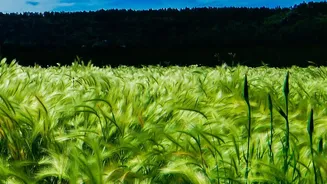
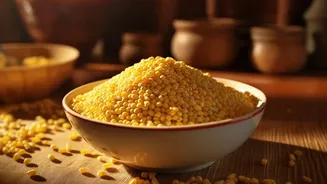
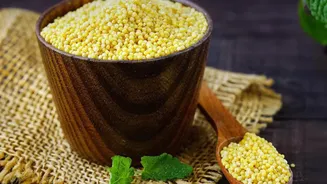
For decades, polished white rice and refined wheat dominated the Indian plate. But today, ancient grains are making a powerful comeback. Millets like ragi, jowar, and bajra, once dismissed as “poor man’s food,” are being celebrated for their nutritional
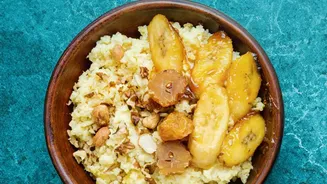
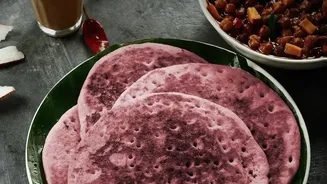
prowess. These grains are naturally gluten-free, rich in fibre, and have a lower glycemic index, which helps in managing blood sugar levels. Similarly, farmers and consumers are reviving hundreds of heirloom rice varieties like Kaatu Yaanam, Karuppu Kavuni, and Mappillai Samba. These indigenous grains are not only packed with nutrients but are also more resilient to climate change, requiring less water and pesticides than their modern hybrid counterparts. This shift reflects a move away from uniform, mass-produced staples toward a richer biodiversity on our plates.
A Health-Conscious Choice
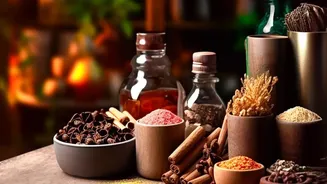
The primary driver behind this pantry revival is a collective shift towards wellness. The pandemic, in particular, accelerated anxieties around health and immunity, prompting many to see food as a form of self-care. People are increasingly wary of highly processed foods and are seeking out natural, nutrient-dense alternatives. Cold-pressed oils, extracted without heat or chemicals, are replacing refined oils because they retain more natural vitamins and antioxidants. Traditional fats like ghee are also being embraced for their health benefits. This return to tradition is rooted in the understanding that ancestral diets were often inherently healthier, built around whole foods, seasonal produce, and cooking methods that preserved nutritional value.
More Than Just Food
This trend extends beyond just what we eat to how we cook. Traditional cookware like cast iron tawas, clay pots, and brass vessels are re-entering modern kitchens. Cooks are discovering that these materials offer more than just nostalgia; they enhance flavour and can even add minerals like iron to food. A clay pot imparts a unique earthy aroma, while a well-seasoned cast iron pan creates an unparalleled sear. This revival is also about sustainability and identity. Choosing traditional grains supports smallholder farmers and promotes agricultural biodiversity. In a globalised world, cooking with indigenous ingredients is a way to reconnect with cultural roots and preserve culinary heritage that was at risk of being forgotten.
Tradition Meets Modern Life
Crucially, this movement is not about abandoning modern convenience. It's about smart integration. People aren't throwing away their mixer-grinders, but they might use them to make a batter from soaked millets. Chefs and home cooks are adapting ancient ingredients for contemporary dishes, like using millet flour in baked goods or adding forgotten greens to salads. The internet has played a key role, allowing urban consumers to buy heirloom rice directly from farming cooperatives and learn about the benefits of traditional practices from food influencers. It's a thoughtful blend of old wisdom and new technology, creating a cooking style that is both authentic and practical for today’s fast-paced life.