

The End of the Neutral Reign
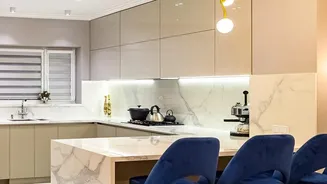
Walk into a newly built apartment from a few years ago, and you could predict the kitchen: glossy white or beige modular cabinets, a neutral countertop, and stainless steel everything. This look, heavily influenced by global minimalist trends, became
the default for modern Indian homes. It was practical, easy to mass-produce, and symbolized a break from older, more cluttered kitchens. For a while, this uniform aesthetic felt like an upgrade. It promised a clean, organized, and functional space, which was a welcome change. However, homeowners are now realizing that what is clean and modern can also feel cold and impersonal, especially in a country with a rich history of colour and craftsmanship.
A Hunger for Authenticity
The shift away from the beige-and-white formula is about more than just aesthetics; it’s about identity. Homeowners are increasingly looking for ways to make their spaces a true reflection of their personality, travels, and heritage. The kitchen, once a purely functional room, has become the heart of the home—a social hub where families connect. As such, there's a growing desire for this central space to feel warm, inviting, and unique. People don't just want a kitchen that looks good on a catalogue; they want a kitchen that tells their story. This has sparked a move towards intentional design choices that favour personal expression over following a safe, homogenous trend.
The Rise of Earthy Colours
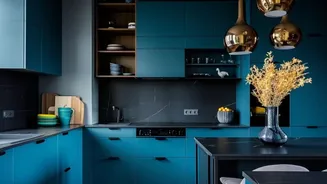
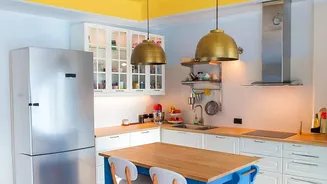
Colour is confidently making a comeback, but not in the jarring way one might expect. The new palette is grounded, earthy, and inspired by nature. Deep shades like olive green, sage green, navy blue, and charcoal are becoming incredibly popular for base cabinets. These are often paired with lighter, creamy tones on upper cabinets to keep the space from feeling too heavy. Another star is terracotta, a warm, reddish-brown that evokes a sense of earthiness and tradition, making a kitchen feel both rustic and chic. These colours are not only visually appealing but also practical; they are more forgiving of the turmeric stains and oil splatters common in Indian cooking.
A Return to Roots and Textures
Alongside colour, there's a renewed appreciation for texture and traditional materials. The flat, glossy laminates of the past are being replaced by matte finishes, which are better at hiding fingerprints and smudges. There is also a resurgence of natural and heritage materials. Homeowners are incorporating elements like fluted wood panels, stone backsplashes, and even brass or copper accents that carry cultural significance. Terrazzo flooring, once a staple in older Indian homes, is seeing a stylish revival. These materials add depth, warmth, and a tactile quality that was missing from the ultra-sleek kitchens. It's a way of blending modern functionality with a nod to traditional Indian craftsmanship and aesthetics.
Designing for Indian Life
Ultimately, the trend is about creating kitchens that are designed for how Indians actually live and cook. The intensity of Indian cooking, with its spices, fumes, and splatters, means that pure open-plan kitchens are giving way to more practical 'semi-open' layouts that use glass partitions or pocket doors to contain mess and smells. Storage solutions are getting smarter and more vertical to accommodate large families and the array of utensils and pantry items. And there's a greater focus on layered lighting, moving beyond a single harsh tubelight to create a warmer, more functional ambiance. This evolution is a sign that Indian kitchen design is finally maturing, finding a confident voice that is both globally aware and unapologetically local.