





The Foundation: A Perfect Sponge
The secret to this cake is a light, airy sponge that serves as the perfect canvas. The gentle, apple-like notes of chamomile and the floral sweetness of honey create a uniquely soothing flavour profile. Most recipes achieve this by infusing the chamomile directly
into a liquid component, like milk or butter. To start, you can gently heat whole milk with several chamomile tea bags or loose-leaf chamomile, letting it steep for anywhere from 15 minutes to a couple of hours for a more concentrated flavour. This infused milk is then cooled and incorporated into your cake batter, ensuring the floral essence is baked right in. A quality honey, like wildflower, adds a complementary sweetness that makes the cake truly special.
Creative Infusion Techniques
While steeping chamomile in milk is the most common method, it's not the only way to impart its delicate flavour. Some bakers crush dried chamomile flowers into a fine powder and add it directly to the dry ingredients, such as flour and baking powder. This method can provide a more rustic, speckled appearance and a slightly more intense, earthy taste. Another approach is to infuse the butter. By melting butter with chamomile and letting it sit before incorporating it into your batter, you create a rich, flavourful base. For a layered flavour experience, you can even combine methods, using both infused milk and a touch of powdered chamomile for a well-rounded floral note.
Flavor Pairings to Elevate Your Cake
Honey and chamomile are a classic duo, but they also pair beautifully with other flavours. Citrus is a natural companion; the zest and juice of a lemon can brighten the entire cake, cutting through the sweetness with a refreshing tang. A lemon buttercream or a simple lemon glaze is a popular and delicious choice. For a different twist, consider adding spices like cinnamon or nutmeg, which can lend a warm, comforting depth. Almond is another excellent pairing, and using almond flour in your recipe can add a lovely nutty flavour and a tender crumb. Even a hint of vanilla or a splash of orange blossom water can enhance the cake's aromatic qualities.
Fillings and Frostings
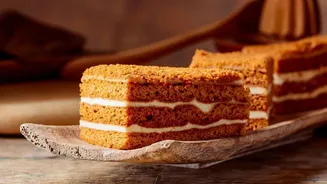
A simple sponge is delightful on its own, but a thoughtful filling or frosting can turn it into a showstopper. A honey-sweetened Swiss meringue buttercream is light, silky, and less sweet than traditional American buttercream, allowing the cake's flavours to shine. For something with a bit of tang, a cream cheese or ricotta-based frosting provides a wonderful contrast to the sweet honey. If you prefer a less-is-more approach, a naked or semi-naked cake style, with just a thin layer of frosting, looks effortlessly elegant. You can also slice the cake horizontally and add a layer of lemon curd, fresh berries, or simply whipped cream in the middle for an extra burst of flavour and texture.
Simple, Stunning Decoration
You don’t need to be a professional decorator to make this cake look beautiful. One of the simplest and most elegant ways to finish it is by adorning it with fresh, edible chamomile flowers. A simple wreath of flowers on top of a frosted cake looks stunning and hints at the flavours inside. Another easy option is a dusting of powdered sugar, perhaps using a stencil for a creative pattern. A drizzle of extra honey over the top not only adds a beautiful sheen but also an extra touch of sweetness. For a bit of colour and texture, you can top the cake with fresh fruit like sliced peaches or assorted berries.