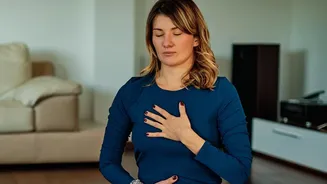








In the search for simple wellness tools, a quiet practice is gaining notice: breath journaling. It pairs intentional breathing with written reflection, creating a powerful synergy that can calm a busy mind and provide surprising clarity.
What Exactly Is Breath Journaling?
Breath journaling
is a mindful practice that involves two core components: consciously controlling your breath and then writing down your thoughts, feelings, or sensations. It is not just a standard diary entry. Instead, it’s a dedicated session where you first use breathing techniques to ground yourself in the present moment, calming your nervous system. Immediately after, you engage in a short period of writing, capturing the mental and emotional state that the breathwork helped to surface. The goal is to turn fleeting moments of mindfulness into more concrete insights by putting them on paper. This creates a record of your internal state, helping you notice patterns in your thoughts, emotions, and physical sensations over time.
The Twofold Power of Breath and Pen
The magic of breath journaling lies in its combination. Slow, intentional breathing has a direct physiological effect, helping to shift the body out of a “fight-or-flight” stress response and into a state of rest and relaxation. Studies have shown that practices like deep, exhale-focused breathing can reduce physiological arousal and improve mood. This calming of the body creates a clearer and more receptive state of mind. Following this with expressive writing provides a structured outlet for the thoughts and feelings that arise. Research on expressive writing shows that putting emotions into words—sometimes called “affect labeling”—can help the brain regulate those emotions, providing distance and clarity. In essence, the breath quiets the internal noise, and the writing helps you make sense of what remains.
Potential Benefits for Your Well-Being
People who adopt a consistent breath journaling practice often report a wide range of benefits. The most immediate is often stress and anxiety reduction. The combination of calming the nervous system and externalizing worries onto paper can bring significant relief. Over time, this can lead to improved focus and mental clarity, as the practice trains the mind to be less distracted. Many also find it enhances self-awareness, or interoception—the sense of the internal condition of the body. By regularly checking in, you become more attuned to your emotional and physical state. This can improve mood regulation, boost resilience, and even foster creativity by clearing mental blocks. Some studies even link expressive writing and controlled breathing to physical benefits like lower blood pressure and improved immune function.
Why Your Experience Will Be Unique
As the headline suggests, the benefits of breath journaling will vary from person to person. There is no one-size-fits-all outcome. One key factor is consistency. Like any wellness practice, the rewards are often cumulative, emerging from a regular habit rather than a single session. Your starting point also matters. Someone dealing with high levels of chronic stress may experience more dramatic initial shifts than someone who is already relatively calm. Personality can play a role, too. For those with a “busy brain” or a tendency to overthink, the active nature of journaling can feel more accessible than silent meditation. Furthermore, your approach will shape the results. Using specific prompts to explore certain feelings may yield different insights than open-ended, stream-of-consciousness writing. Ultimately, the practice is a personal exploration, and its value lies in how you adapt it to your own needs.
A Simple Guide to Get Started
Starting a breath journaling practice doesn't require any fancy equipment—just a notebook and a quiet space. Begin by setting a timer for five to ten minutes. For the first few minutes, focus solely on your breath. A simple technique is box breathing: inhale for four counts, hold for four, exhale for four, and hold for four. Or, simply focus on making your exhales slightly longer than your inhales. The goal is to feel your body settle. When the breathing portion feels complete, pick up your pen and start writing. Don't worry about grammar or structure. You can use a prompt, such as “What am I carrying right now?” or “How does my body feel?” or simply write whatever comes to mind without judgment. The key is to let the thoughts flow freely, creating a bridge between your inner state and the written page.