




The Wild Logistics of Deltas
River deltas are dynamic, shifting landscapes defined by water. Places like Botswana's Okavango Delta and India's Sundarbans are vast, roadless territories where land is either seasonally flooded or permanently fragmented by a web of channels and islands.
This unique geography makes conventional road access impossible and impractical. Building and maintaining roads would not only be a logistical nightmare but would also permanently scar these fragile ecosystems. Conservation is paramount, and the solution is to tread lightly. By using light aircraft and boats, lodges can operate deep within these protected areas, offering an exclusive experience while minimizing their environmental footprint. This approach ensures that the wilderness remains wild, and the journey itself becomes the first chapter of your adventure.
Botswana's Okavango: A Fly-In Spectacle
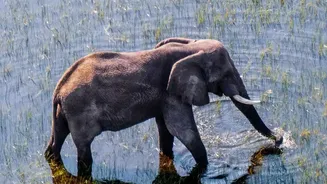
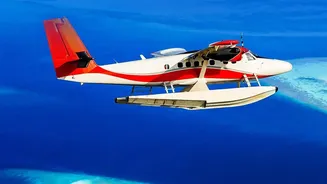
The Okavango Delta is the quintessential fly-in safari destination. Most visitors arrive at Maun Airport, the gateway to the delta, before boarding a small Cessna or similar light aircraft for the final transfer. These flights are a breathtaking experience in themselves. Flying at a low altitude, you get a stunning bird's-eye view of the sprawling floodplains, winding waterways, and herds of elephants, buffalo, and giraffe dotting the landscape below. The pilots are highly experienced in navigating this environment, often landing on remote, unpaved airstrips that can sometimes be temporarily occupied by wildlife. Upon landing, the journey often continues by water. Depending on the lodge's location and the season's water levels, you might be transferred by a modern motorboat or a traditional mokoro (a dugout canoe), gliding silently through papyrus-lined channels to your final destination.
India's Sundarbans: Navigating the Mangroves
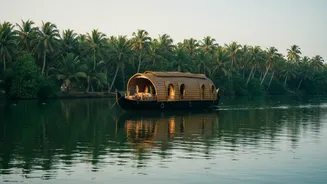
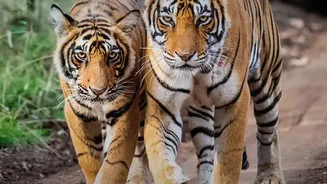
In the Sundarbans, the world's largest mangrove forest and a critical tiger habitat, life revolves around the waterways. Accessing this UNESCO World Heritage Site involves a combination of road and boat travel. Typically, visitors travel by car from Kolkata to a jetty point like Godkhali. From there, all further exploration is done exclusively by motorized boat. These boats serve as your transport, your safari vehicle, and sometimes even your accommodation. They navigate the intricate network of tidal rivers and creeks, offering opportunities to spot saltwater crocodiles, diverse birdlife, and, for the very lucky, the elusive Royal Bengal Tiger. Getting down on the land is strictly prohibited outside of a few designated and protected camps, making the boat journey the only way to experience the dense, mysterious beauty of the mangrove ecosystem. This water-based approach is essential for both safety and conservation in a region ruled by tides and wildlife.
What to Expect on Your Transfer
Traveling by light aircraft and boat comes with its own set of practicalities. Luggage restrictions are strict on small planes, typically around 15-20 kg per person in soft-sided bags, as they need to fit into compact storage compartments. Hard-shell suitcases are often not permitted. The flights themselves are short, usually between 20 minutes and 90 minutes, and may involve multiple stops to drop off guests at different camps. Boat transfers can be leisurely, allowing you to soak in the scenery and start your wildlife viewing immediately. These transfers are not just about getting from point A to B; they are an integral part of the safari experience. They offer a seamless transition from the developed world into true wilderness, providing a sense of remoteness and exclusivity that is central to the appeal of these unique destinations.