







The Initial Learning Curve
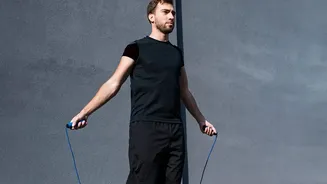
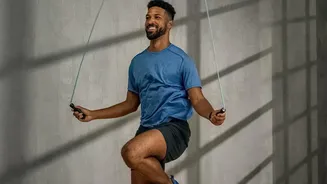
For most people, the basic mechanics of jumping rope are easier to grasp than skating. The initial challenge is timing and rhythm—coordinating your hands and feet so you don't constantly trip on the rope. This can be frustrating, but progress is often
quick. With practice, the movement becomes second nature. Skating, on the other hand, demands balance from the very first moment. Learning to stand, glide, and stop without falling can take longer for a true beginner. While some pick it up quickly, others may spend more time feeling wobbly and unstable. The fear of falling is a significant hurdle for many new skaters.
Cost of Getting Started
When it comes to your wallet, jump rope is the clear winner in affordability. A good quality beginner's jump rope is a minimal one-time investment. You don't need much else besides a good pair of athletic shoes. Skating requires a more significant upfront cost. A decent pair of roller skates or inline skates can be a notable purchase, and that's before factoring in essential safety gear. To skate safely, especially as a beginner, you need a helmet, wrist guards, and knee and elbow pads, which adds to the total initial cost.
Space and Accessibility
Jump rope is hard to beat for convenience. You can do it almost anywhere with a small, flat surface and enough overhead clearance. A living room, a garage, a small patio, or a park will do just fine, making it an excellent option for at-home workouts regardless of weather. Skating requires more space and a specific type of surface. You need a smooth, large area like a skating rink, a paved trail, or an empty basketball court. Finding a suitable and safe spot can be a challenge, especially in densely populated urban areas or during bad weather.
The Fitness Factor
Both activities are fantastic for cardiovascular health. Jump rope is a high-intensity workout that can burn a significant number of calories in a short amount of time. A 15-minute session can be as effective as a much longer run. It engages your entire body, from your legs and core to your shoulders and arms. Skating is typically a more moderate-intensity workout that you can sustain for longer periods. It's excellent for building lower body strength, particularly in the glutes and thighs, and is a great low-impact option that's easier on the joints than the repetitive bouncing of jumping rope.
Risk of Injury for Beginners
Every new activity comes with some risk. For beginner jumpers, the most common issues are shin splints and ankle pain, often from jumping too high or on a hard surface without proper footwear. However, with good form, jumping rope is considered a low-impact activity. For skaters, the primary risk is falling, which can lead to wrist fractures, sprains, bruises, or even concussions. Spontaneous loss of balance is a common cause of falls for new skaters. This makes wearing protective gear, especially wrist guards and a helmet, non-negotiable when you're starting out.