





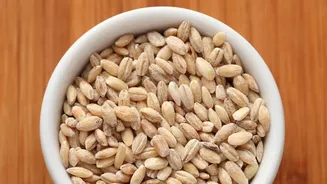
What Exactly Is Amaranth?
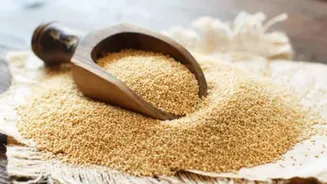
First, let's clarify what amaranth is. Though it's often grouped with grains like oats and wheat due to its similar culinary uses, amaranth is technically a 'pseudo-cereal'. Cultivated for over 8,000 years, it was a staple food for the Aztecs. This tiny,
powerhouse seed comes from a plant family that also includes beets and spinach. Naturally gluten-free, it has an earthy, nutty flavour and offers a complete protein source, meaning it contains all nine essential amino acids. This impressive profile is a key reason why it's becoming a go-to ingredient in health-conscious kitchens.
The Core Minerals for Bone Strength
When it comes to bone health, certain minerals are non-negotiable, and amaranth delivers them in spades. Your bones are dynamic living tissues that require a steady supply of nutrients to stay dense and strong. Amaranth is an excellent source of the major minerals needed for this process, including calcium, magnesium, and phosphorus. A single cup of cooked amaranth provides about 116 mg of calcium, which is crucial for bone repair and structure. It also packs a significant punch of magnesium—nearly half your daily need—which is vital for helping your body effectively absorb that calcium. Phosphorus, another key player in the bone matrix, is also abundant in amaranth. This mineral trio makes amaranth a formidable food for supporting your skeletal system.
What's New: The Amino Acid Advantage
The latest understanding of bone nutrition goes beyond just minerals. The new details highlight the role of amino acids, the building blocks of protein, and amaranth has a unique advantage here. Amaranth is particularly rich in an essential amino acid called lysine. While we’ve long known protein is important, recent insights clarify lysine's specific functions for bone health. Research shows that lysine plays a crucial role in two ways: it increases calcium absorption in your gut and helps your kidneys retain the mineral, preventing it from being lost through urine. Furthermore, lysine is essential for producing collagen, the protein that forms the flexible framework of our bones, giving them toughness and resilience. Without enough lysine, your body can't build this critical collagen matrix. This makes amaranth’s complete protein profile, rich in lysine, doubly effective for bone health.
More Than Just Minerals
Amaranth's benefits don't stop with its mineral and amino acid content. The seed also possesses anti-inflammatory properties. Some studies have found that compounds in amaranth may help reduce the expression of pro-inflammatory markers in the body. Since chronic inflammation is increasingly recognised as a factor that can contribute to bone loss over time, incorporating anti-inflammatory foods like amaranth can offer another layer of protection for your skeletal health. This holistic combination of bone-building minerals, enhanced calcium absorption via lysine, and anti-inflammatory compounds makes amaranth a truly functional food for long-term health.
How to Make an Amaranth Breakfast
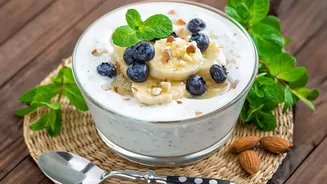
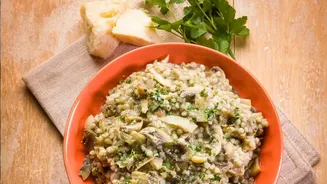
Incorporating amaranth into your morning routine is simple. The most common way to enjoy it is as a porridge. To cook it, you typically use a ratio of about one part amaranth to two-and-a-half or three parts water. Bring the mixture to a boil, then reduce the heat, cover, and simmer for about 20-25 minutes, stirring occasionally until it becomes creamy and the liquid is absorbed. From there, the options are endless. You can top your warm porridge with fresh fruit, nuts, and seeds for added texture and nutrients. For a savoury twist, try cooking it with a bit of cream and cheese and topping it with a fried egg and sautéed greens like kale. You can also add cooked amaranth to smoothies for a protein and fibre boost or use popped amaranth as a crunchy topping for yogurt.