


A Glaring Deficit
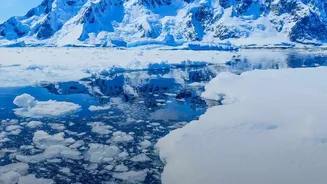
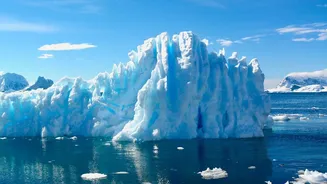
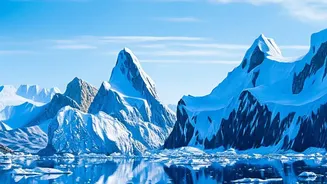
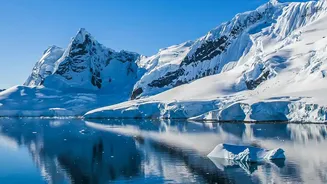
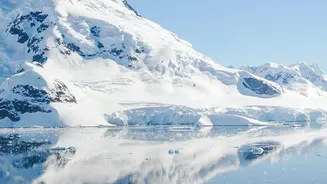
Scientists at the National Snow and Ice Data Center (NSIDC) have confirmed that Antarctica’s sea ice reached its maximum extent for 2026 on September 14. The peak coverage was approximately 17.59 million square kilometres. While this number sounds vast,
it is troublingly short of the long-term average, falling by about one million square kilometres. This missing ice represents an area roughly twice the size of Spain, continuing a concerning trend of below-average conditions that has become the new normal in recent years.
An Unstable New Reality
For many years, Antarctic sea ice was a story of relative stability, even slight expansion, in stark contrast to the rapid melting seen in the Arctic. However, this pattern has reversed dramatically. Scientists now confirm that the four lowest winter sea ice maximums since satellite records began in 1979 have all occurred in the last four years. This string of low-ice years suggests a fundamental shift in the Antarctic climate system. Experts are concerned this is no longer a one-off event but a clear indication of a system that has changed, entering a new 'low-ice era' from which it may be difficult to return.
Why Is This Happening?
There isn't a single culprit, but rather a cascade of interconnected factors. A primary driver is the warming of the Southern Ocean. For decades, a surface layer of less salty water, fed by increased precipitation, helped insulate the deeper, warmer ocean water. However, changes in wind patterns, potentially linked to broader climate change, are now causing more of this deep heat to mix towards the surface. This warmer surface water makes it harder for ice to form and easier for it to melt. Atmospheric patterns like El Niño can also contribute to regional losses, further compounding the problem.
The Global Ripple Effect
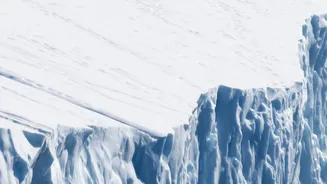
The loss of Antarctic sea ice has consequences that extend far beyond the frozen continent. Sea ice acts like a vast, bright shield, reflecting the sun's energy back into space. When it disappears, the darker ocean water below absorbs more heat, creating a feedback loop that accelerates warming. This can disrupt the formation of deep ocean currents that regulate global climate. Furthermore, without the protective barrier of sea ice, coastal ice shelves—the floating edges of Antarctica's massive land-based glaciers—are more exposed to damaging ocean waves, which can increase iceberg calving and, ultimately, contribute to global sea-level rise.
An Ecosystem on the Brink
The changes are also creating a crisis for the unique wildlife that depends on the ice. Species from microscopic algae to the vast whale populations rely on the sea ice ecosystem. Antarctic krill, a cornerstone of the food web, use the underside of the ice for refuge and to feed on algae. Their decline has a cascading effect on predators like penguins, seals, and whales. Emperor penguins, which depend on stable sea ice for breeding and raising their chicks, face catastrophic breeding failures as their icy platforms disappear.