









The Power of Small Wins
Confidence isn't something you are given; it's something you build. The strongest source of genuine self-belief comes from what psychologists call 'mastery experiences': succeeding at something difficult through your own effort. Rhythmic gymnastics is structured
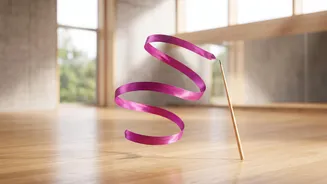
around these moments. A complex routine is broken down into dozens of smaller, manageable skills. A young gymnast might first focus only on holding a balance, then on adding a leg extension, and later on incorporating a ribbon toss. Each small success provides tangible proof of progress. A skill that felt impossible last month becomes achievable this month. This cycle of effort, practice, and eventual success creates a powerful internal narrative: “I can do hard things.”
Learning to Bounce Back
In a sport that demands near-perfection, mistakes are inevitable and frequent. A dropped ball, a tangled ribbon, or a wobble during a turn are not just errors; they are learning opportunities. Rhythmic gymnastics teaches athletes to handle setbacks with grace and focus. The key isn't to never fail, but to recover so quickly and smoothly that it becomes part of the performance. This process builds immense mental resilience. By learning to get back up after a literal or figurative fall in the gym, gymnasts develop the mental toughness to handle challenges in all areas of life, understanding that a setback is temporary and can be overcome with persistence.
A Deeper Connection With Your Body
Rhythmic gymnastics demands a high level of body awareness, control, and coordination. Athletes learn to understand what their bodies are capable of, focusing on strength, posture, balance, and precision. This can foster a positive body image based not on appearance, but on capability. A 2023 qualitative study found that rhythmic gymnastics training promotes a positive body self-image by helping athletes appreciate their physical skills and control. Learning to command their bodies to perform elegant and difficult movements can increase satisfaction and confidence in their physical selves, shifting the focus from what a body looks like to the amazing things it can do.
The Confidence of Discipline and Focus
The structure and discipline inherent in rhythmic gymnastics are major contributors to self-worth. Mastering routines requires immense focus, patience, and dedication. Gymnasts learn to set goals, commit to a process, and work diligently even when progress feels slow. This discipline is a transferable skill. The ability to concentrate on a task, manage frustration, and dedicate oneself to improvement extends far beyond the gymnasium. It fosters a sense of self-control and capability that reinforces the belief that one can achieve ambitious goals through consistent effort, which is a cornerstone of healthy self-esteem.
Performing with Pride
Performing a routine in front of teammates, coaches, and eventually judges can be nerve-wracking, but it is also an incredible tool for building confidence. It’s a practical exercise in managing anxiety and trusting in your preparation. Each performance is a chance to be celebrated for hard work and skill. Overcoming the initial fear of being watched and judged helps young athletes develop the courage to present themselves with pride in other areas of life. They learn to stand tall, project confidence, and trust in their abilities, even when under pressure.