


From 'Revenge' to Reflection
The initial post-pandemic travel boom was marked by a frenetic energy often dubbed “revenge travel.” It was about breaking free from lockdowns, leading to a surge in visitors to popular destinations. That wave, however, has now crested and given way to a more
thoughtful approach. Indian travellers are moving from a mindset of accumulation—collecting destinations and photos—to one of immersion. The question is no longer just “where to next?” but “what kind of experience do I want?”. Recent data shows that travellers are increasingly planning holidays around specific interests like cultural festivals, wellness retreats, or culinary trails, signalling a shift from destination-driven to experience-led tourism.
The Art of Slower Journeys
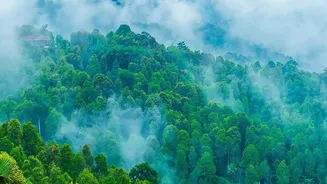
Slow travel is about depth over distance. Instead of a frantic ten-day, five-city tour, imagine spending that time in one region, truly getting to know its rhythm. This could mean a week-long stay at a single homestay in Kerala, learning local recipes, or exploring the forest trails around a quiet town in Himachal Pradesh. This approach fosters a genuine connection with the place, its culture, and its people. It's a philosophy that champions staying longer in one place to appreciate it more fully. This trend is gaining significant traction, with a notable increase in searches for destinations known for tranquillity and nature, like Rishikesh and Dharamshala. A recent report even highlighted that 67% of Indian travellers identified relaxation as their primary motivation for travel.
My Trip, My Itinerary
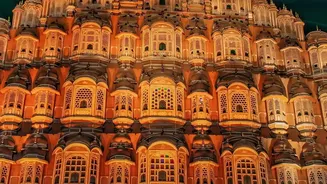
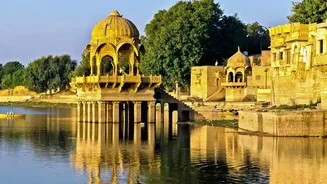
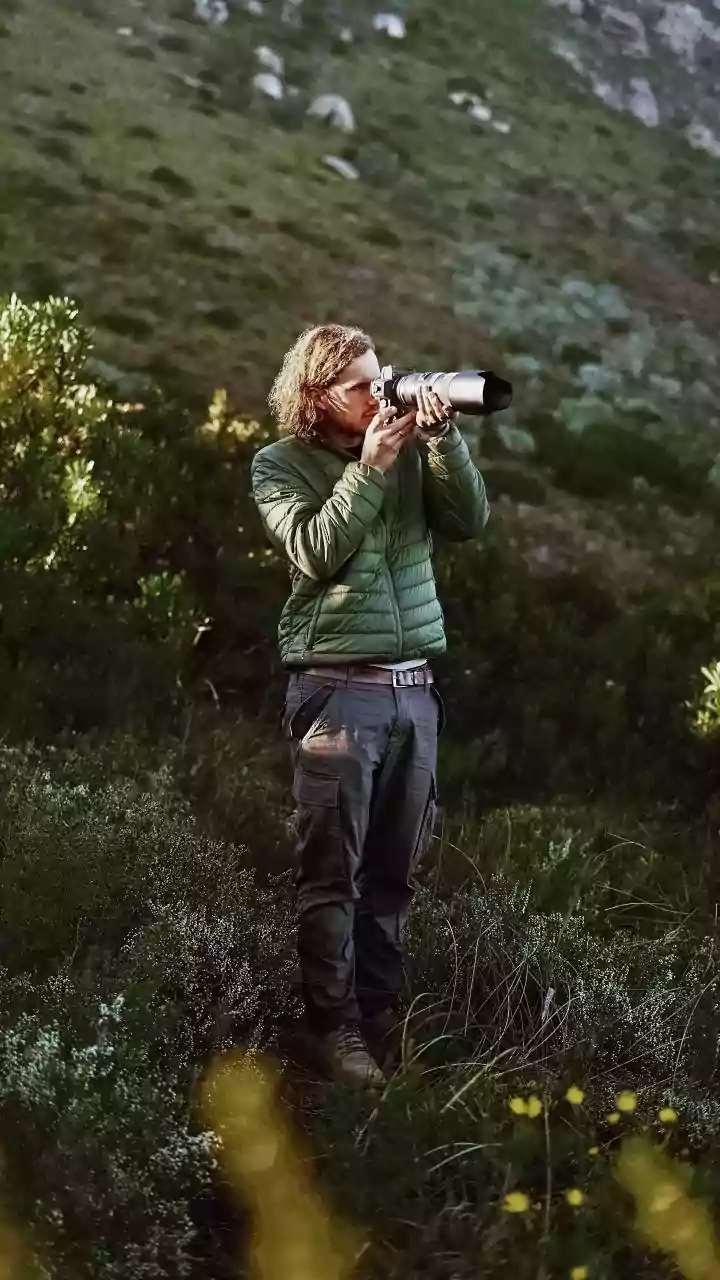
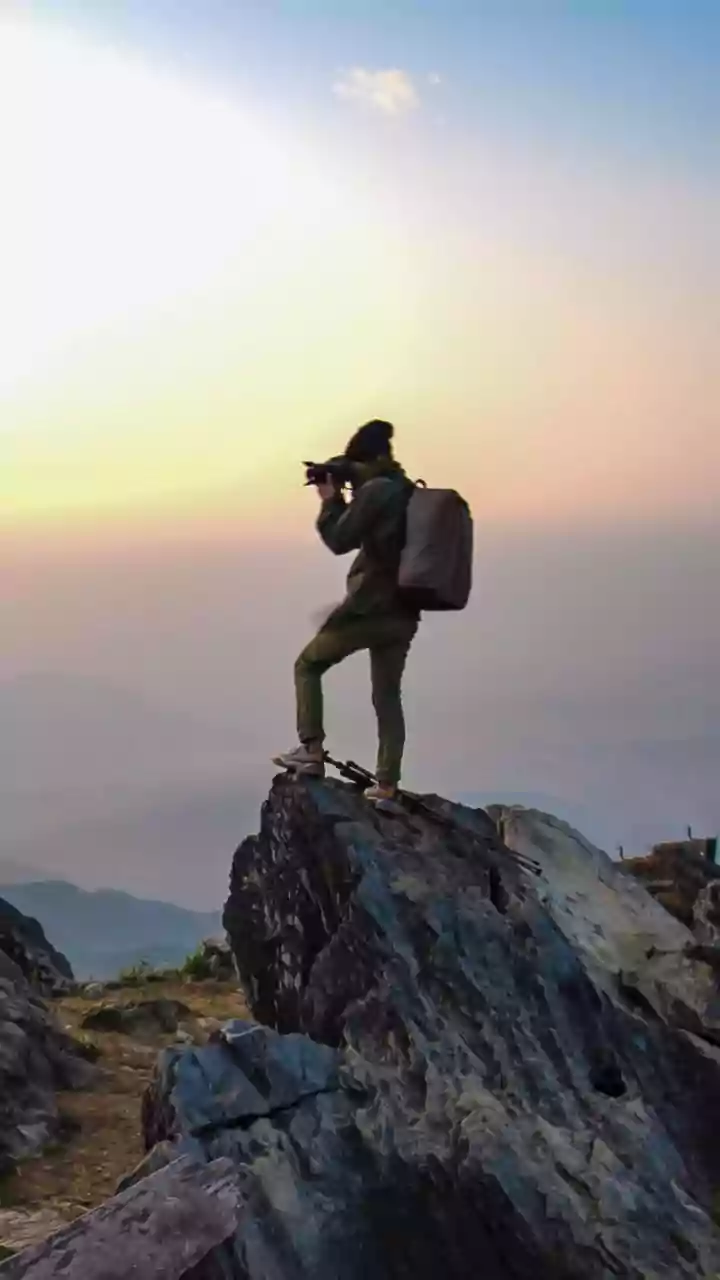
The one-size-fits-all package tour is losing its appeal. Today’s traveller wants a holiday that reflects their personality and passions. This has fuelled the rise of boutique travel companies and advanced digital platforms that offer hyper-personalised itineraries. Whether it's a photography-focused trip in Rajasthan, an adventure-centric journey in the Himalayas, or a family holiday designed around kid-friendly activities, customisation is key. Even luxury travel is being redefined, with affluent travellers prioritising unique, curated journeys over conventional displays of opulence. This shift is so profound that the market is now considered mature, with travellers seeking relevance and seamless service over just brand names.
A New Generation of Explorers
This evolution is largely driven by Millennials and Gen Z. These digital-native generations prioritise experiences over possessions and authenticity over polish. For them, travel is a form of self-expression. Social media, once a platform for showcasing picture-perfect landmarks, is now used to share genuine cultural interactions and unique adventures. Furthermore, the rise of remote and hybrid work models has enabled a new kind of travel. Many professionals can now work from a homestay in Goa or a café in the mountains, blurring the lines between work, life, and leisure. Data shows a significant portion of the young workforce is keen on combining work and travel, making longer, slower trips more feasible than ever before.
Good for the Traveller, Great for Locals
This maturing market has significant positive effects. Slow, personalised travel often directs tourist spending towards smaller, local economies—supporting homestay owners, local guides, and small artisans rather than just large, multinational hotel chains. It promotes a more sustainable form of tourism that helps preserve local culture instead of commercialising it superficially. As travellers venture into Tier II and Tier III towns in search of authentic experiences, they bring economic benefits to regions beyond the traditional tourist circuit. This dispersal of tourism can help reduce the strain of over-tourism on popular hotspots while fostering a more equitable and responsible travel ecosystem across the country.