






The Hidden Sugar Trap
One of the biggest mistakes in smoothie making is overloading on fruit. While fruit contains essential vitamins and fibre, it's also a source of sugar. When you pack a blender with multiple servings of high-sugar fruits like bananas and mangoes, and then
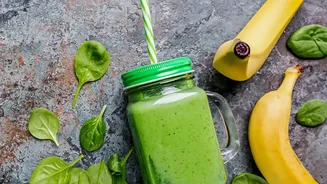
add fruit juice or sweetened yogurts, you can create a drink that rivals a dessert in sugar content. This can lead to a rapid spike in blood sugar followed by an energy crash, leaving you hungry and reaching for another snack soon after. Nutrition experts suggest sticking to one or two servings of fruit per smoothie and prioritizing lower-sugar options like berries. Using water or unsweetened milk instead of juice is another simple swap to cut down on unnecessary sugars.
The Missing Macronutrients: Protein and Fat
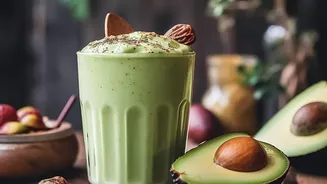
For a smoothie to function as a meal, it needs to be balanced. A blend of just fruits and vegetables, while rich in vitamins, is essentially a carbohydrate-heavy snack. Without adequate protein and healthy fats, it won't keep you satisfied. Protein is crucial for satiety (the feeling of fullness) and muscle support. Most dietitians recommend aiming for at least 15-20 grams of protein in a meal replacement smoothie. This can come from sources like plain Greek yogurt, cottage cheese, protein powder (whey, casein, or plant-based options), or even silken tofu. Healthy fats are equally important for sustained energy and absorbing nutrients. They also contribute significantly to feeling full. Just a spoonful of almond butter or a quarter of an avocado can transform your smoothie from a light drink into a substantial meal.
Why Fibre is Your Friend
Fibre is a key player in making a meal feel complete, and it’s an area where many smoothies fall short. It aids digestion and, crucially, slows down the absorption of sugar, which helps prevent those energy spikes and crashes. While whole fruits and vegetables do contain fibre, blending them makes them easier to consume quickly. Because you're drinking your calories instead of chewing them, your brain might not get the same fullness signals it would from a solid meal. To ensure your smoothie has staying power, add ingredients specifically for their fibre content. A tablespoon of chia seeds, ground flaxseeds, or a handful of rolled oats can significantly boost the fibre, helping you feel satisfied for hours. Leafy greens like spinach or kale are also excellent, low-calorie ways to add fibre and nutrients without altering the taste much.
The Calorie Miscalculation
On the flip side of a nutrient-poor smoothie is the unintentional calorie bomb. It’s easy to get carried away adding 'healthy' ingredients. A large banana, a few generous scoops of peanut butter, a handful of nuts, and full-fat coconut milk can quickly push a smoothie's calorie count over 700 calories—more than a substantial breakfast. For a smoothie to serve as a proper meal replacement, it should generally contain between 300 and 500 calories. This provides enough energy to fuel you for several hours without derailing your health goals. Being mindful of portion sizes for calorie-dense ingredients like nut butters, seeds, and avocados is key to building a balanced, and not excessive, meal.
Building a Truly Complete Smoothie
Creating a balanced meal replacement smoothie is simple once you know the formula. Think of it as assembling a complete plate, just in a blender. Start with a balanced framework to ensure you're getting everything you need. A good template includes a liquid base, a protein source, a healthy fat, a fibre booster, and a controlled portion of fruits and vegetables. For example: start with unsweetened almond milk or water. Add a scoop of protein powder or a serving of Greek yogurt. Toss in a tablespoon of chia seeds for fibre and healthy fats. Finally, add a handful of spinach and a cup of mixed berries for vitamins and natural sweetness. This intentional approach ensures your convenient drink is also a complete, nourishing meal that will power you through your day.