





The Rich and Creamy Foundation
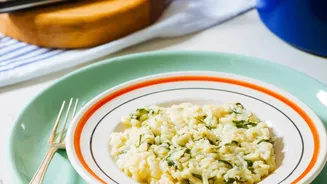
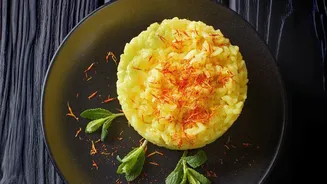
A traditional Italian herb risotto is a masterclass in texture and flavour. It’s built on a base of high-starch rice like Arborio or Carnaroli, which is patiently stirred with warm broth until it releases its starches, creating a velvety, creamy consistency
without a lot of heavy cream. This rich canvas is typically infused with aromatics like shallots and garlic, the savory depth of Parmesan cheese, and the earthy notes of fresh herbs such as rosemary, thyme, and sage. The result is profoundly satisfying but also incredibly rich. The combination of starch, butter, and cheese can sometimes feel heavy on the palate, which is precisely where our hero ingredient comes in.
A Bright Counterpoint to Richness
The primary reason chefs and home cooks are reaching for lemon is to add a touch of acidity. Rich, fatty, and creamy foods can sometimes coat the tongue, making each bite feel less distinct than the last. A hit of acid, like that found in lemon, cuts through that richness. It cleanses the palate, making the dish feel lighter and more balanced. While white wine is traditionally used at the beginning of the cooking process to provide some acidity, its brightness can get cooked out. Adding fresh lemon zest at the end delivers a fresh, vibrant burst of acidity that lifts the entire dish, preventing it from becoming overwhelmingly heavy.
Unlocking Aromatic Oils
Lemon zest's power isn't just in its acidity; it's in its aroma. The colorful outer peel of a lemon is packed with fragrant essential oils. When you grate the zest, you rupture these oil sacs, releasing a powerful citrus fragrance that lemon juice alone can't replicate. These oils are highly volatile, meaning they bring a powerful aromatic quality that enhances the overall sensory experience. This fragrance mingles with the steam rising from the hot risotto, creating an inviting aroma before you even take a bite. It adds a layer of complexity that is perceived as much through smell as it is through taste, making the dish feel more sophisticated and fresh.
Making the Herbs Sing
In an herb risotto, you want those herbal notes to shine. The bright, clean flavour of lemon zest has a remarkable ability to amplify the taste of fresh herbs. It works in harmony with ingredients like parsley, basil, and thyme, making their flavors more pronounced and distinct. It’s a flavour enhancer, much like salt, but instead of just boosting savoriness, it boosts freshness. The citrus notes provide a high-frequency sparkle that contrasts with the deeper, earthier tones of herbs like rosemary and sage, allowing each component of the dish to be tasted more clearly. The result is a risotto that doesn't just taste of herbs, but tastes of vibrant, lively herbs.
The Right Way to Zest
How and when you add the zest matters immensely. To get the best results, use a microplane or a fine grater, which will remove only the yellow zest and leave behind the bitter white pith. Always zest your lemon before you juice it. The most crucial rule is to add the zest at the very end of the cooking process, after the risotto has been removed from the heat. Stir it in along with the final pats of butter and the Parmesan cheese. Cooking the zest will dull its vibrant, fresh oils and can even make it taste bitter. By adding it off-heat, you preserve its bright, aromatic qualities, ensuring it provides that final, transformative flourish.