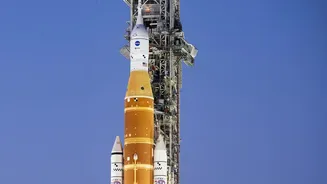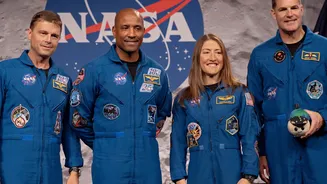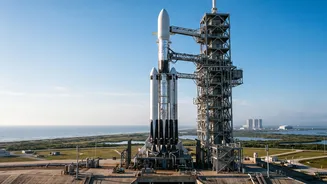




The call has gone out for the next generation of space explorers. NASA has officially opened applications for its 2026 astronaut class, seeking pioneers to join its Artemis missions to the Moon and prepare for humanity's next giant leap: Mars.
A New Generation for a New Frontier
NASA is
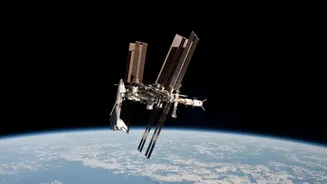
looking for a new class of astronauts to help establish a permanent human presence on the Moon and lay the groundwork for sending humans to Mars. This recruitment drive, announced in early November 2026, is specifically for the 'Artemis generation', a group of explorers who will operate in deep space—a feat not undertaken since the Apollo era. These new astronaut candidates will be at the forefront of some of the most ambitious missions in human history, potentially living and working at a planned lunar base and developing the systems needed for the first crewed voyages to the Red Planet. The selection process is famously rigorous, with the last intake in 2024 drawing over 8,000 applicants for just 10 spots. The application window for this round is short, closing on December 3, 2026.
The Right Stuff: Who Can Apply?
The dream of becoming a NASA astronaut is widespread, but the requirements are precise. The first and most critical rule is that all applicants must be U.S. citizens. This is a standard requirement for the American space agency and means that Indian citizens cannot apply directly to this program. Beyond citizenship, candidates need a master's degree from an accredited institution in a STEM field, such as engineering, biological science, physical science, computer science, or mathematics. There are alternatives to the master's degree, including two years of work toward a doctoral program in a relevant field, a completed medical degree (MD or DO), or graduation from a recognized test pilot school program. Candidates must also pass NASA's long-duration flight astronaut physical to ensure they are fit for the rigours of space travel.
Experience Beyond the Cockpit
While the classic image of an astronaut is a test pilot, NASA's needs have broadened significantly. Today, the agency seeks a diverse range of skills. Applicants must have at least three years of related professional experience after completing their degree. For pilots, this can be met with specific flight time: for example, 750 hours of pilot-in-command time in high-performance jet aircraft. However, the professional experience path is open to scientists, doctors, and engineers whose expertise is crucial for conducting experiments and maintaining systems in space. Medical doctors, for instance, can count their residency towards the experience requirement. The selection board seeks individuals who demonstrate not only technical skill but also teamwork, leadership, and the ability to perform under extreme pressure. The chosen few will undergo about two years of intensive training in Houston, learning everything from spacewalking and robotics to lunar geology.
The Mission: Artemis and Beyond
The astronauts selected in this 2026 search will join NASA at a pivotal moment. The Artemis program is a multi-stage effort to return humans to the Moon sustainably. Following the uncrewed Artemis I test flight and the crewed Artemis II lunar flyby, future missions aim to land astronauts on the Moon's South Pole to search for water ice and test new technologies. The ultimate goal is to establish a longterm presence with a lunar base, known as the Artemis Base Camp, which will serve as a crucial stepping stone. The experience and technology developed on the Moon will be directly applied to the even greater challenge of sending the first humans to Mars.
India's Own Path to the Stars
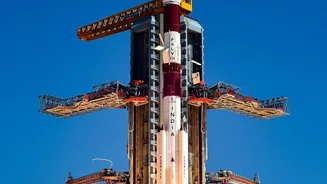
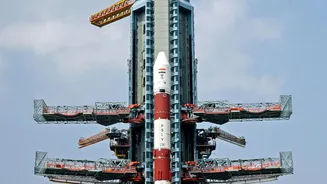
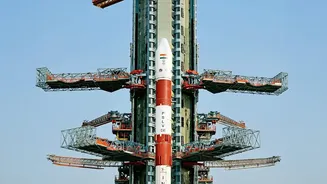
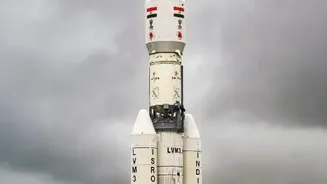
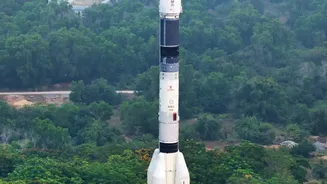
While direct application to NASA is limited to U.S. citizens, the dream of space is very much alive for Indian nationals. India's own space agency, the Indian Space Research Organisation (ISRO), is forging a parallel path with its ambitious Gaganyaan program. This mission aims to send a crew of three Indian astronauts, or 'Vyomanauts', into low Earth orbit for a mission lasting several days. The program, which has seen successful uncrewed tests, marks India's entry into the exclusive club of nations with human spaceflight capabilities. Success with Gaganyaan will pave the way for more advanced goals, including the 'Bharatiya Antariksh Station' (Indian Space Station) by 2035 and a crewed lunar mission by 2040. This creates a direct pathway for Indian citizens to travel to space under their own national flag, contributing to a global, albeit nationally driven, expansion of humanity's reach.