



Why Rust Happens and How to Prevent It
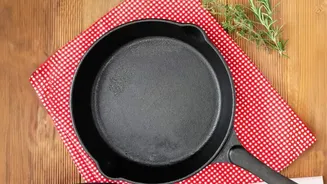
Rust is the natural enemy of cast iron, but it only has one cause: moisture. When iron is exposed to water and oxygen for too long, it oxidizes, creating rust. This can happen if you let your pan air dry, soak it in the sink, or store it in a damp place.
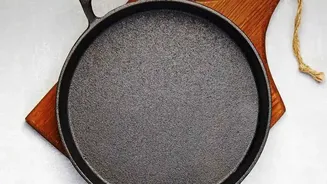
The absolute best defense is a good layer of seasoning—which is just oil baked onto the pan—and ensuring your pan is always bone dry before you put it away. A quick trip on a low-heat burner after towel-drying will evaporate any remaining moisture and go a long way in preventing rust from ever forming.
Tackling Light Surface Rust
Spotted a few minor rust specks? Don't panic. This is a quick fix. You can gently scrub the affected area with steel wool or a scouring pad. For a food-safe abrasive, a paste of baking soda and water works wonders; apply it, scrub, and rinse. Another popular method involves sprinkling coarse salt into the pan and using a cut potato half to scrub the rust away. Once the rust is gone, wash the pan, dry it completely, and apply a very thin layer of cooking oil to begin re-establishing the protective seasoning.
Restoring a Heavily Rusted Pan
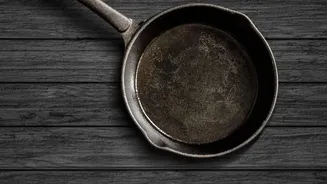
If you've found a forgotten, heavily rusted pan at a thrift store or in the back of a cupboard, it is still salvageable. For widespread rust, a vinegar soak is highly effective. Submerge the pan in a 50/50 solution of white vinegar and water for about an hour. The acid will help dissolve the rust, but don't leave it for too long, as it can damage the iron itself. After soaking, scrub away the loosened rust with steel wool or a wire brush. This process will strip the pan down to the bare iron, so once it's clean and thoroughly dry, it will need to be completely re-seasoned.
The Crucial Step: Re-Seasoning Your Pan
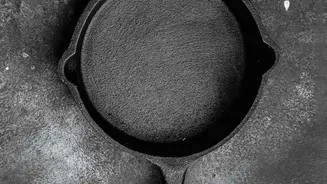
After any rust removal, re-seasoning is mandatory to protect the pan. Seasoning is the process of baking oil onto the cast iron, which creates a natural, non-stick, rust-proof layer. To do this, apply a very thin layer of a neutral oil (like vegetable or grapeseed oil) over the entire pan—inside and out. Use a paper towel to wipe off any excess until it no longer looks greasy. Place the pan upside down on the middle rack of your oven, with a sheet of foil on the bottom rack to catch any drips. Bake it at a high temperature, around 230-260°C, for about an hour. Let it cool, and your pan will have a fresh layer of protection.
Smart Storage for a Long, Rust-Free Life
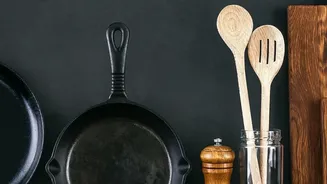
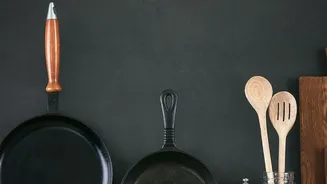
How you store your cast iron is just as important as how you clean it. The goal is to keep it in a cool, dry, well-ventilated place. Never store it with the lid on, as this can trap moisture and cause rust or musty odours. If you need to stack your pans, place a paper towel between each one to absorb any potential humidity and prevent scratches. Hanging pans on a wall or using a dedicated storage rack are also great options that ensure good air circulation. Some people even store their most-used skillet right on the stovetop or inside the oven.