



A Taste of Home for the Cosmos
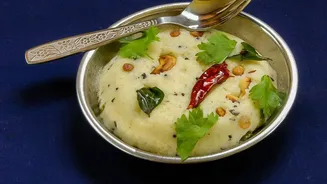
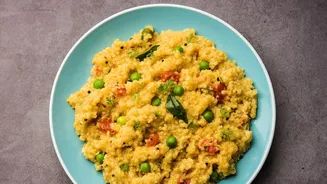
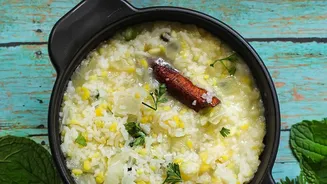
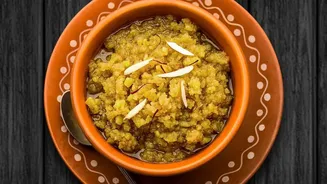
When planning for long-duration space missions, nutrition is paramount, but so is morale. For Indian astronauts, having familiar food is a crucial psychological link to home. Khichdi, a simple, wholesome, and widely loved dish, was an obvious candidate.
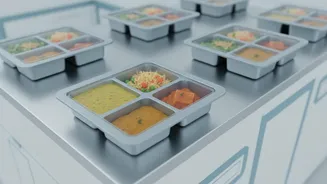
It is nutritionally balanced, easy to digest, and provides the kind of comforting meal an astronaut might crave while millions of miles from Earth. The Defence Food Research Laboratory (DFRL) in Mysuru, the institution responsible for creating menus for India's armed forces and its space missions, began the ambitious task of re-engineering this classic dish for the final frontier.
The Science of Space-Ready Khichdi
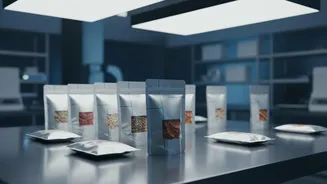
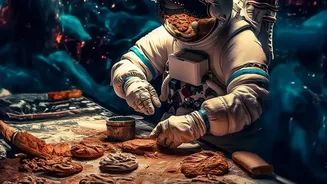
Making food for space is a rigorous scientific process. The meal must have a long shelf life without refrigeration, be safe from microbial contamination, and, most importantly, behave predictably in a microgravity environment. Crumbly foods are a major hazard, as floating particles can damage sensitive electronic equipment. Scientists at DFRL developed specially processed versions of khichdi and other Indian staples. These meals are often dehydrated or thermo-stabilised and packed in special retort pouches, ready to be reconstituted with water or heated by astronauts. The recipes are also modified to be low in spice and oil to suit the dietary needs of space travel.
The Final Hurdle: A Tight Timeline
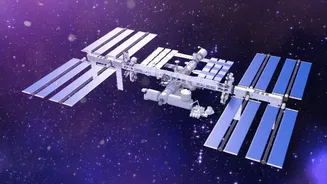
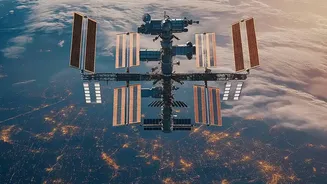
The specific menu in question was being prepared for astronaut Shubhanshu Shukla's mission to the International Space Station (ISS) in 2025, a precursor that provides valuable experience for the upcoming Gaganyaan mission. Getting a food item certified for spaceflight, especially on an international platform like the ISS, involves a battery of tests to meet stringent safety and stability standards. According to Shukla, while an extensive menu including khichdi, pulao, and various vegetable dishes was developed by DFRL, time was the biggest challenge. There was a final qualification window to get all tests completed, and the clock simply ran out for many of the dishes.
Why It Didn't Make the Cut
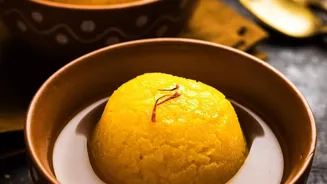
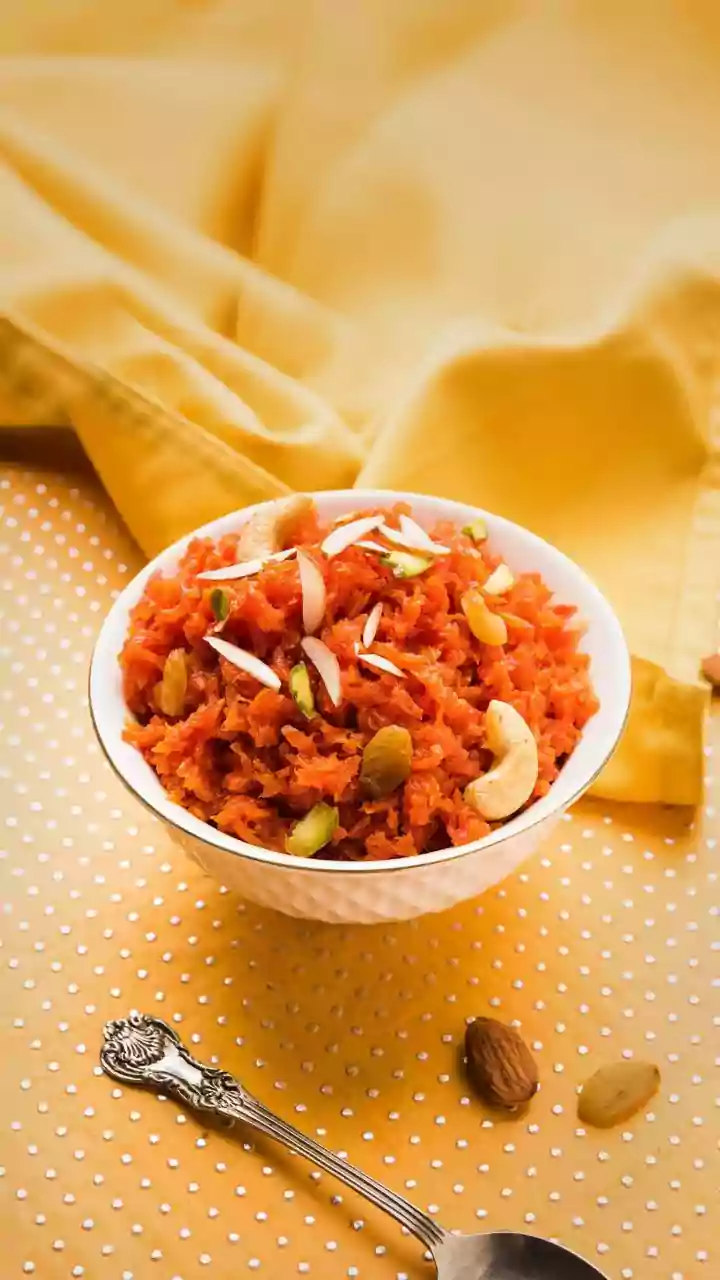
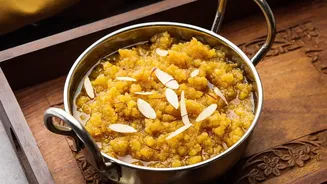
The primary reason khichdi and other savoury dishes missed their flight was a lack of time for all the necessary qualification tests. It wasn't a failure of the recipe itself, but a logistical hurdle in the complex process of space mission preparation. Every food item must be proven to be stable, safe, and compatible with the spacecraft's environment. With a fixed launch date, only the items that had successfully completed the entire gamut of tests could be included. In the end, just three Indian items made it: Gajar ka Halwa, Moong Dal Halwa, and Aamras (mango pulp). These sweets successfully cleared every checkpoint and were sent to the ISS.
A Sweet Success and a Hopeful Future
While khichdi remained Earth-bound, the three desserts that made it were a hit among the international crew. Astronaut Shubhanshu Shukla recounted how his crewmates from different countries enjoyed the taste of Indian sweets in orbit, a moment of cultural exchange in a unique setting. The experience gained from this process is invaluable. The work done by DFRL on khichdi and other dishes has not gone to waste. This research continues to be refined and will form the basis for the food menu for India's own Gaganyaan mission, ensuring that when Indian astronauts launch from Indian soil, they will have a richer and more diverse taste of home with them.